THE ADVENTURE COLLECTIVE® · Independent discovery and booking for outdoor travel

A slow, interpretive three-hour walk through Curi-Cancha Reserve that prioritizes close-up wildlife viewing and botany with professional optical equipment. Ideal for birders, photographers, and curious hikers who want an informed, intimate cloud-forest experience.
A slow, interpretive three-hour walk through Curi-Cancha Reserve that prioritizes close-up wildlife viewing and botany with professional optical equipment. Ideal for birders, photographers, and curious hikers who want an informed, intimate cloud-forest experience.
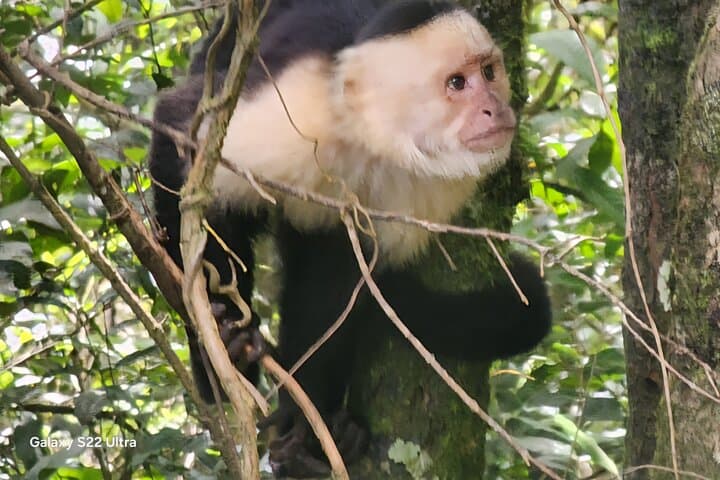
The trail begins under a low cloud; mist beads on moss and the canopy feels as if it leans in to watch. On the Curi-Cancha Reserve walk, guides slow the pace so the forest can speak—birdsong, leaf-fall, and the soft rattle of a distant monkey. Optical gear supplied by the guide pulls tiny feathered details and epiphyte gardens into sharp relief, turning the canopy into a living field guide.
Verified experiences and guided adventures in the surrounding area.
Operated by Spirits of green tours · Monteverde, Puntarenas
The trail begins under a low cloud; mist beads on moss and the canopy feels as if it leans in to watch. On the Curi-Cancha Reserve walk, guides slow the pace so the forest can speak—birdsong, leaf-fall, and the soft rattle of a distant monkey. Optical gear supplied by the guide pulls tiny feathered details and epiphyte gardens into sharp relief, turning the canopy into a living field guide.
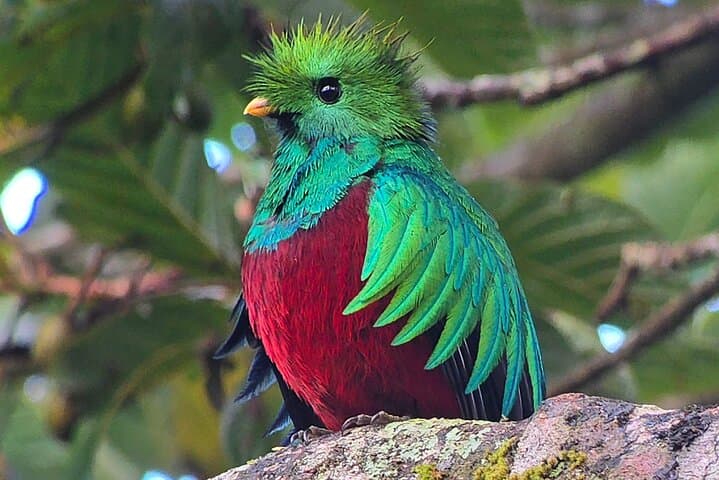
Geologically, Monteverde sits on uplifted volcanic soils that hold moisture and nourish epiphytes and cloud forest specialists. Culturally, the area grew around Quaker settlers and later conservation efforts that transformed former pasture into protected reserve. The result is a compact mosaic of trails where microclimates create pockets of rare orchids, bromeliads, and bird life like tanagers and resplendent quetzal in the right season.
Expect interpretive stops on adaptations—how bromeliads collect water, why moss carpets matter for local hydrology, and how the forest responds to shifting rainfall. The guide will point out mammal sign, explain bird calls, and show how elevation and wind shape species distributions.
Practical guidance: wear grippy hiking shoes for mixed dirt and root-strewn paths, bring a light rain shell and a refillable water bottle, and plan for three hours including slow, observational stops. Morning hours are best for bird activity; bring binoculars if you prefer your own optics though the guide’s lenses are high quality.
This tour suits photographers, curious families, and anyone ready to trade speed for attentive exploration of one of Costa Rica’s most dynamic cloud forests.
moderate.
3 hours.
Suitable for people with moderate fitness—able to walk uneven paths at a slow observational pace for several hours.
The tour lasts about three hours and includes interpretive stops; plan on the same time for arrival and departure at the reception area.
Yes—strollers are possible on some sections, but infants must sit on a lap; a moderate fitness level is recommended for older children.
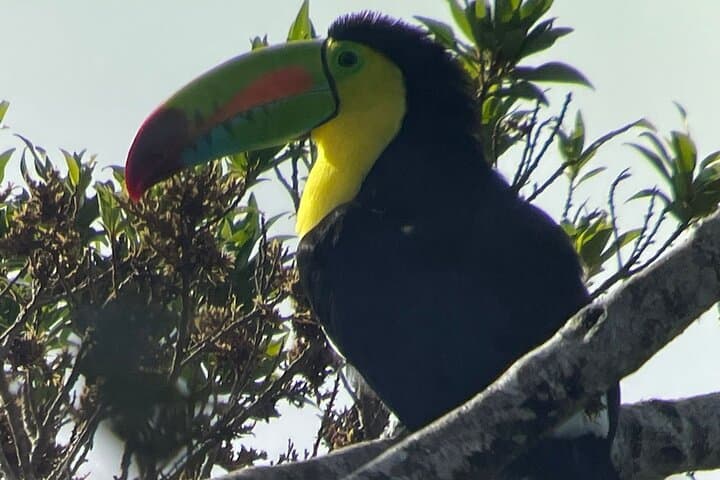
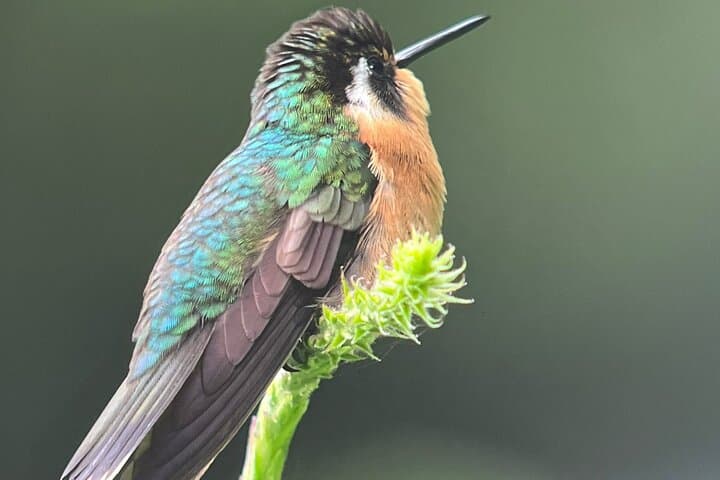
Expect hummingbirds, tanagers, and other montane birds; monkey and three-toed sloth sightings are possible but never guaranteed.
No—you can use the guide’s professional optical equipment, though many visitors bring personal binoculars for convenience.
The Monteverde region shifted from cattle pasture to conservation-minded reserves in the 1970s and 1980s, driven by local settlers and international researchers.
Curi-Cancha is privately protected and emphasizes low-impact visitation; stick to trails and avoid flash photography of nesting birds to minimize disturbance.
Spirits of green tours operates guided outdoor trips and adventures with an emphasis on safety, stewardship, and memorable experiences.
The trail begins under a low cloud; mist beads on moss and the canopy feels as if it leans in to watch. On the Curi-Cancha Reserve walk, guides slow the pace so the forest can speak—birdsong, leaf-fall, and the soft rattle of a distant monkey. Optical gear supplied by the guide pulls tiny feathered details and epiphyte gardens into sharp relief, turning the canopy into a living field guide.
The trail begins under a low cloud; mist beads on moss and the canopy feels as if it leans in to watch. On the Curi-Cancha Reserve walk, guides slow the pace so the forest can speak—birdsong, leaf-fall, and the soft rattle of a distant monkey. Optical gear supplied by the guide pulls tiny feathered details and epiphyte gardens into sharp relief, turning the canopy into a living field guide.
Geologically, Monteverde sits on uplifted volcanic soils that hold moisture and nourish epiphytes and cloud forest specialists. Culturally, the area grew around Quaker settlers and later conservation efforts that transformed former pasture into protected reserve. The result is a compact mosaic of trails where microclimates create pockets of rare orchids, bromeliads, and bird life like tanagers and resplendent quetzal in the right season.
Expect interpretive stops on adaptations—how bromeliads collect water, why moss carpets matter for local hydrology, and how the forest responds to shifting rainfall. The guide will point out mammal sign, explain bird calls, and show how elevation and wind shape species distributions.
Practical guidance: wear grippy hiking shoes for mixed dirt and root-strewn paths, bring a light rain shell and a refillable water bottle, and plan for three hours including slow, observational stops. Morning hours are best for bird activity; bring binoculars if you prefer your own optics though the guide’s lenses are high quality.
This tour suits photographers, curious families, and anyone ready to trade speed for attentive exploration of one of Costa Rica’s most dynamic cloud forests.