THE ADVENTURE COLLECTIVE® · Independent discovery and booking for outdoor travel

Walk old-growth and recovering cloud forest on a guided 3-hour tour through Curi-Cancha, a 205-acre wildlife refuge near Monteverde. Expect excellent birdwatching—quetzals, trogons, and bellbirds—plus a chance to see monkeys and sloths along quiet, mossed trails.
Walk old-growth and recovering cloud forest on a guided 3-hour tour through Curi-Cancha, a 205-acre wildlife refuge near Monteverde. Expect excellent birdwatching—quetzals, trogons, and bellbirds—plus a chance to see monkeys and sloths along quiet, mossed trails.
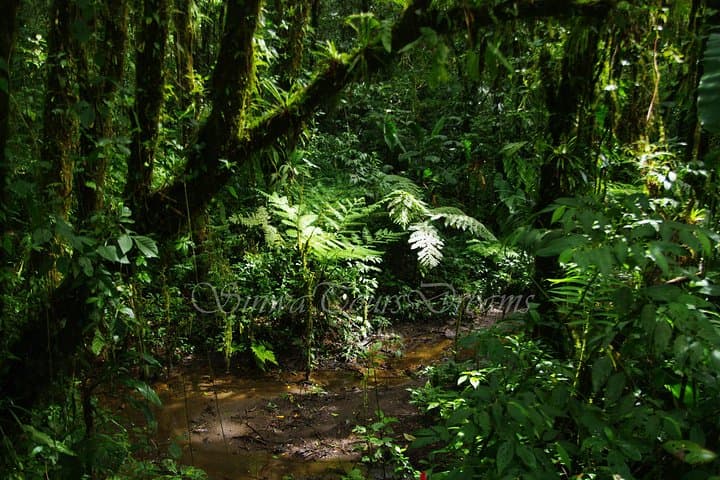
Mist and thin sunlight thread through tall oaks as you step off the lane and onto the reserve’s packed-earth trails. The cloud forest here breathes slow and cool; moss slides down trunks and bromeliads cup tiny pools. Birdsong cuts the hush—bright flashes of motmot and the occasional bell-like call of a passerine—while the guide’s silhouette moves ahead, pointing out a wayward agouti or a curled sloth.
Verified experiences and guided adventures in the surrounding area.
Operated by Sinwa Tours Operador Turístico S.A · Monteverde, Puntarenas
Mist and thin sunlight thread through tall oaks as you step off the lane and onto the reserve’s packed-earth trails. The cloud forest here breathes slow and cool; moss slides down trunks and bromeliads cup tiny pools. Birdsong cuts the hush—bright flashes of motmot and the occasional bell-like call of a passerine—while the guide’s silhouette moves ahead, pointing out a wayward agouti or a curled sloth.
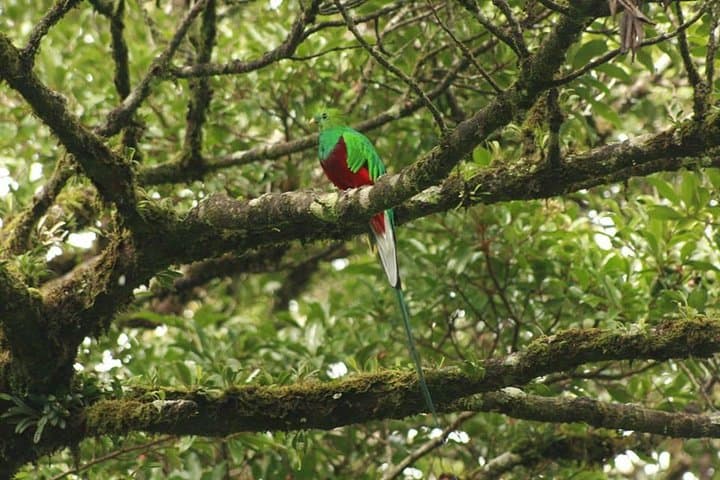
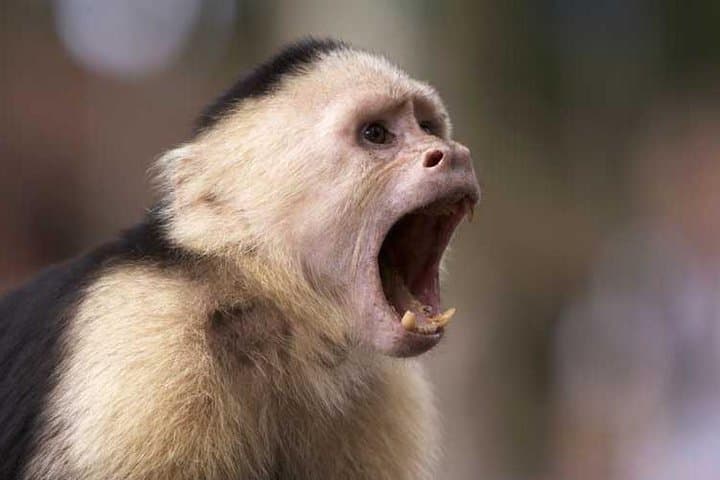
Curi-Cancha began as family land in 1970 when the Lowthers bought the Mendenhall property. Over decades pasture reverted to forest and, in 1997, the site gained legal protection as a wildlife refuge. The reserve spans about 83 hectares (205 acres) at 1,450–1,615 meters elevation, with roughly half primary forest and the rest recovering woodlands and pasture. Seven kilometers of trails wind through premontane humid and montane forest, a corridor for species like the resplendent quetzal, three-wattled bellbird, and canopy mammals such as howler and white-faced capuchin monkeys.
On a guided 3-hour walk expect moist, uneven trails, frequent birdwatching stops, and interpretive notes about reforestation and cloud forest ecology. Morning visits increase your chance of seeing the quetzal and trogons; afternoons favor mammals moving between feeding sites.
Practical notes: wear sturdy, water-resistant hiking shoes and layered clothes—temperatures can drop quickly. Bring binoculars, a rain jacket, and insect repellent. Stay on marked trails, keep noise low for better wildlife encounters, and carry water (bottled water is provided on tours). Hotel pickup may be available when booked; groups are small, so book ahead during high season.
easy.
3 hours.
Suitable for most fitness levels; expect gentle to moderate walking on uneven, sometimes muddy trails.
The guided experience is approximately 3 hours on marked trails totaling several kilometers; pace is relaxed with frequent stops for wildlife viewing.
Common sightings include resplendent quetzal, three-wattled bellbird, motmots, howler monkeys, white-faced capuchins, two-toed sloths, and various small mammals like agoutis.
Yes—trails are rated easy and the tour is suitable for most ages and fitness levels, though some sections are uneven and may be muddy after rain.
Yes; a professional local guide and bottled water are included in the booking; hotel pickup is available if selected at booking.
Originally part of the Mendenhall property, the Lowther family protected and restored pasture into forest; it became a legally designated wildlife refuge in 1997.
Curi-Cancha emphasizes reforestation and low-impact tourism—visitors are asked to stay on trails, avoid feeding wildlife, and follow guide instructions to minimize disturbance.
Sinwa Tours Operador Turístico S.A operates guided outdoor trips and adventures with an emphasis on safety, stewardship, and memorable experiences.

Mist and thin sunlight thread through tall oaks as you step off the lane and onto the reserve’s packed-earth trails. The cloud forest here breathes slow and cool; moss slides down trunks and bromeliads cup tiny pools. Birdsong cuts the hush—bright flashes of motmot and the occasional bell-like call of a passerine—while the guide’s silhouette moves ahead, pointing out a wayward agouti or a curled sloth.
Mist and thin sunlight thread through tall oaks as you step off the lane and onto the reserve’s packed-earth trails. The cloud forest here breathes slow and cool; moss slides down trunks and bromeliads cup tiny pools. Birdsong cuts the hush—bright flashes of motmot and the occasional bell-like call of a passerine—while the guide’s silhouette moves ahead, pointing out a wayward agouti or a curled sloth.
Curi-Cancha began as family land in 1970 when the Lowthers bought the Mendenhall property. Over decades pasture reverted to forest and, in 1997, the site gained legal protection as a wildlife refuge. The reserve spans about 83 hectares (205 acres) at 1,450–1,615 meters elevation, with roughly half primary forest and the rest recovering woodlands and pasture. Seven kilometers of trails wind through premontane humid and montane forest, a corridor for species like the resplendent quetzal, three-wattled bellbird, and canopy mammals such as howler and white-faced capuchin monkeys.
On a guided 3-hour walk expect moist, uneven trails, frequent birdwatching stops, and interpretive notes about reforestation and cloud forest ecology. Morning visits increase your chance of seeing the quetzal and trogons; afternoons favor mammals moving between feeding sites.
Practical notes: wear sturdy, water-resistant hiking shoes and layered clothes—temperatures can drop quickly. Bring binoculars, a rain jacket, and insect repellent. Stay on marked trails, keep noise low for better wildlife encounters, and carry water (bottled water is provided on tours). Hotel pickup may be available when booked; groups are small, so book ahead during high season.