THE ADVENTURE COLLECTIVE® · Independent discovery and booking for outdoor travel

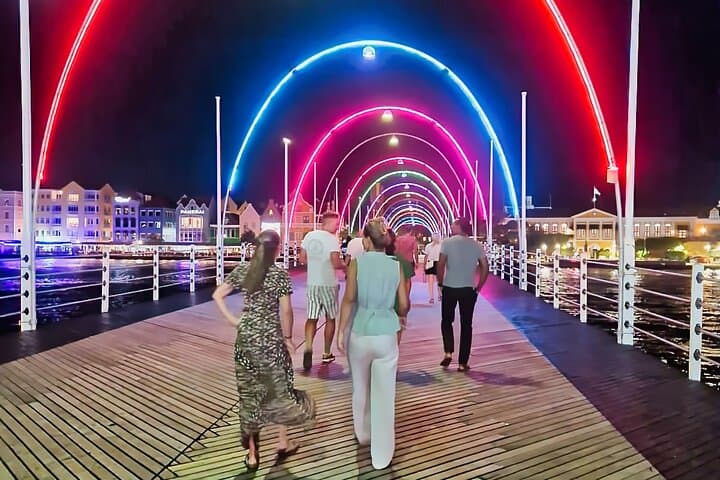
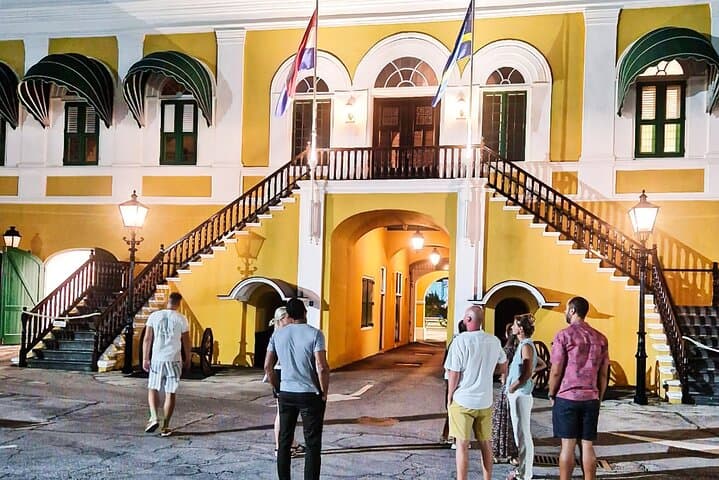
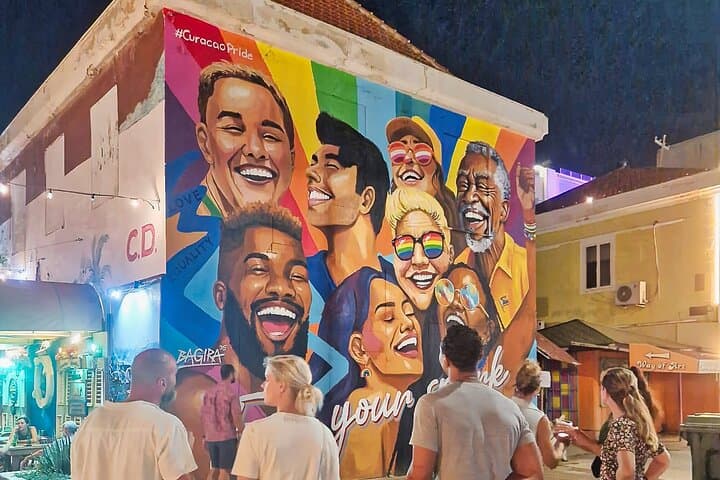
Head out after dark for a two-hour guided walk through Willemstad’s lit-up streets, colonial forts and vivid murals. Learn local legends at the Queen Emma Bridge, Fort Amsterdam and the oldest synagogue in the Americas before finishing with optional craft beers.
Head out after dark for a two-hour guided walk through Willemstad’s lit-up streets, colonial forts and vivid murals. Learn local legends at the Queen Emma Bridge, Fort Amsterdam and the oldest synagogue in the Americas before finishing with optional craft beers.
When twilight slides over St. Anna Bay, Willemstad shifts gears—streetlamps pry shadows from cobblestones and the water begins to mirror the city’s colors. Start at Rif Fort where the fort’s stone face holds the first whispers of the evening: tales of colonial skirmishes and the ghosts tourists love to ask about. The guide leads you across the swinging pontoon bridge, down Handelskade, and into alleys where murals and lamplit plazas keep company.
Verified experiences and guided adventures in the surrounding area.
Operated by Sunny Ride Curacao · Willemstad, Curaçao
When twilight slides over St. Anna Bay, Willemstad shifts gears—streetlamps pry shadows from cobblestones and the water begins to mirror the city’s colors. Start at Rif Fort where the fort’s stone face holds the first whispers of the evening: tales of colonial skirmishes and the ghosts tourists love to ask about. The guide leads you across the swinging pontoon bridge, down Handelskade, and into alleys where murals and lamplit plazas keep company.
The island’s story is readable in its architecture and geology: low limestone underpins the city, scarred by salt and shaped by centuries of trade under Dutch rule. Fort Amsterdam, the Queen Emma Bridge and the sand-floored Mikvé Israel-Emanuel synagogue are chapters in a compact history—trade, migration, faith and the darker commerce of slavery—each with legends passed into local lore.
Culturally the evening tour highlights Curaçao’s blended identity: Papiamentu phrases drift from doorways, Afro-Caribbean rhythms pulse at street level, and recent murals answer old stories with new voices. The harbor lights dare you to linger and photograph the reflected façades.
Practical notes: the route covers mostly paved and cobbled streets over roughly 1.5–2 km and takes about two hours. Wear sturdy, flat shoes for uneven surfaces and bring a light layer—sea breezes pick up after sunset. Carry a small light or use your phone for steps and archways. If you plan to taste local beer at the final stop, bring ID; cash or card works at most spots. Tours are best early in the evening for cooler air and fuller illumination—arrive 10–15 minutes early to meet the guide and catch the first stories.
easy.
2 hours.
Suitable for most fitness levels; requires standing and walking up to 2 km on uneven pavement.
Most tours meet at Rif Fort in Otrobanda and end at the Swinging Old Lady Brewery near the waterfront, where guests can stay longer if they wish.
The route includes cobblestones, steps and narrow sidewalks; it’s not suitable for guests with significant mobility limitations.
Guides commonly speak English and Papiamentu; confirm language availability when booking if you require a specific language.
The walking tour is family-friendly, but alcohol tastings at the brewery require guests to be at least 18 years old.
Willemstad grew as a Dutch colonial port built on coral-limestone foundations; Fort Amsterdam and the Queen Emma Pontoon Bridge reflect centuries of trade and strategic importance, while the Mikvé Israel-Emanuel synagogue (1732) marks the island’s diverse heritage.
Respect painted murals and historic façades—avoid touching and use designated paths; support local guides and small businesses to help sustain cultural tourism.
Sunny Ride Curacao operates guided outdoor trips and adventures with an emphasis on safety, stewardship, and memorable experiences.

When twilight slides over St. Anna Bay, Willemstad shifts gears—streetlamps pry shadows from cobblestones and the water begins to mirror the city’s colors. Start at Rif Fort where the fort’s stone face holds the first whispers of the evening: tales of colonial skirmishes and the ghosts tourists love to ask about. The guide leads you across the swinging pontoon bridge, down Handelskade, and into alleys where murals and lamplit plazas keep company.
When twilight slides over St. Anna Bay, Willemstad shifts gears—streetlamps pry shadows from cobblestones and the water begins to mirror the city’s colors. Start at Rif Fort where the fort’s stone face holds the first whispers of the evening: tales of colonial skirmishes and the ghosts tourists love to ask about. The guide leads you across the swinging pontoon bridge, down Handelskade, and into alleys where murals and lamplit plazas keep company.
The island’s story is readable in its architecture and geology: low limestone underpins the city, scarred by salt and shaped by centuries of trade under Dutch rule. Fort Amsterdam, the Queen Emma Bridge and the sand-floored Mikvé Israel-Emanuel synagogue are chapters in a compact history—trade, migration, faith and the darker commerce of slavery—each with legends passed into local lore.
Culturally the evening tour highlights Curaçao’s blended identity: Papiamentu phrases drift from doorways, Afro-Caribbean rhythms pulse at street level, and recent murals answer old stories with new voices. The harbor lights dare you to linger and photograph the reflected façades.
Practical notes: the route covers mostly paved and cobbled streets over roughly 1.5–2 km and takes about two hours. Wear sturdy, flat shoes for uneven surfaces and bring a light layer—sea breezes pick up after sunset. Carry a small light or use your phone for steps and archways. If you plan to taste local beer at the final stop, bring ID; cash or card works at most spots. Tours are best early in the evening for cooler air and fuller illumination—arrive 10–15 minutes early to meet the guide and catch the first stories.