THE ADVENTURE COLLECTIVE® · Independent discovery and booking for outdoor travel

Explore Durban like a local: navigate bustling markets by foot and combi, sample Bunny Chow, and learn the city’s cultural layers with a born-and-bred guide. This five- to six-hour tour blends history, flavor and practical city travel tips.
Explore Durban like a local: navigate bustling markets by foot and combi, sample Bunny Chow, and learn the city’s cultural layers with a born-and-bred guide. This five- to six-hour tour blends history, flavor and practical city travel tips.
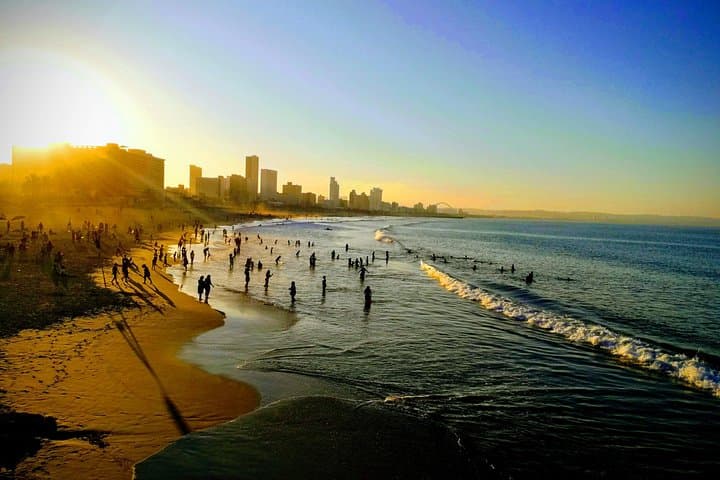
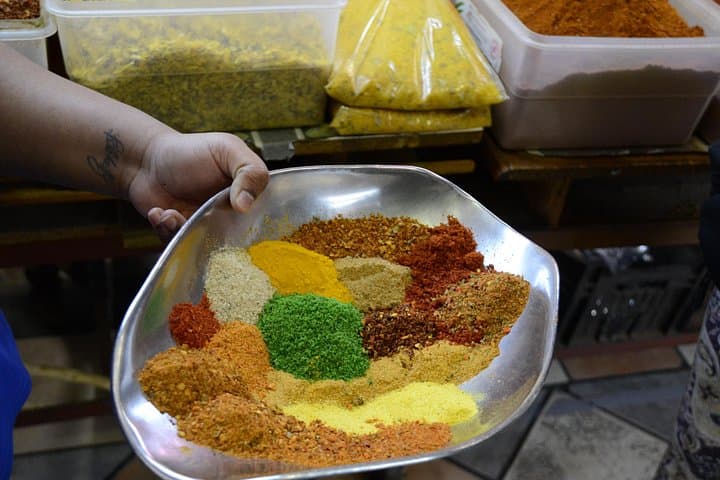
You step off a rattling combi into a corridor of sound: vendors calling, spices opening like shutters, the Indian Ocean pressing a steady blue rim on the horizon. The morning light catches on sacks of turmeric and dried fish as your guide, a born-and-bred Durbanite, leads you through Victoria Street’s layered markets and the smaller bridge and early-morning markets where bargaining is part rhythm, part ritual.
Verified experiences and guided adventures in the surrounding area.
Operated by Spot on Safaris and Tours · Durban, KwaZulu-Natal
You step off a rattling combi into a corridor of sound: vendors calling, spices opening like shutters, the Indian Ocean pressing a steady blue rim on the horizon. The morning light catches on sacks of turmeric and dried fish as your guide, a born-and-bred Durbanite, leads you through Victoria Street’s layered markets and the smaller bridge and early-morning markets where bargaining is part rhythm, part ritual.
Durban grew as a port where Zulu, Indian, African and European influences met; the markets still carry that history in language, food stalls and medicinal herb sellers. Geologically the coast is young—sandy beaches and dunes front an uplifted coastal plain—while the urban grid reflects colonial planning and post‑apartheid reinvention. Expect to feel the city’s pulse in commerce and conversation rather than in quiet landscapes.
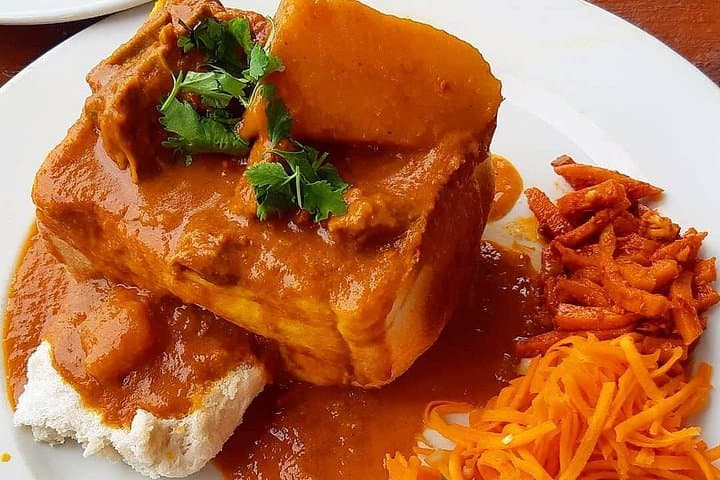
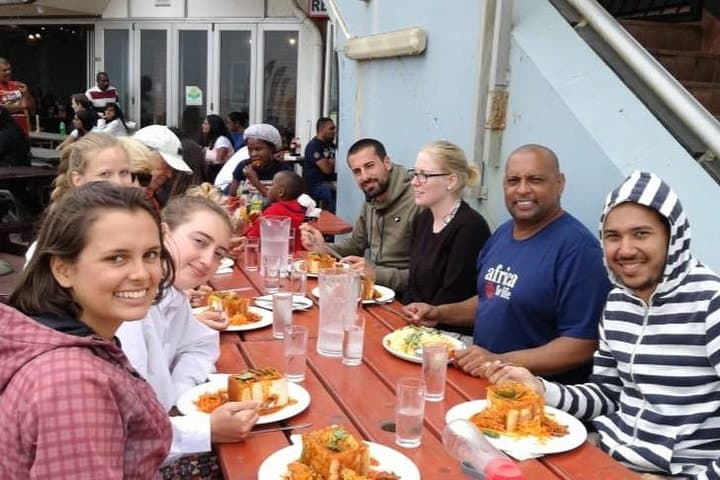
Practically, this is a walking-and-local-transport tour that blends on-foot exploration with combi rides between neighborhoods. Plan for roughly 5–6 hours; much of the time is on uneven sidewalks, market alleys and a stretch of beachfront. Bring cash for small purchases, a reusable water bottle, and lightweight footwear that can handle sand and cobbles. Lunchtime centers on Durban’s signature Bunny Chow—comfort food that illustrates cultural fusion.
Timing matters: mornings are cooler and markets busiest, afternoons offer a beachside wind and a slower tempo. Safety is straightforward urban common sense—keep valuables secure, follow your guide’s route, and respect vendor space. By day’s end you’ll have shopped, eaten, ridden a combi and seen Durban as locals do: loud, practical and generous with stories.
moderate.
5–6 hours.
Moderate fitness for several hours of walking, standing in markets and climbing in/out of minibuses.
The tour runs about 5–6 hours and involves several hours of walking through markets and city streets, plus short combi rides between neighborhoods.
Yes—lunch is included and typically features Durban’s Bunny Chow, a hollowed loaf filled with curry that reflects the city’s culinary mix.
Markets have uneven surfaces and can be crowded; travelers with mobility concerns should contact the operator in advance to discuss route options.
Guides typically speak English and are familiar with local languages and cultural contexts; they’ll facilitate interactions with vendors as needed.
Durban’s growth as a major port brought Indian indentured laborers in the 19th century, shaping the city’s cuisine and markets; Victoria Street Market remains a living legacy of that exchange.
Markets produce waste and high foot traffic—bring reusable bags and avoid single-use plastics; support vendors who source sustainably.
Spot on Safaris and Tours operates guided outdoor trips and adventures with an emphasis on safety, stewardship, and memorable experiences.
You step off a rattling combi into a corridor of sound: vendors calling, spices opening like shutters, the Indian Ocean pressing a steady blue rim on the horizon. The morning light catches on sacks of turmeric and dried fish as your guide, a born-and-bred Durbanite, leads you through Victoria Street’s layered markets and the smaller bridge and early-morning markets where bargaining is part rhythm, part ritual.
You step off a rattling combi into a corridor of sound: vendors calling, spices opening like shutters, the Indian Ocean pressing a steady blue rim on the horizon. The morning light catches on sacks of turmeric and dried fish as your guide, a born-and-bred Durbanite, leads you through Victoria Street’s layered markets and the smaller bridge and early-morning markets where bargaining is part rhythm, part ritual.
Durban grew as a port where Zulu, Indian, African and European influences met; the markets still carry that history in language, food stalls and medicinal herb sellers. Geologically the coast is young—sandy beaches and dunes front an uplifted coastal plain—while the urban grid reflects colonial planning and post‑apartheid reinvention. Expect to feel the city’s pulse in commerce and conversation rather than in quiet landscapes.
Practically, this is a walking-and-local-transport tour that blends on-foot exploration with combi rides between neighborhoods. Plan for roughly 5–6 hours; much of the time is on uneven sidewalks, market alleys and a stretch of beachfront. Bring cash for small purchases, a reusable water bottle, and lightweight footwear that can handle sand and cobbles. Lunchtime centers on Durban’s signature Bunny Chow—comfort food that illustrates cultural fusion.
Timing matters: mornings are cooler and markets busiest, afternoons offer a beachside wind and a slower tempo. Safety is straightforward urban common sense—keep valuables secure, follow your guide’s route, and respect vendor space. By day’s end you’ll have shopped, eaten, ridden a combi and seen Durban as locals do: loud, practical and generous with stories.