THE ADVENTURE COLLECTIVE® · Independent discovery and booking for outdoor travel

Experience a hands-on look at East African art at the Cultural Heritage Centre in Arusha. This practical visitor guide explains what to expect, how to plan your visit, and how purchases support local artists.
Experience a hands-on look at East African art at the Cultural Heritage Centre in Arusha. This practical visitor guide explains what to expect, how to plan your visit, and how purchases support local artists.
You step out of the vehicle and the compound reads like a sculpted statement: a building scaled to echo Uhuru Peak, shield and spear motifs framing the entrance, drums waiting to announce a story.
Verified experiences and guided adventures in the surrounding area.
Operated by Travel Africa Safari Agency · Arusha, Arusha Region
You step out of the vehicle and the compound reads like a sculpted statement: a building scaled to echo Uhuru Peak, shield and spear motifs framing the entrance, drums waiting to announce a story.
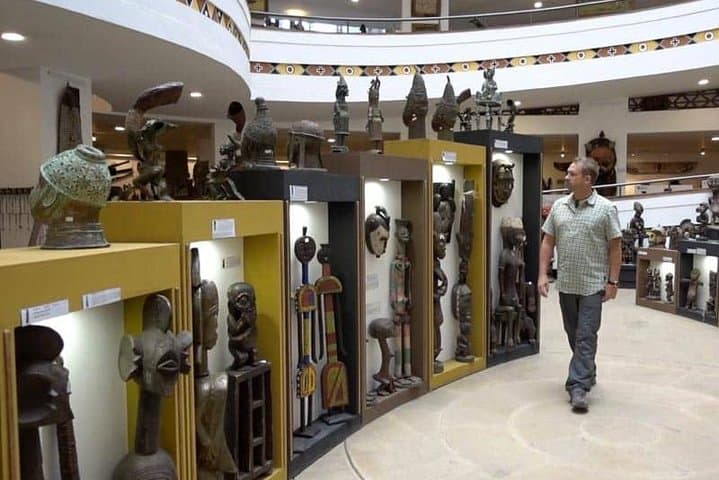
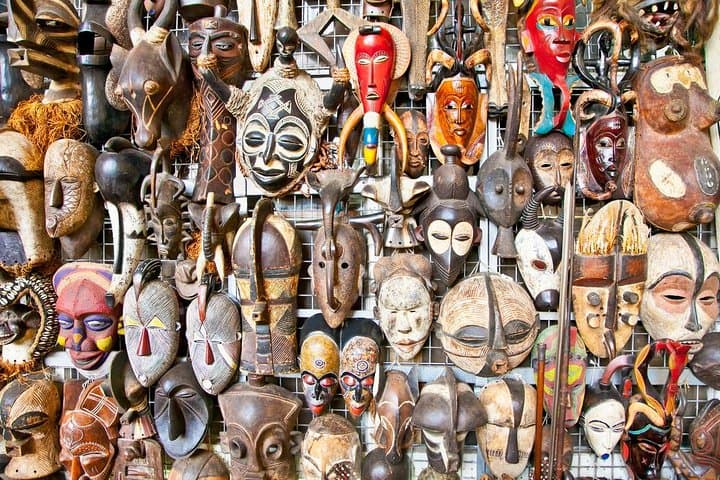
Opened in 1994, the Cultural Heritage Centre grew from one family’s commitment to keep African craft alive. Inside, rooms collect Verdite stone carvings, ceremonial masks and large-scale paintings; the gallery wing showcases contemporary artists from northern Tanzania. A single 18-foot family tree carving—two decades in the making—pulls focus, its grain and figures conveying local lineage and technique.
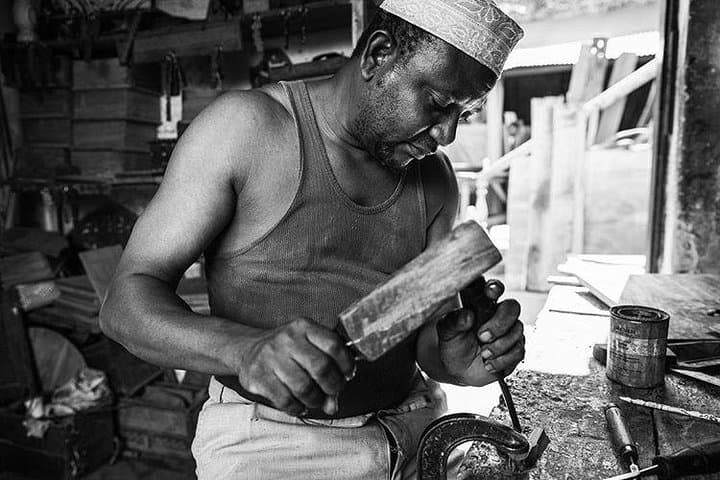
Geology and craft meet here: Verdite, a green metamorphic rock, links the sculptures to East Africa’s mineral past, while timber carvings reflect highland tree species and age-old methods. The centre’s cultural role is practical as much as aesthetic—sales support studios and artist training, and guides explain symbolism used by Maasai, Meru and Chagga makers.
Practical guidance: the full experience runs about 6½ hours including pickup and transport from Kilimanjaro International Airport or central Arusha. Wheelchair access and multilingual guides (English, Spanish, French) are offered; mobile tickets accepted. Bring local cash for smaller purchases, a phone for photos, and expect polite bargaining for workshop pieces. Allow time to speak with artists—the best insights come from their hands and stories.
Plan visits in the morning to avoid midday heat, allocate comfortable walking shoes, and treat purchases as conservation: buying directly sustains studios and keeps local techniques in practice.
easy.
6–7 hours.
Suitable for most fitness levels; involves walking on flat surfaces and short steps.
The full experience including pickup and transport is about 6½ hours (390 minutes); time at the gallery is roughly 3–4 hours depending on interest.
Yes—both the compound and the provided transportation options are described as wheelchair accessible.
Guides are available in English, Spanish and French as part of the included services.
Yes—gallery and workshop pieces are for sale; smaller works and prints are often cash-only, while larger pieces may take cards or bank transfer.
Founded in 1994 by the Khanbhai family, the centre was created to preserve and promote East African crafts and provide a marketplace for local artists.
Purchases support local studios and training programs; visitors are encouraged to buy directly from artists to ensure income reaches creators and to avoid illicit artifact trade.
Travel Africa Safari Agency operates guided outdoor trips and adventures with an emphasis on safety, stewardship, and memorable experiences.
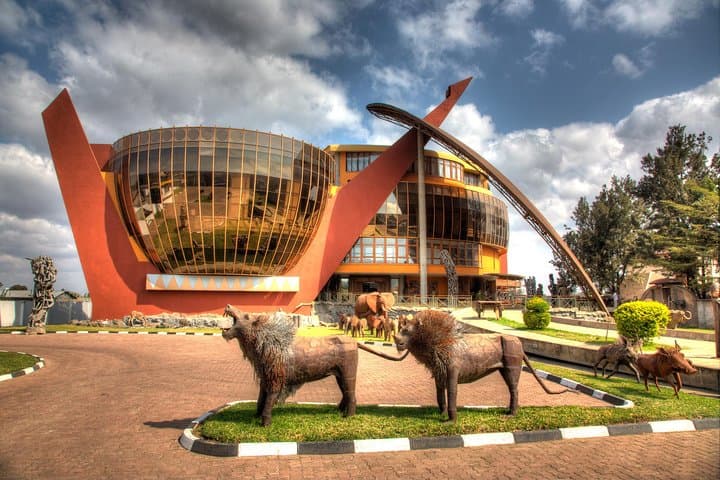
You step out of the vehicle and the compound reads like a sculpted statement: a building scaled to echo Uhuru Peak, shield and spear motifs framing the entrance, drums waiting to announce a story.
You step out of the vehicle and the compound reads like a sculpted statement: a building scaled to echo Uhuru Peak, shield and spear motifs framing the entrance, drums waiting to announce a story.
Opened in 1994, the Cultural Heritage Centre grew from one family’s commitment to keep African craft alive. Inside, rooms collect Verdite stone carvings, ceremonial masks and large-scale paintings; the gallery wing showcases contemporary artists from northern Tanzania. A single 18-foot family tree carving—two decades in the making—pulls focus, its grain and figures conveying local lineage and technique.
Geology and craft meet here: Verdite, a green metamorphic rock, links the sculptures to East Africa’s mineral past, while timber carvings reflect highland tree species and age-old methods. The centre’s cultural role is practical as much as aesthetic—sales support studios and artist training, and guides explain symbolism used by Maasai, Meru and Chagga makers.
Practical guidance: the full experience runs about 6½ hours including pickup and transport from Kilimanjaro International Airport or central Arusha. Wheelchair access and multilingual guides (English, Spanish, French) are offered; mobile tickets accepted. Bring local cash for smaller purchases, a phone for photos, and expect polite bargaining for workshop pieces. Allow time to speak with artists—the best insights come from their hands and stories.
Plan visits in the morning to avoid midday heat, allocate comfortable walking shoes, and treat purchases as conservation: buying directly sustains studios and keeps local techniques in practice.