THE ADVENTURE COLLECTIVE® · Independent discovery and booking for outdoor travel

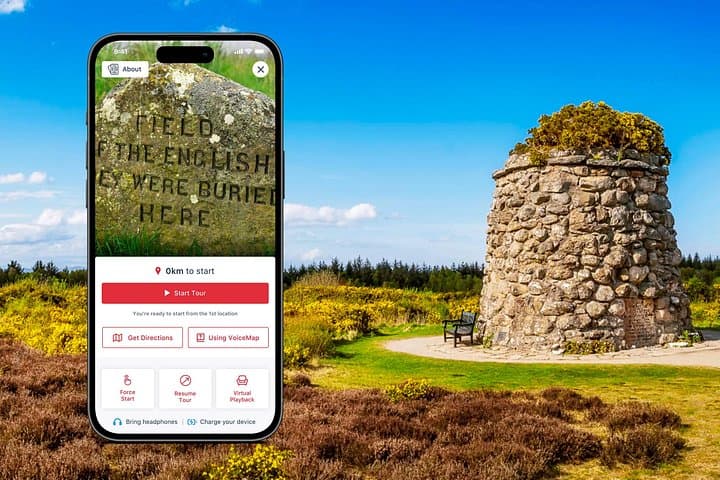
Walk the ground where the Jacobites met their fate with a GPS-enabled audio guide that brings Culloden Moor’s stories and landscape to life. This self-guided tour combines on-site narration with offline maps for a focused 60–90 minute history experience.
Walk the ground where the Jacobites met their fate with a GPS-enabled audio guide that brings Culloden Moor’s stories and landscape to life. This self-guided tour combines on-site narration with offline maps for a focused 60–90 minute history experience.
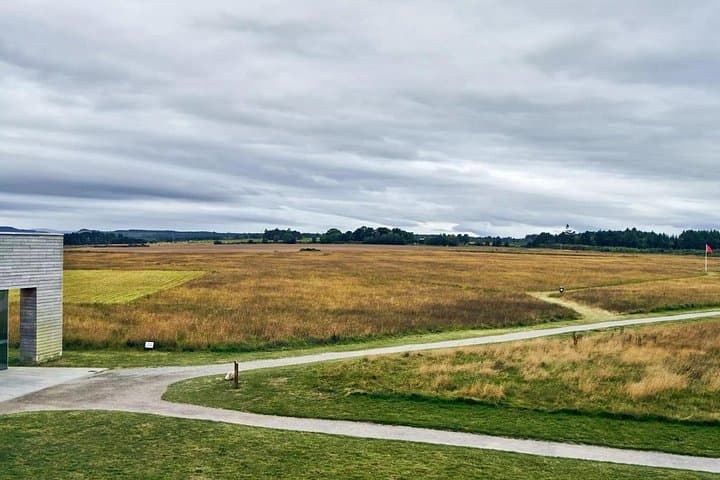
Standing on the flat, wind-scoured expanse of Culloden Moor, the past presses close: boots on peat, a low horizon, and the wind that once carried drum and musket smoke now pushing grass in steady waves. This self-guided audio walk places you where the last pitched battle on British soil unfolded in April 1746, guiding you between the Memorial Cairn, the row of Clan Stones and the terrain that shaped tactics and fate.
Verified experiences and guided adventures in the surrounding area.
Operated by VoiceMap Audio Tours · Inverness, Highland
Standing on the flat, wind-scoured expanse of Culloden Moor, the past presses close: boots on peat, a low horizon, and the wind that once carried drum and musket smoke now pushing grass in steady waves. This self-guided audio walk places you where the last pitched battle on British soil unfolded in April 1746, guiding you between the Memorial Cairn, the row of Clan Stones and the terrain that shaped tactics and fate.
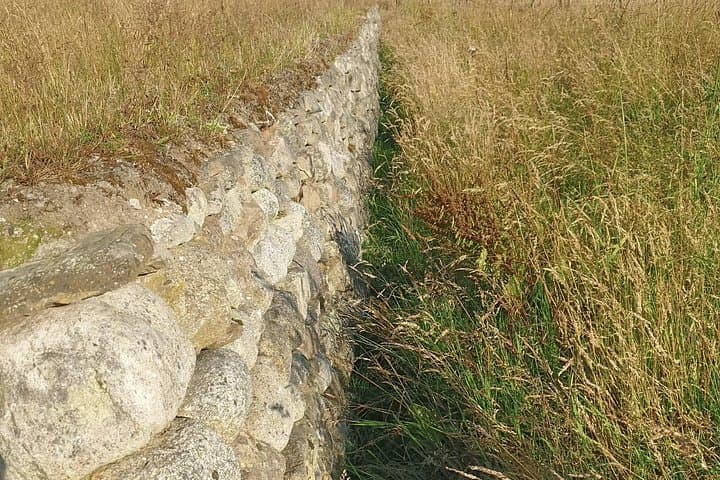
Geology here is simple but telling — shallow peat over clay, with patches of sodden bog that funneled movement and made parts of the field treacherous. Culturally, Culloden marks a turning point for the Highlands: the defeat of Bonnie Prince Charlie’s Jacobite army led to laws that changed clan life, language, and land use. The moor still holds scars — trench-like hollows and names carved into stone — and stories, some mythic, some brutal, that the audio tour separates and explains.
Practically, the tour runs 60–90 minutes and lets you stop at the Clan Stones, stand at the cairn and examine the ground where cavalry charged. The GPS-enabled audio works offline, so a charged phone and headphones are all you need. Expect open weather: wind, rain, and fast-shifting light. Paths are mostly firm but can be boggy after rain; wear sturdy footwear and layers.
Timing your visit for low wind and clear light improves listening and photography. Respect marked areas — some parts are fragile conservation zones — and allow an extra half-hour to read plaques. The result is a compact, immersive history lesson that reads the land as closely as it tells the story of the clans and the crown.
easy.
60–90 minutes.
Light walking fitness; mostly flat terrain but some uneven, muddy patches may occur
No; the audio tour is self-guided and works without entry to the Visitor Centre, though admission may be required to access indoor displays if you want the full museum experience.
The core paths across the battlefield are relatively flat but can be uneven or muddy; some areas may be difficult for wheelchairs — check local access notes and consider contacting the Visitor Centre for latest conditions.
Yes — the tour includes offline access to audio, maps, and geodata so you can download content before arriving and avoid roaming data charges.
Plan 60–90 minutes for the narrated route, plus extra time if you want to spend longer at memorials, read plaques, or visit the Visitor Centre.
Culloden Moor was the site of the 1746 battle that ended the Jacobite rising and triggered policy changes that reshaped Highland life and land tenure.
Peatland restoration and path maintenance are active priorities here; visitors are asked to stay on trails to prevent erosion and protect archaeological remains.
VoiceMap Audio Tours operates guided outdoor trips and adventures with an emphasis on safety, stewardship, and memorable experiences.

Standing on the flat, wind-scoured expanse of Culloden Moor, the past presses close: boots on peat, a low horizon, and the wind that once carried drum and musket smoke now pushing grass in steady waves. This self-guided audio walk places you where the last pitched battle on British soil unfolded in April 1746, guiding you between the Memorial Cairn, the row of Clan Stones and the terrain that shaped tactics and fate.
Standing on the flat, wind-scoured expanse of Culloden Moor, the past presses close: boots on peat, a low horizon, and the wind that once carried drum and musket smoke now pushing grass in steady waves. This self-guided audio walk places you where the last pitched battle on British soil unfolded in April 1746, guiding you between the Memorial Cairn, the row of Clan Stones and the terrain that shaped tactics and fate.
Geology here is simple but telling — shallow peat over clay, with patches of sodden bog that funneled movement and made parts of the field treacherous. Culturally, Culloden marks a turning point for the Highlands: the defeat of Bonnie Prince Charlie’s Jacobite army led to laws that changed clan life, language, and land use. The moor still holds scars — trench-like hollows and names carved into stone — and stories, some mythic, some brutal, that the audio tour separates and explains.
Practically, the tour runs 60–90 minutes and lets you stop at the Clan Stones, stand at the cairn and examine the ground where cavalry charged. The GPS-enabled audio works offline, so a charged phone and headphones are all you need. Expect open weather: wind, rain, and fast-shifting light. Paths are mostly firm but can be boggy after rain; wear sturdy footwear and layers.
Timing your visit for low wind and clear light improves listening and photography. Respect marked areas — some parts are fragile conservation zones — and allow an extra half-hour to read plaques. The result is a compact, immersive history lesson that reads the land as closely as it tells the story of the clans and the crown.