THE ADVENTURE COLLECTIVE® · Independent discovery and booking for outdoor travel

Spend four days paddling Sweden’s Saint Anna Archipelago while learning wild cooking and foraging techniques. Expect calm inner bays, bird sanctuaries, exposed skerries and chef-led feasts cooked over coals.
Spend four days paddling Sweden’s Saint Anna Archipelago while learning wild cooking and foraging techniques. Expect calm inner bays, bird sanctuaries, exposed skerries and chef-led feasts cooked over coals.
The day opens with a low, glassy sea and islands stacked like scattered stepping stones—pines and craggy rock rising out of the Baltic as you shoulder a kayak and push off.
Verified experiences and guided adventures in the surrounding area.
Operated by Do the North AB · Sankt Anna, Östergötland
The day opens with a low, glassy sea and islands stacked like scattered stepping stones—pines and craggy rock rising out of the Baltic as you shoulder a kayak and push off.
Over four days the archipelago shifts around you: inner bays lined with salt-tolerant meadows, middle isles threaded with bird sanctuaries and deciduous glades, and the exposed outer skerries where wind-bent trees cling to stone. The guide frames each meal with local history—how small-scale fishing and island dairies shaped recipes—and points out geologic contrasts between soft, glacially polished bedrock and thin skerry soils that host hardy coastal plants.
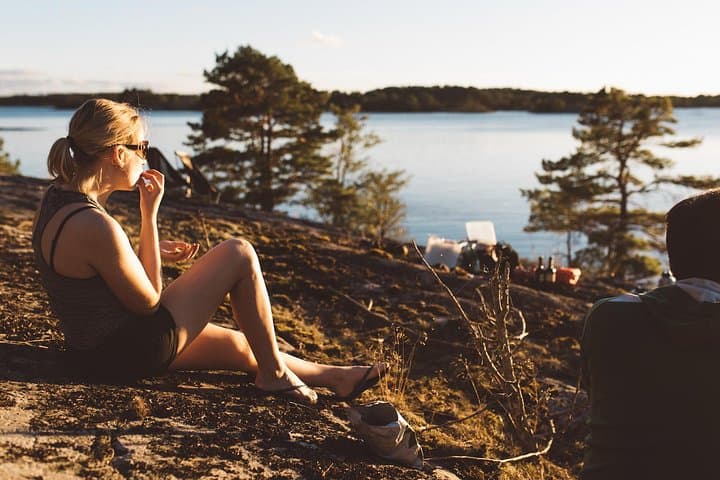
Cultural threads surface in land-use traces: old wooden summer houses, scattered fieldstones and grazing plots that speak to centuries of seasonal island life. Foraging is part of the program—rose hips, sorrel, juniper and cloudberries—paired with techniques for cooking over coals and in Dutch ovens. Wildlife like white-tailed sea eagles and harbor seals often mark the horizon and push guests to move quietly.
Practically, expect 4 days of guided paddling with shore lunches and three chef-led dinners; Hilleberg solo tents and Exped airbeds are supplied for wild camping. Paddling distances vary by weather—one long day into the outer archipelago can be strenuous—so come with waterproof layers, a pumped drybag and basic stroke familiarity. Water, wind and changing light are active elements here: time departures for calm mornings, pack modestly, and follow leave-no-trace rules when foraging or camping. This trip suits adventurous food lovers who want hands-on wild cooking and a real, island-to-plate connection.
moderate.
4 days (approx. 96 hours total).
Should be comfortable with several hours of paddling per day and basic overnight camping; reasonable upper-body endurance helps for windier crossings.
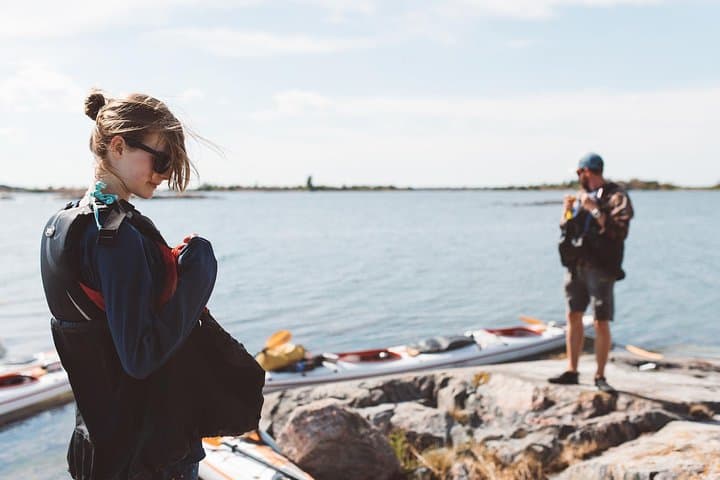
No advanced experience is required—beginners are welcome, though basic paddling familiarity speeds learning; guides cover technique and safety before launch.
Sweden’s right of public access (Allemansrätten) allows dispersed camping on uncultivated land for short stays; the operator supplies tents and bedding but you must follow leave-no-trace rules.
Yes — meals listed in the itinerary, a local guide, round-trip private transfers and selected alcoholic beverages are included per the tour description.
The shared tour caps at 8 guests; minimum age is 18 and maximum participant weight is 120 kg per booking.
The islands carry traces of centuries of coastal livelihoods—fishing, small-scale farming and seasonal summer cottages—reflected in old wooden boathouses and stone field boundaries.
Stick to established rules for Allemansrätten: take all waste out, minimise campfire impact and forage only what the guide identifies to protect fragile island flora.
Do the North AB operates guided outdoor trips and adventures with an emphasis on safety, stewardship, and memorable experiences.

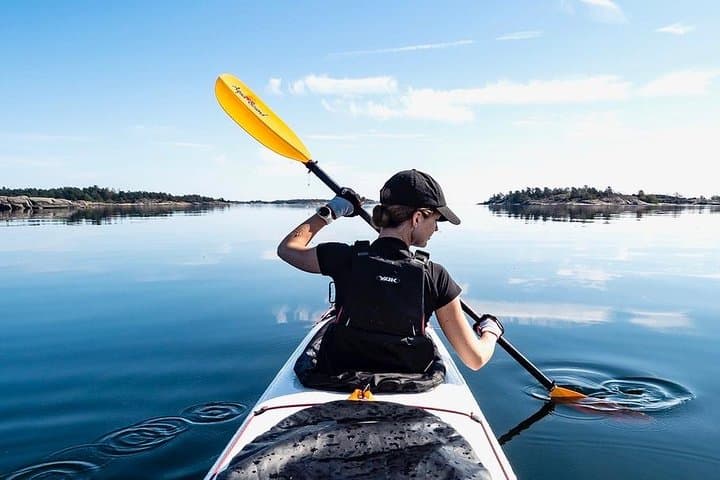
The day opens with a low, glassy sea and islands stacked like scattered stepping stones—pines and craggy rock rising out of the Baltic as you shoulder a kayak and push off.
The day opens with a low, glassy sea and islands stacked like scattered stepping stones—pines and craggy rock rising out of the Baltic as you shoulder a kayak and push off.
Over four days the archipelago shifts around you: inner bays lined with salt-tolerant meadows, middle isles threaded with bird sanctuaries and deciduous glades, and the exposed outer skerries where wind-bent trees cling to stone. The guide frames each meal with local history—how small-scale fishing and island dairies shaped recipes—and points out geologic contrasts between soft, glacially polished bedrock and thin skerry soils that host hardy coastal plants.
Cultural threads surface in land-use traces: old wooden summer houses, scattered fieldstones and grazing plots that speak to centuries of seasonal island life. Foraging is part of the program—rose hips, sorrel, juniper and cloudberries—paired with techniques for cooking over coals and in Dutch ovens. Wildlife like white-tailed sea eagles and harbor seals often mark the horizon and push guests to move quietly.
Practically, expect 4 days of guided paddling with shore lunches and three chef-led dinners; Hilleberg solo tents and Exped airbeds are supplied for wild camping. Paddling distances vary by weather—one long day into the outer archipelago can be strenuous—so come with waterproof layers, a pumped drybag and basic stroke familiarity. Water, wind and changing light are active elements here: time departures for calm mornings, pack modestly, and follow leave-no-trace rules when foraging or camping. This trip suits adventurous food lovers who want hands-on wild cooking and a real, island-to-plate connection.