THE ADVENTURE COLLECTIVE® · Independent discovery and booking for outdoor travel

Cook alongside islanders on Chorao, a mangrove-fringed slice of Goa where Konkani home kitchens and plantation plots reveal recipes you won’t find in restaurants. Spend a few hours learning, tasting, and walking small family plots before sharing an authentic Goan lunch.
Cook alongside islanders on Chorao, a mangrove-fringed slice of Goa where Konkani home kitchens and plantation plots reveal recipes you won’t find in restaurants. Spend a few hours learning, tasting, and walking small family plots before sharing an authentic Goan lunch.
You step off the short river ferry into a palette of mangroves, low houses, and the warm clatter of a kitchen that has fed this island for generations. Morning light pools on tidal creeks while the smell of coconut and tamarind threads through the air; within an hour you are at a family home where recipes live in memory and in the rustle of banana leaves.
Verified experiences and guided adventures in the surrounding area.
Operated by Soul Travelling · Chorao, Goa
You step off the short river ferry into a palette of mangroves, low houses, and the warm clatter of a kitchen that has fed this island for generations. Morning light pools on tidal creeks while the smell of coconut and tamarind threads through the air; within an hour you are at a family home where recipes live in memory and in the rustle of banana leaves.
Chorao sits on the Mandovi’s north bank and hosts the Salim Ali Bird Sanctuary—its ecology shaped by tidal flats and alluvial soil. The island’s cuisine shows those influences: fish curries, coconut-based gravies, and, historically, small-scale dairy and cheese-making noted in colonial records. Portuguese-era influences mingle with Konkani techniques and the local kulaghar (plantation) reflects traditional spice and vegetable growing that still supplies island tables.
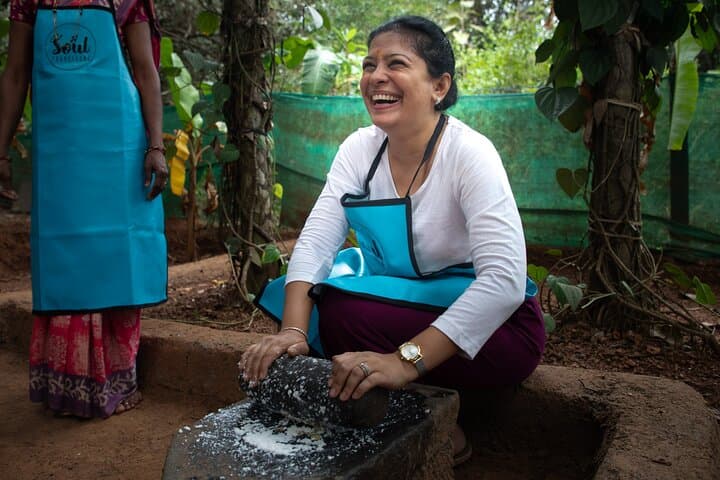
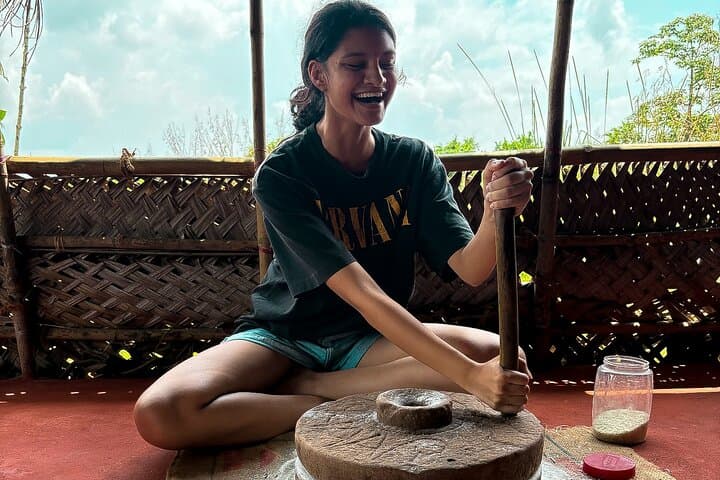
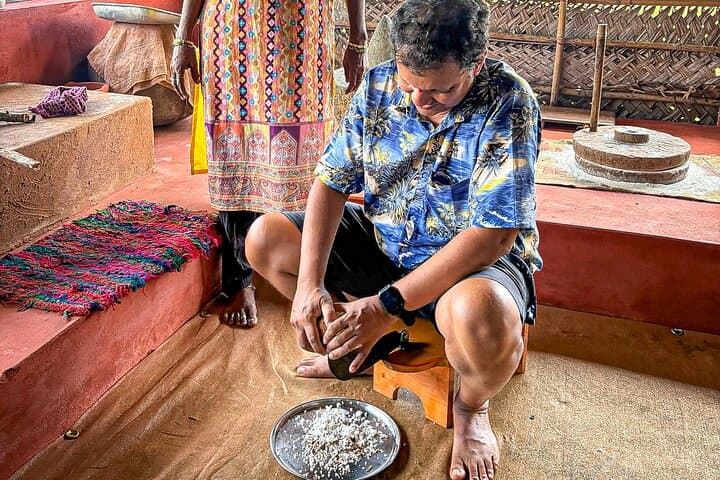
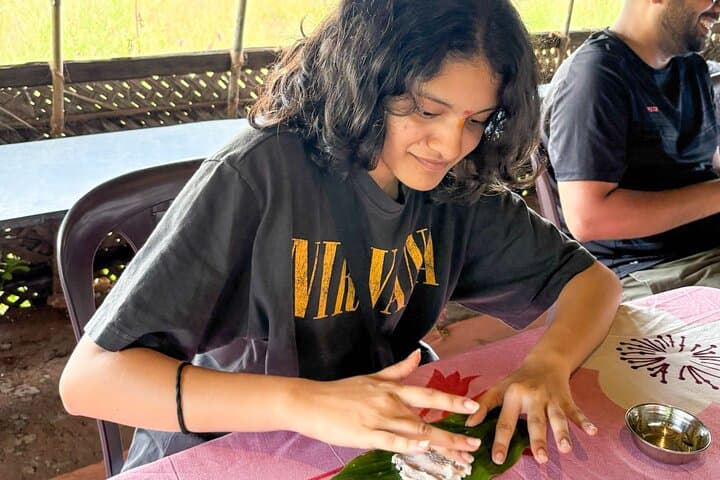
The experience moves deliberately: an orientation to local ingredients, two hands-on cooking demos, a walk through a family plantation, and a shared lunch that’s authentically home-cooked. Expect stories about seasonal catches, salt-making, and recipes rarely found in restaurants.
Practical guidance: the tour is 3–4 hours with light standing and short, uneven yard walks—wheelchair access is noted but some outdoor paths are rustic. Bring insect repellent, sun protection, and a small daypack for water and purchases. Morning or late afternoon departures avoid midday heat and make the river crossing easier. Cash is handy for local produce or tips.
This is a sensory, low-impact cultural visit—part cooking class, part village walk, and part living-history meal that connects food to place and people.
easy.
3–4 hours.
Suitable for most fitness levels; involves standing, light walking on uneven yard paths, and short ferry access.
The tour notes wheelchair accessibility, but some outdoor plantation paths are rustic—contact the operator in advance to confirm accommodations.
Yes; both vegetarian and non-vegetarian options are offered—inform the host about allergies or preferences when booking.
Most visitors take a short local ferry or boat from the Panaji/Ribandar area—allow extra time for transfer and check current ferry schedules.
Yes—guests participate in two hands-on cooking demos and then share the meal prepared with the hosts.
Chorao’s culinary identity grew under Portuguese influence and local Konkani traditions; the island historically supported small-scale dairy and even local cheese production noted in colonial records.
The island includes protected mangroves and the Salim Ali Bird Sanctuary—visitors should avoid trampling vegetation, carry out waste, and support local guides to keep impacts low.
Soul Travelling operates guided outdoor trips and adventures with an emphasis on safety, stewardship, and memorable experiences.
You step off the short river ferry into a palette of mangroves, low houses, and the warm clatter of a kitchen that has fed this island for generations. Morning light pools on tidal creeks while the smell of coconut and tamarind threads through the air; within an hour you are at a family home where recipes live in memory and in the rustle of banana leaves.
You step off the short river ferry into a palette of mangroves, low houses, and the warm clatter of a kitchen that has fed this island for generations. Morning light pools on tidal creeks while the smell of coconut and tamarind threads through the air; within an hour you are at a family home where recipes live in memory and in the rustle of banana leaves.
Chorao sits on the Mandovi’s north bank and hosts the Salim Ali Bird Sanctuary—its ecology shaped by tidal flats and alluvial soil. The island’s cuisine shows those influences: fish curries, coconut-based gravies, and, historically, small-scale dairy and cheese-making noted in colonial records. Portuguese-era influences mingle with Konkani techniques and the local kulaghar (plantation) reflects traditional spice and vegetable growing that still supplies island tables.
The experience moves deliberately: an orientation to local ingredients, two hands-on cooking demos, a walk through a family plantation, and a shared lunch that’s authentically home-cooked. Expect stories about seasonal catches, salt-making, and recipes rarely found in restaurants.
Practical guidance: the tour is 3–4 hours with light standing and short, uneven yard walks—wheelchair access is noted but some outdoor paths are rustic. Bring insect repellent, sun protection, and a small daypack for water and purchases. Morning or late afternoon departures avoid midday heat and make the river crossing easier. Cash is handy for local produce or tips.
This is a sensory, low-impact cultural visit—part cooking class, part village walk, and part living-history meal that connects food to place and people.