THE ADVENTURE COLLECTIVE® · Independent discovery and booking for outdoor travel

Walk Antigua’s cobbled lanes and taste more than nine local specialties on a three-hour guided food tour. Meet family-run kitchens, learn recipe stories, and finish with a standout gelato stop.
Walk Antigua’s cobbled lanes and taste more than nine local specialties on a three-hour guided food tour. Meet family-run kitchens, learn recipe stories, and finish with a standout gelato stop.
You step off the main plaza into a narrow lane where the air mixes roasting spices, fresh tortillas and the faint ash of wood-fired stoves. Cobblestones underfoot rattle the rhythm of the city as vendors call out and the volcanoes rear a distant silhouette — Antigua’s streets demand slow walking and an alert appetite.
Verified experiences and guided adventures in the surrounding area.
Operated by Culinary Antigua · Antigua Guatemala, Sacatepéquez
You step off the main plaza into a narrow lane where the air mixes roasting spices, fresh tortillas and the faint ash of wood-fired stoves. Cobblestones underfoot rattle the rhythm of the city as vendors call out and the volcanoes rear a distant silhouette — Antigua’s streets demand slow walking and an alert appetite.
Antigua Guatemala was the colonial capital of the Spanish Kingdom of Guatemala; its streets and churches reflect 16th–18th century Baroque architecture, rebuilt and softened after repeated earthquakes. The cuisine mirrors that layered history: indigenous Maya ingredients braided with Spanish and Caribbean influences — expect bites that recall pepián stews, chiles rellenos and house-made ice cream flavored with local fruits.
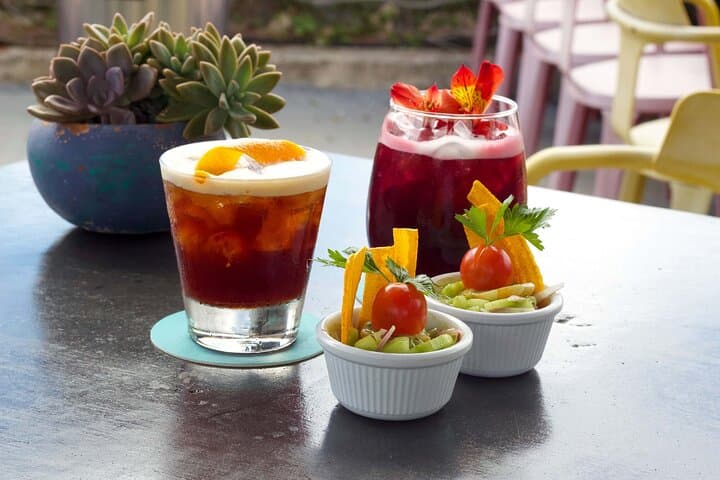
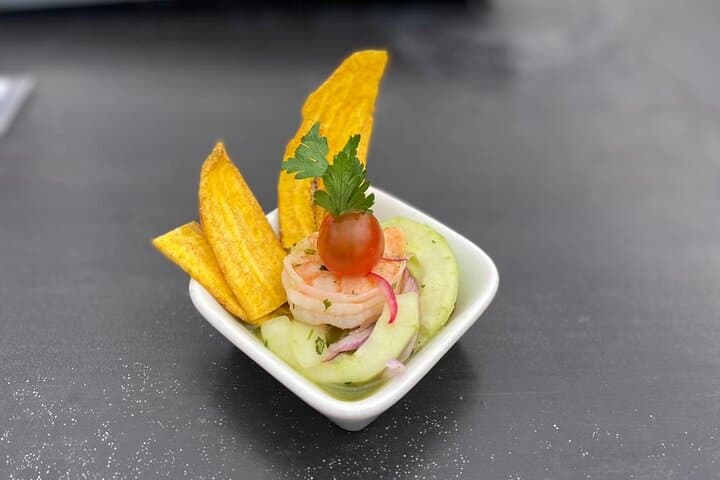
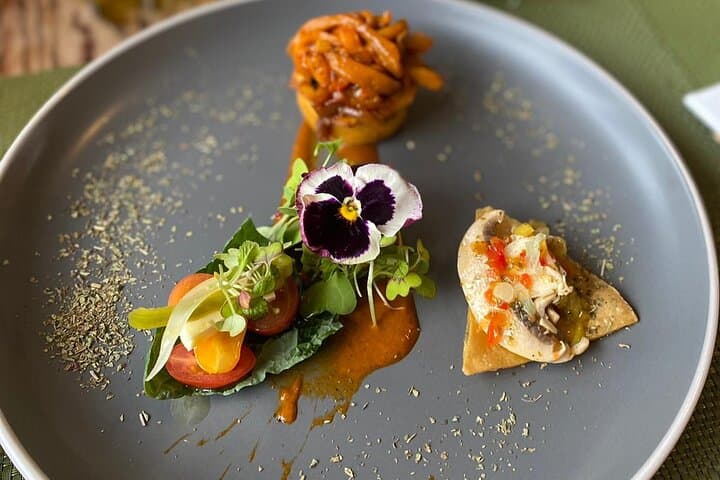
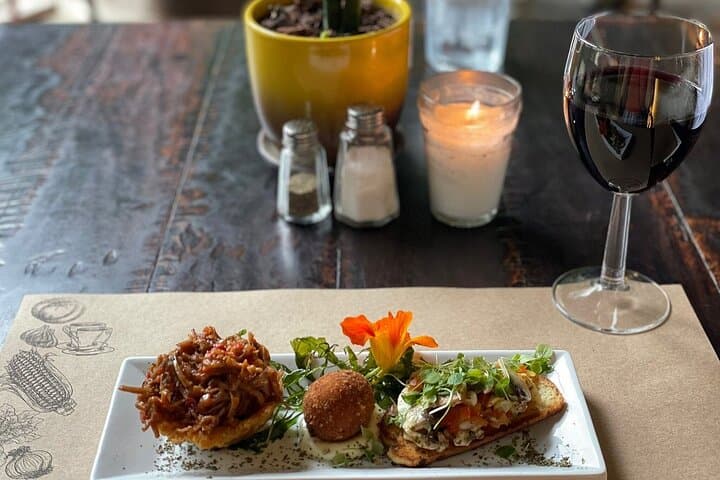
This guided tasting route typically runs three hours and includes nine-plus tastings at family-run restaurants, markets and a renowned gelato shop. The group moves by foot, stopping for small plates and stories from chefs and owners who keep traditional techniques alive. Expect uneven pavement, brief stair sections and opportunities to ask about recipes, sourcing and cultural meaning.
Practical notes: arrive hungry, bring cash for extras, and tell the operator of allergies ahead of time. Midday tours benefit from a light sun hat, while the dry season (Nov–Apr) sees cooler mornings. The tour supports neighborhood businesses — keep wrappers minimal and favor compostable waste options. For a short, sensory-packed introduction to Antigua’s food culture, this experience balances flavor, history and approachable walking.
easy.
3 hours.
Suitable for most fitness levels; requires standing and short walks on uneven pavement.
Yes — let the operator know when booking; many stops can adapt dishes but notify early to allow coordination with vendors.
Meeting details are provided at booking; most departures are near Antigua’s central park (Parque Central) or a clearly listed local cafe.
The tour is listed as physically easy and allows strollers, but portions and pacing are geared toward adults—infants must sit on laps.
Gratuities are appreciated; guides often rely on tips as part of their income—10–15% of the tour price is a common guideline.
Antigua served as the Spanish colonial capital until earthquakes in the 18th century shifted administrative centers; its preserved ruins and restored churches reflect that era.
The tour channels spending to local, family-run businesses—minimize single-use plastics, dispose of waste properly, and respect historic sites when taking photos.
Culinary Antigua operates guided outdoor trips and adventures with an emphasis on safety, stewardship, and memorable experiences.
You step off the main plaza into a narrow lane where the air mixes roasting spices, fresh tortillas and the faint ash of wood-fired stoves. Cobblestones underfoot rattle the rhythm of the city as vendors call out and the volcanoes rear a distant silhouette — Antigua’s streets demand slow walking and an alert appetite.
You step off the main plaza into a narrow lane where the air mixes roasting spices, fresh tortillas and the faint ash of wood-fired stoves. Cobblestones underfoot rattle the rhythm of the city as vendors call out and the volcanoes rear a distant silhouette — Antigua’s streets demand slow walking and an alert appetite.
Antigua Guatemala was the colonial capital of the Spanish Kingdom of Guatemala; its streets and churches reflect 16th–18th century Baroque architecture, rebuilt and softened after repeated earthquakes. The cuisine mirrors that layered history: indigenous Maya ingredients braided with Spanish and Caribbean influences — expect bites that recall pepián stews, chiles rellenos and house-made ice cream flavored with local fruits.
This guided tasting route typically runs three hours and includes nine-plus tastings at family-run restaurants, markets and a renowned gelato shop. The group moves by foot, stopping for small plates and stories from chefs and owners who keep traditional techniques alive. Expect uneven pavement, brief stair sections and opportunities to ask about recipes, sourcing and cultural meaning.
Practical notes: arrive hungry, bring cash for extras, and tell the operator of allergies ahead of time. Midday tours benefit from a light sun hat, while the dry season (Nov–Apr) sees cooler mornings. The tour supports neighborhood businesses — keep wrappers minimal and favor compostable waste options. For a short, sensory-packed introduction to Antigua’s food culture, this experience balances flavor, history and approachable walking.