THE ADVENTURE COLLECTIVE® · Independent discovery and booking for outdoor travel

Walk the rim of Laguna de Cuicocha with a bilingual guide to learn about its volcanic origins, local plant medicines, and continuing cultural significance. This guided loop offers dramatic crater views, orchids, and a compact but rewarding alpine hike.
Walk the rim of Laguna de Cuicocha with a bilingual guide to learn about its volcanic origins, local plant medicines, and continuing cultural significance. This guided loop offers dramatic crater views, orchids, and a compact but rewarding alpine hike.
You step out of the van at the rim and the lake opens like a folded sheet of glass—bright teal water ringed by stepped volcanic cliffs and two low islands sitting like knuckles in the center. Wind plays along the ridgeline; orchids and hardy shrubs cling to the crater’s lip. Your bilingual guide points out plant medicines and explains the rituals local Kichwa communities still perform along the shore.
Verified experiences and guided adventures in the surrounding area.
Operated by Quichua Native Travel · Cotacachi, Imbabura
You step out of the van at the rim and the lake opens like a folded sheet of glass—bright teal water ringed by stepped volcanic cliffs and two low islands sitting like knuckles in the center. Wind plays along the ridgeline; orchids and hardy shrubs cling to the crater’s lip. Your bilingual guide points out plant medicines and explains the rituals local Kichwa communities still perform along the shore.
Cuicocha is a volcanic caldera lake formed by violent eruptions millennia ago; the hollow it left now collects cloud and rain beneath Ecuador’s northern Andes. The crater’s steep walls expose layered ash and lava flows, while sheltered pockets host orchids and hummingbirds. Culturally, the lake remains sacred: communities from Cotacachi and Otavalo hold feasts and ceremonies here, and guides often share those stories alongside botanical knowledge.
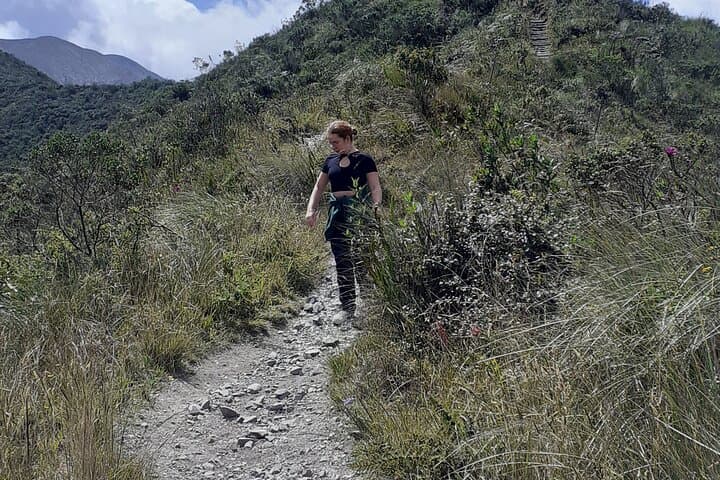
The loop trail that skirts the rim is largely maintained—rocky in places with short, steep pitches—and offers sweeping views across Imbabura province to nearby volcanoes. Expect roughly 9–10 km of walking and 3–4 hours on foot; the full tour runs about seven hours including transfers from Otavalo or Cotacachi. Bring sun and rain protection, carry 1–2 liters of water, and pace yourself for altitude (the rim sits above 3,000 m). Trails are public but fragile: follow your guide, stay on marked tread, and pack out any waste. Timing your hike for morning or late afternoon improves light for photography and avoids the strongest midday sun. With practical preparation, the Cuicocha loop is an immersive half-day back into Andean landscape, culture, and geology.
moderate.
7 hours (approx.).
Moderate fitness—comfortable walking for 3–4 hours with short steep sections; some prior hiking experience helpful.
The rim loop is roughly 9–10 km; expect 3–4 hours of walking plus time for stops—tours typically run about seven hours including transport.
People should have moderate fitness; those with mobility issues or serious heart/back problems are not recommended. Children used to multi-hour hikes can manage with breaks.
Yes—this tour includes entrance to Cotacachi Cayapas National Park as noted in the inclusions.
Yes—guides point out native orchids and a variety of highland birds and waterfowl; larger mammals are uncommon near the rim but present elsewhere in the park.
Cuicocha is a caldera lake formed by past volcanic eruptions and remains an important sacred site for nearby Kichwa communities around Cotacachi and Otavalo.
Cotacachi Cayapas National Park protects fragile highland ecosystems—stay on trails, avoid disturbing ceremonial sites, and pack out all trash to support conservation.
Quichua Native Travel operates guided outdoor trips and adventures with an emphasis on safety, stewardship, and memorable experiences.
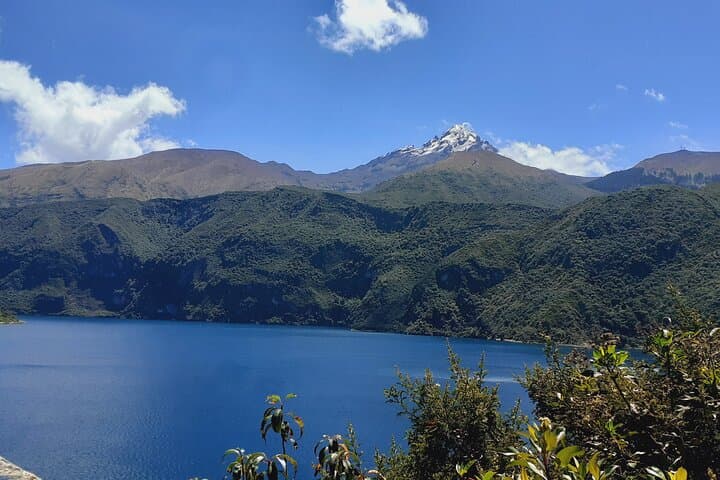
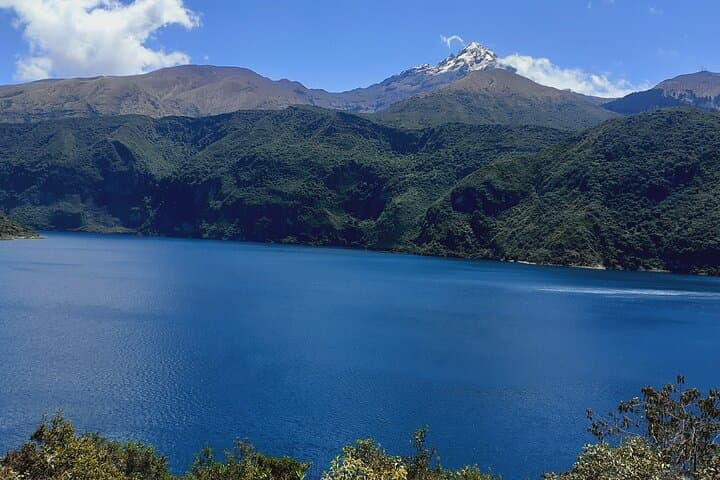
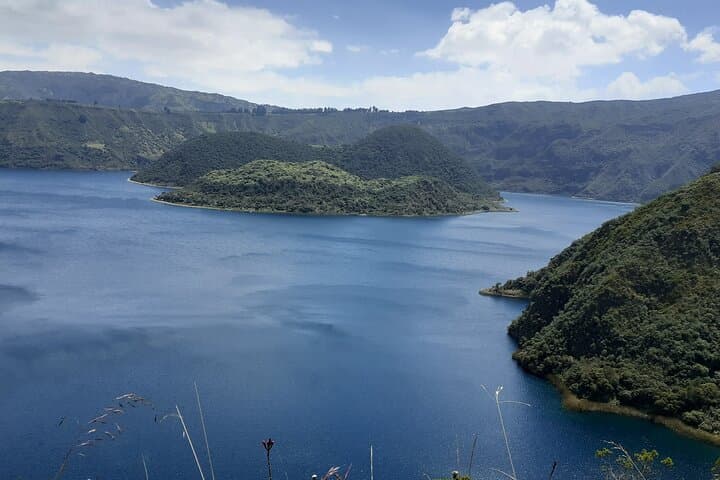
You step out of the van at the rim and the lake opens like a folded sheet of glass—bright teal water ringed by stepped volcanic cliffs and two low islands sitting like knuckles in the center. Wind plays along the ridgeline; orchids and hardy shrubs cling to the crater’s lip. Your bilingual guide points out plant medicines and explains the rituals local Kichwa communities still perform along the shore.
You step out of the van at the rim and the lake opens like a folded sheet of glass—bright teal water ringed by stepped volcanic cliffs and two low islands sitting like knuckles in the center. Wind plays along the ridgeline; orchids and hardy shrubs cling to the crater’s lip. Your bilingual guide points out plant medicines and explains the rituals local Kichwa communities still perform along the shore.
Cuicocha is a volcanic caldera lake formed by violent eruptions millennia ago; the hollow it left now collects cloud and rain beneath Ecuador’s northern Andes. The crater’s steep walls expose layered ash and lava flows, while sheltered pockets host orchids and hummingbirds. Culturally, the lake remains sacred: communities from Cotacachi and Otavalo hold feasts and ceremonies here, and guides often share those stories alongside botanical knowledge.
The loop trail that skirts the rim is largely maintained—rocky in places with short, steep pitches—and offers sweeping views across Imbabura province to nearby volcanoes. Expect roughly 9–10 km of walking and 3–4 hours on foot; the full tour runs about seven hours including transfers from Otavalo or Cotacachi. Bring sun and rain protection, carry 1–2 liters of water, and pace yourself for altitude (the rim sits above 3,000 m). Trails are public but fragile: follow your guide, stay on marked tread, and pack out any waste. Timing your hike for morning or late afternoon improves light for photography and avoids the strongest midday sun. With practical preparation, the Cuicocha loop is an immersive half-day back into Andean landscape, culture, and geology.