THE ADVENTURE COLLECTIVE® · Independent discovery and booking for outdoor travel

Ride from San Juan to the dramatic Cueva Ventana and the coastal Cueva del Indio with an archaeologist guiding you through limestone windows and Taíno petroglyphs. Expect short hikes, narrow passages and coastal rock scrambling on this 5–6 hour private tour.
Ride from San Juan to the dramatic Cueva Ventana and the coastal Cueva del Indio with an archaeologist guiding you through limestone windows and Taíno petroglyphs. Expect short hikes, narrow passages and coastal rock scrambling on this 5–6 hour private tour.
You set out from San Juan before sunrise, the Audi Q7 humming across the coastal plain as the island’s karst hills rise like folded pages ahead. An hour and a half later the forest thins and a natural aperture frames the Arecibo river valley—Cueva Ventana’s window offers a sudden, cinematic reach of canyon and cultivated terraces. Inside the cave complex the air cools; water has carved the limestone into chambers and ledges, and you move at the archaeologist’s pace, eyes trained on tool marks and stratified deposits.
Verified experiences and guided adventures in the surrounding area.
Operated by Sojourn Puerto Rico · Arecibo, Puerto Rico
You set out from San Juan before sunrise, the Audi Q7 humming across the coastal plain as the island’s karst hills rise like folded pages ahead. An hour and a half later the forest thins and a natural aperture frames the Arecibo river valley—Cueva Ventana’s window offers a sudden, cinematic reach of canyon and cultivated terraces. Inside the cave complex the air cools; water has carved the limestone into chambers and ledges, and you move at the archaeologist’s pace, eyes trained on tool marks and stratified deposits.
This landscape is shaped by uplifted coral and soluble limestone—geology that invites caves, arches and tidal platforms. The petroglyphs at Cueva del Indio on the north coast belong to the Taíno people; their carved figures and grooves map stories, navigation markers and seasonal cycles. Local culture still orbits the sea and forest: roadside BBQs near Arecibo serve slow-grilled pork, and fishers check snares along rocky coves.
Practically, expect two short hikes—one through leafy, uneven trail to the window cave and another over coastal rock and tide-swept slabs to reach the Indian Cave. Portions are narrow; descending into the cavern may require crawling through a tight chute. The tour includes all cave entrance fees, hotel pickup and a driver/guide. Bring steady shoes, a 1–2L water supply, sun protection and a small headlamp if you plan to explore darker passages. Move deliberately, respect the petroglyphs—no touching—and plan for a 5–6 hour outing with moderate walking and occasional scrambling.
moderate.
5–6 hours.
Good for travelers who can walk uneven trails, manage short scrambles and tolerate narrow cave passages.
Pickups are in the San Juan metro area and the drive to the first stop is about 1 to 1.5 hours, depending on traffic.
You can view many petroglyphs without tight crawling, but some interior panels require squeezing through narrow passages—ask your guide for accessible viewing options.
Lunch is not included; the itinerary offers an optional stop at a local BBQ near Arecibo or you can bring snacks for the trip.
Yes, children can join but must be accompanied by an adult; parents should assess narrow passages and rocky walking for younger kids.
The petroglyphs at Cueva del Indio are attributed to the Taíno people and served both ceremonial and navigational roles along the coast.
Stay on marked trails, avoid touching carvings and pack out all trash; coastal and cave features are vulnerable to erosion and human impact.
Sojourn Puerto Rico operates guided outdoor trips and adventures with an emphasis on safety, stewardship, and memorable experiences.
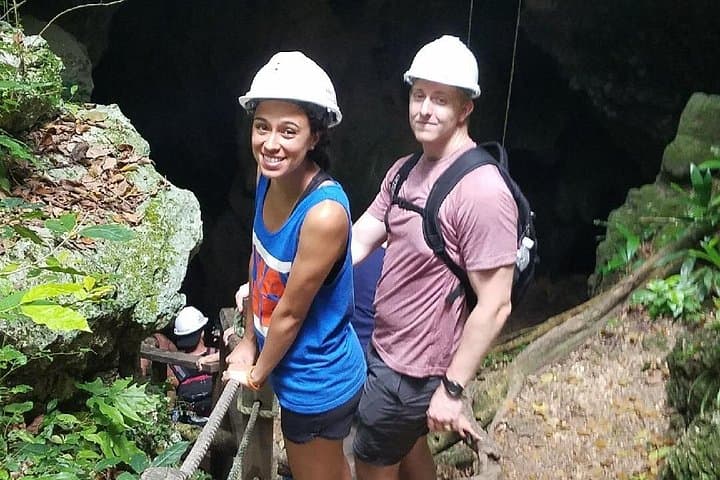
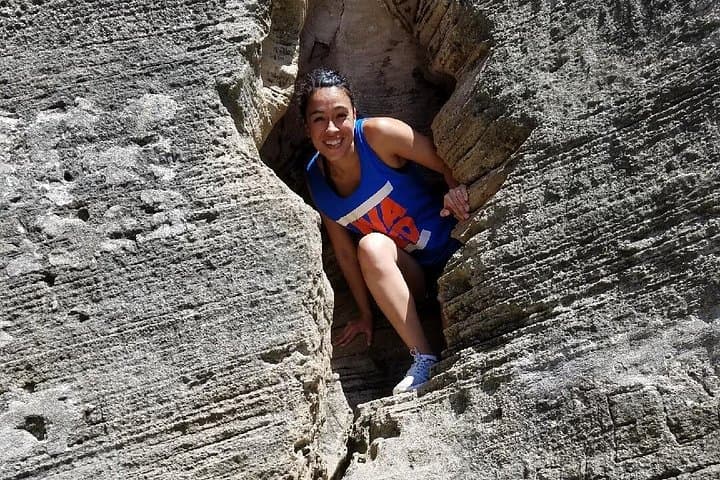
You set out from San Juan before sunrise, the Audi Q7 humming across the coastal plain as the island’s karst hills rise like folded pages ahead. An hour and a half later the forest thins and a natural aperture frames the Arecibo river valley—Cueva Ventana’s window offers a sudden, cinematic reach of canyon and cultivated terraces. Inside the cave complex the air cools; water has carved the limestone into chambers and ledges, and you move at the archaeologist’s pace, eyes trained on tool marks and stratified deposits.
You set out from San Juan before sunrise, the Audi Q7 humming across the coastal plain as the island’s karst hills rise like folded pages ahead. An hour and a half later the forest thins and a natural aperture frames the Arecibo river valley—Cueva Ventana’s window offers a sudden, cinematic reach of canyon and cultivated terraces. Inside the cave complex the air cools; water has carved the limestone into chambers and ledges, and you move at the archaeologist’s pace, eyes trained on tool marks and stratified deposits.
This landscape is shaped by uplifted coral and soluble limestone—geology that invites caves, arches and tidal platforms. The petroglyphs at Cueva del Indio on the north coast belong to the Taíno people; their carved figures and grooves map stories, navigation markers and seasonal cycles. Local culture still orbits the sea and forest: roadside BBQs near Arecibo serve slow-grilled pork, and fishers check snares along rocky coves.
Practically, expect two short hikes—one through leafy, uneven trail to the window cave and another over coastal rock and tide-swept slabs to reach the Indian Cave. Portions are narrow; descending into the cavern may require crawling through a tight chute. The tour includes all cave entrance fees, hotel pickup and a driver/guide. Bring steady shoes, a 1–2L water supply, sun protection and a small headlamp if you plan to explore darker passages. Move deliberately, respect the petroglyphs—no touching—and plan for a 5–6 hour outing with moderate walking and occasional scrambling.