THE ADVENTURE COLLECTIVE® · Independent discovery and booking for outdoor travel

Walk through primary Amazon jungle from Puyo to Cueva de los Tayos, then descend into three hours of cave passages, dripping rock formations, and nocturnal wildlife. This full-day trip pairs a community approach with technical-but-accessible caving.
Walk through primary Amazon jungle from Puyo to Cueva de los Tayos, then descend into three hours of cave passages, dripping rock formations, and nocturnal wildlife. This full-day trip pairs a community approach with technical-but-accessible caving.
You enter the Amazon like a slow inhale: humid air thickens, leaves press close, and the trail narrows into a green tunnel that deliberately hides what’s ahead.
Verified experiences and guided adventures in the surrounding area.
Operated by Amazonia Ecuador Tours | Viajes a la Selva & Tours Jungle Expedition · Puyo, Pastaza
You enter the Amazon like a slow inhale: humid air thickens, leaves press close, and the trail narrows into a green tunnel that deliberately hides what’s ahead.
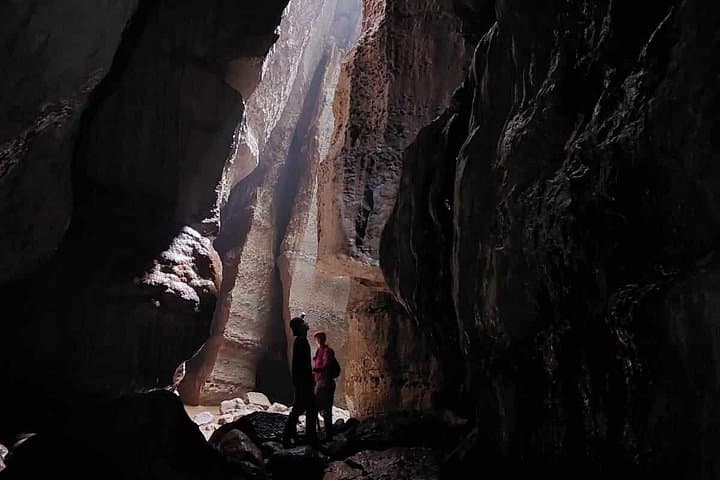
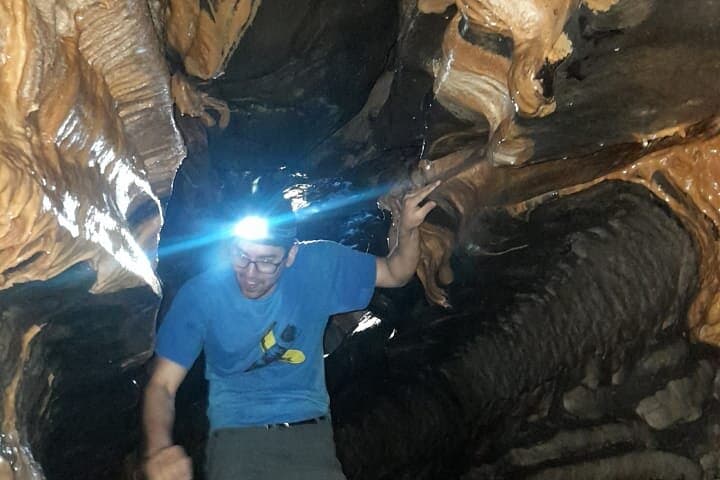
The hike from Puyo passes through primary jungle and a small community, then steepens toward the mouth of Cueva de los Tayos. Once inside, light drains away and the cave takes on a life of its own — dripping walls, tight passages, and chambers with stalactites and stalagmites shaped by centuries of slow water. Underground currents whisper through lower sections and bats and nocturnal guácharos become part of the cast.
Geologically, these caverns are carved from sandstone and limestone influenced by persistent tropical rainfall; rock formations reveal long-term chemical erosion rather than sudden collapse. Locally, communities have long guided visitors here and traditional knowledge shapes safe passage — from how to move in the dark to where fragile formations must never be touched.
Expect roughly 1–1.5 hours of jungle approach, a period to dark-adapt, then about three hours inside the cave on varied terrain. Trails are muddy; passages may require stooping or short, awkward climbs. Bring a headlamp (plus spare), closed-toe boots, and expect damp conditions.
Practical tips: go with a guide who knows seasonal water levels, hydrate before you enter, and plan for insects and humidity. The experience is equal parts natural history and physical exploration — the cave challenges your sense of direction and rewards it with raw, very tangible geology and wildlife sightings.
moderate.
8 hours.
Moderately fit — able to hike 1–1.5 hours through uneven jungle and navigate crawling, stooping, and short climbs in confined cave passages.
The guided cave tour runs about three hours after the jungle approach and a brief period for dark adaptation.
Not recommended for travelers with spinal injuries and small children may find certain passages difficult; ask the operator about age limits.
Yes — bats are common, and there’s a chance to observe guácharos (Tayos) and other nocturnal species near nesting areas.
No specialized caving training or ropes are required for this standard tour, but bring a reliable headlamp and sturdy footwear.
Local communities have long known and used the cave; it gained international attention in the 20th century from expeditions seeking unusual archaeological finds, though its primary value is geological and biological.
The cave system is sensitive to foot traffic and oils from hands; follow guide instructions, avoid littering, and support community-based tourism that protects access and habitat.
Amazonia Ecuador Tours | Viajes a la Selva & Tours Jungle Expedition operates guided outdoor trips and adventures with an emphasis on safety, stewardship, and memorable experiences.
You enter the Amazon like a slow inhale: humid air thickens, leaves press close, and the trail narrows into a green tunnel that deliberately hides what’s ahead.
You enter the Amazon like a slow inhale: humid air thickens, leaves press close, and the trail narrows into a green tunnel that deliberately hides what’s ahead.
The hike from Puyo passes through primary jungle and a small community, then steepens toward the mouth of Cueva de los Tayos. Once inside, light drains away and the cave takes on a life of its own — dripping walls, tight passages, and chambers with stalactites and stalagmites shaped by centuries of slow water. Underground currents whisper through lower sections and bats and nocturnal guácharos become part of the cast.
Geologically, these caverns are carved from sandstone and limestone influenced by persistent tropical rainfall; rock formations reveal long-term chemical erosion rather than sudden collapse. Locally, communities have long guided visitors here and traditional knowledge shapes safe passage — from how to move in the dark to where fragile formations must never be touched.
Expect roughly 1–1.5 hours of jungle approach, a period to dark-adapt, then about three hours inside the cave on varied terrain. Trails are muddy; passages may require stooping or short, awkward climbs. Bring a headlamp (plus spare), closed-toe boots, and expect damp conditions.
Practical tips: go with a guide who knows seasonal water levels, hydrate before you enter, and plan for insects and humidity. The experience is equal parts natural history and physical exploration — the cave challenges your sense of direction and rewards it with raw, very tangible geology and wildlife sightings.