THE ADVENTURE COLLECTIVE® · Independent discovery and booking for outdoor travel

Spend two days between Cuenca’s colonial streets, the Inca terraces of Ingapirca and the wind-swept lakes of Cajas National Park. This private tour blends cultural discovery with short, high-elevation walks—good for travelers seeking history, craft markets and accessible Andean landscapes.
Spend two days between Cuenca’s colonial streets, the Inca terraces of Ingapirca and the wind-swept lakes of Cajas National Park. This private tour blends cultural discovery with short, high-elevation walks—good for travelers seeking history, craft markets and accessible Andean landscapes.
Morning light slices across red-tile roofs as travelers step into Cuenca’s colonial grid, the smell of fresh coffee and river-wet stone in the air. The first day moves from fabrics and goldsmith shops to the measured stones of Ingapirca, where Inca masonry still fits like a locked jaw against the Andean slope.
Verified experiences and guided adventures in the surrounding area.
Operated by Galapagos My World · Cuenca, Azuay
Morning light slices across red-tile roofs as travelers step into Cuenca’s colonial grid, the smell of fresh coffee and river-wet stone in the air. The first day moves from fabrics and goldsmith shops to the measured stones of Ingapirca, where Inca masonry still fits like a locked jaw against the Andean slope.
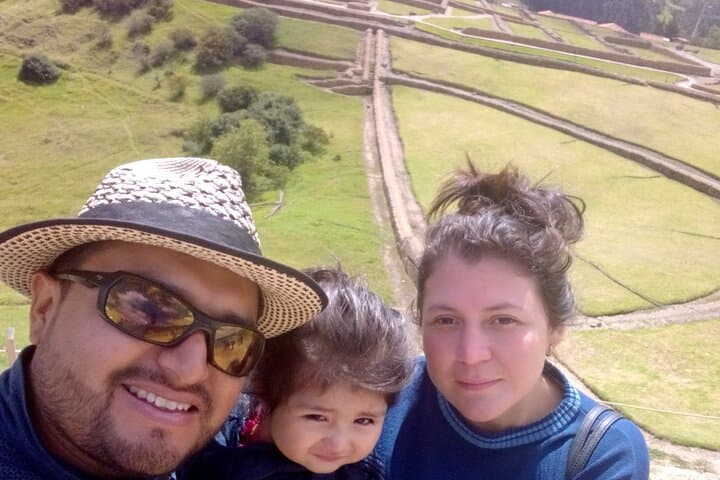
The route threads through Azuay’s high valleys: terraced fields give way to scrub and then the sweeping, lake-dotted moorland of Cajas. Ingapirca—Ecuador’s largest Inca site—was a ceremonial and astronomical complex built in the 16th century, its solar temple oriented to track seasonal light. Cajas National Park, carved from glacial action over millennia, holds over 200 lakes in a high páramo shaped by cold winds and ancient ice.
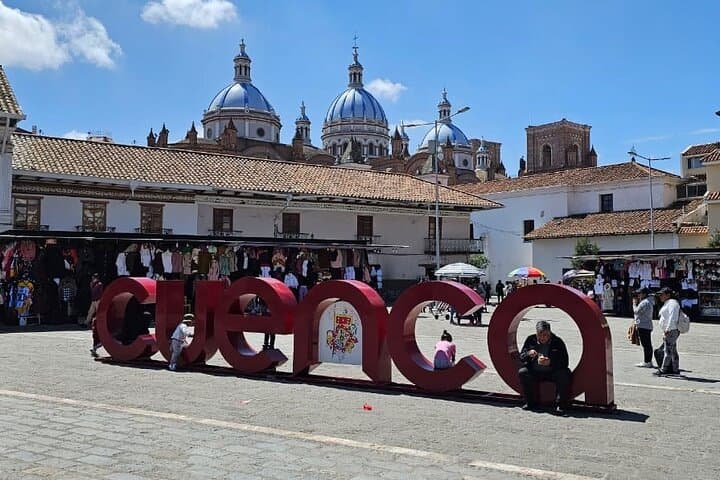
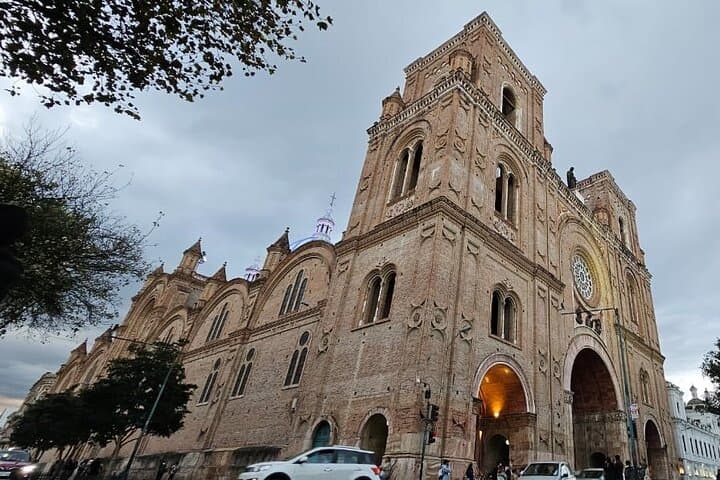
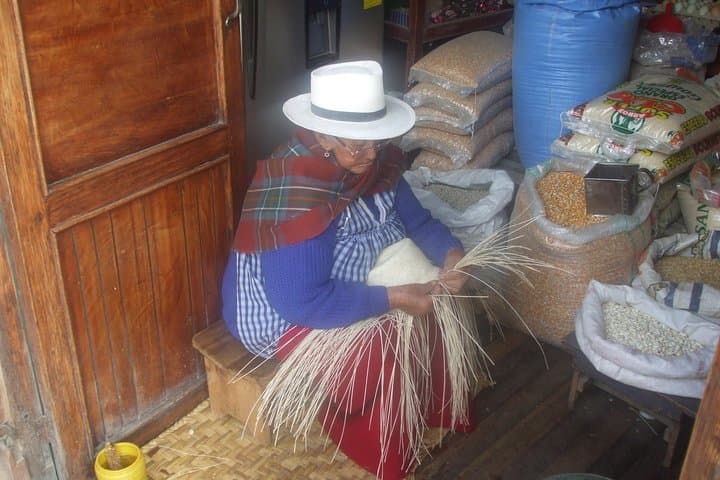
On day two the guide leads short walks across peat-strewn trails and fragile cushion plants, pointing out Polylepis groves and the freshwater springs that feed Cuenca’s rivers. Back in the city, the cathedral’s blue domes and the flower market reveal Spanish colonial layering over indigenous craft traditions still practiced in nearby Gualaceo and Chordeleg.
Practical note: expect elevation between 2,500–3,800 m (8,200–12,500 ft), cool to cold mornings, and sun-intense afternoons. Carry layered clothing, water, and sun protection; the walks are short but at altitude and require moderate fitness. The private format includes hotel pickup, a certified naturalist guide, and basic breakfasts—ideal for travelers who want cultural depth and short, highland walks without heavy trekking.
moderate.
2 days.
Moderate fitness: able to walk 45–180 minutes at a time over uneven, high-elevation trails.
Walks are short (around 45–180 minutes) on marked trails but occur at high elevation, so exertion feels harder than at sea level.
The itinerary indicates admissions to Ingapirca and Cajas are included in the program, but confirm at booking for final details.
Infants must sit on an adult’s lap; the tour requires moderate fitness and may not be recommended for very young children or those with mobility limitations.
Highland weather is variable: cold, windy mornings and strong sun midday; rain is common outside the dry window (roughly June–September).
Cuenca’s urban core dates to Spanish colonial foundations built atop older indigenous settlements; nearby Ingapirca reflects Inca expansion from the north and local Cañari influences.
Cajas is a fragile páramo ecosystem—stick to trails, avoid collecting plants, and pack out waste to protect peat soils and freshwater sources.
Galapagos My World operates guided outdoor trips and adventures with an emphasis on safety, stewardship, and memorable experiences.
Morning light slices across red-tile roofs as travelers step into Cuenca’s colonial grid, the smell of fresh coffee and river-wet stone in the air. The first day moves from fabrics and goldsmith shops to the measured stones of Ingapirca, where Inca masonry still fits like a locked jaw against the Andean slope.
Morning light slices across red-tile roofs as travelers step into Cuenca’s colonial grid, the smell of fresh coffee and river-wet stone in the air. The first day moves from fabrics and goldsmith shops to the measured stones of Ingapirca, where Inca masonry still fits like a locked jaw against the Andean slope.
The route threads through Azuay’s high valleys: terraced fields give way to scrub and then the sweeping, lake-dotted moorland of Cajas. Ingapirca—Ecuador’s largest Inca site—was a ceremonial and astronomical complex built in the 16th century, its solar temple oriented to track seasonal light. Cajas National Park, carved from glacial action over millennia, holds over 200 lakes in a high páramo shaped by cold winds and ancient ice.
On day two the guide leads short walks across peat-strewn trails and fragile cushion plants, pointing out Polylepis groves and the freshwater springs that feed Cuenca’s rivers. Back in the city, the cathedral’s blue domes and the flower market reveal Spanish colonial layering over indigenous craft traditions still practiced in nearby Gualaceo and Chordeleg.
Practical note: expect elevation between 2,500–3,800 m (8,200–12,500 ft), cool to cold mornings, and sun-intense afternoons. Carry layered clothing, water, and sun protection; the walks are short but at altitude and require moderate fitness. The private format includes hotel pickup, a certified naturalist guide, and basic breakfasts—ideal for travelers who want cultural depth and short, highland walks without heavy trekking.