THE ADVENTURE COLLECTIVE® · Independent discovery and booking for outdoor travel

Taste Cuenca’s best off-the-beaten-path bites on a guided 3‑hour walk through markets and family kitchens. Try encebollado, bolón de verde, pernil sandwiches and pan de yuca while learning the local history and ingredient stories.
Taste Cuenca’s best off-the-beaten-path bites on a guided 3‑hour walk through markets and family kitchens. Try encebollado, bolón de verde, pernil sandwiches and pan de yuca while learning the local history and ingredient stories.
You step off the shaded street and the city negotiates its welcome — steam from a pot of encebollado lifts like a promise, a vendor wipes a warm bolón and the Tomebamba River murmurs nearby. The walk moves through narrow cobbled alleys where smoke and citrus pull your attention from colonial balconies to the plates in front of you.
Verified experiences and guided adventures in the surrounding area.
Operated by Enjoy&Live Tours · Cuenca, Azuay
You step off the shaded street and the city negotiates its welcome — steam from a pot of encebollado lifts like a promise, a vendor wipes a warm bolón and the Tomebamba River murmurs nearby. The walk moves through narrow cobbled alleys where smoke and citrus pull your attention from colonial balconies to the plates in front of you.
Cuenca's food reflects highland altitude and coastal reach: the Andes’ cold nights favor hearty soups, while plantain and coconut flavors trace trade routes to the coast. Founded on Cañari settlements and reshaped during Spanish colonial rule, the city’s markets still combine indigenous ingredients with immigrant techniques. Geologically, the surrounding Andean valleys produce diverse crops — potatoes, yuca, and native tubers — that shape local dishes.
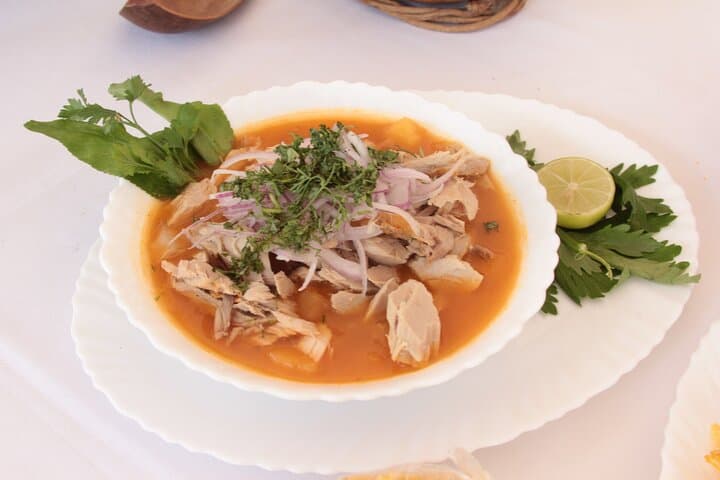
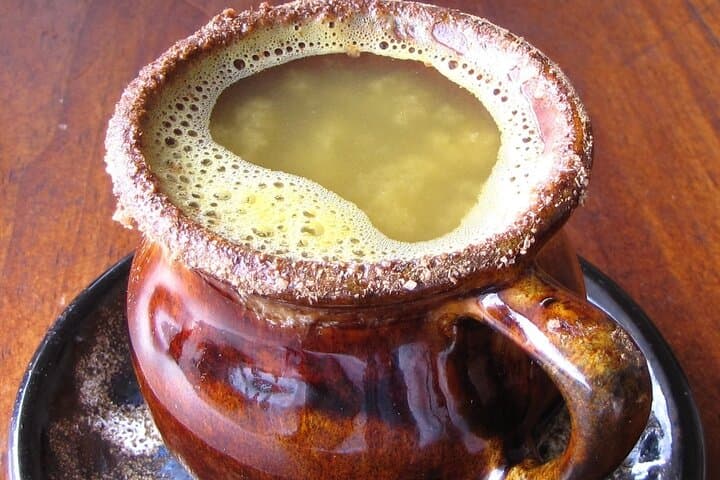
On this three-hour tasting loop you'll sample encebollado (a fish-and-yuca soup), bolón de verde, pernil sandwiches and pan de yuca with yogurt, plus warm canelazo to finish. Expect small-family kitchens, street carts, and a few refined stops where producers explain techniques and ingredient sources.
Practical edge: the route is flat to gently rolling on cobblestone; wear comfortable, closed-toe shoes and carry small change for additional snacks. If you have dietary restrictions, notify the guide when booking — many vendors can adapt portions but dishes often contain pork, seafood, cheese or gluten. Hydrate between stops; highland sun and lively walking can dry you out. Arrive hungry, bring curiosity, and let local flavors map Cuenca’s layered cultural geography.
easy.
3 hours.
Suitable for most fitness levels; involves walking up to 2–3 miles on uneven cobblestones and standing during tastings.
The tour runs about 3 hours and includes roughly 2–3 miles of walking over mainly flat, cobblestone streets with short staircases.
Yes—notify the operator when booking. Guides can often adjust stops or recommend alternatives, but cross-contamination is possible at street vendors.
Many areas visited report wheelchair-accessible surfaces and transportation options, but some cobblestone streets and small kitchens may be challenging—check specifics with the operator before booking.
Typical tastings include local juices, coffee, and a canelazo; alcoholic beverages may be included only for guests 18+ depending on the stop.
Cuenca’s colonial center sits on pre-Columbian Cañari foundations and later flourished under Spanish rule; the city’s cuisine blends indigenous Andean staples with coastal and immigrant influences.
Support local sustainability by choosing stalls that source locally, avoiding single-use plastics, and tipping small vendors directly to keep food traditions viable.
Enjoy&Live Tours operates guided outdoor trips and adventures with an emphasis on safety, stewardship, and memorable experiences.

You step off the shaded street and the city negotiates its welcome — steam from a pot of encebollado lifts like a promise, a vendor wipes a warm bolón and the Tomebamba River murmurs nearby. The walk moves through narrow cobbled alleys where smoke and citrus pull your attention from colonial balconies to the plates in front of you.
You step off the shaded street and the city negotiates its welcome — steam from a pot of encebollado lifts like a promise, a vendor wipes a warm bolón and the Tomebamba River murmurs nearby. The walk moves through narrow cobbled alleys where smoke and citrus pull your attention from colonial balconies to the plates in front of you.
Cuenca's food reflects highland altitude and coastal reach: the Andes’ cold nights favor hearty soups, while plantain and coconut flavors trace trade routes to the coast. Founded on Cañari settlements and reshaped during Spanish colonial rule, the city’s markets still combine indigenous ingredients with immigrant techniques. Geologically, the surrounding Andean valleys produce diverse crops — potatoes, yuca, and native tubers — that shape local dishes.
On this three-hour tasting loop you'll sample encebollado (a fish-and-yuca soup), bolón de verde, pernil sandwiches and pan de yuca with yogurt, plus warm canelazo to finish. Expect small-family kitchens, street carts, and a few refined stops where producers explain techniques and ingredient sources.
Practical edge: the route is flat to gently rolling on cobblestone; wear comfortable, closed-toe shoes and carry small change for additional snacks. If you have dietary restrictions, notify the guide when booking — many vendors can adapt portions but dishes often contain pork, seafood, cheese or gluten. Hydrate between stops; highland sun and lively walking can dry you out. Arrive hungry, bring curiosity, and let local flavors map Cuenca’s layered cultural geography.