THE ADVENTURE COLLECTIVE® · Independent discovery and booking for outdoor travel

An intimate 90–120 minute tasting steps you through rare mother‑tree cacao paired with four house wines in central Cuenca. Learn why Ecuador’s heirloom trees matter while sampling handcrafted truffles and upcoming releases.
An intimate 90–120 minute tasting steps you through rare mother‑tree cacao paired with four house wines in central Cuenca. Learn why Ecuador’s heirloom trees matter while sampling handcrafted truffles and upcoming releases.
You step inside a compact tasting room one block from Parque Calderón; warm wood, low light and the scent of roasted cacao meet the bright tang of young wine. A chocolatier opens a tray of dark, glossy bonbons while a server pours a pale white and a velvet red. The city hums outside, but here the conversation is about origin — the slow work of trees and hands that produce rare cacao.
Verified experiences and guided adventures in the surrounding area.
Operated by Altisimo Chocolate, Coffee & Bistro · Cuenca, Azuay
You step inside a compact tasting room one block from Parque Calderón; warm wood, low light and the scent of roasted cacao meet the bright tang of young wine. A chocolatier opens a tray of dark, glossy bonbons while a server pours a pale white and a velvet red. The city hums outside, but here the conversation is about origin — the slow work of trees and hands that produce rare cacao.
Ecuador’s coastal and Andean soils gave rise to prized heirloom cacao varieties; Cuenca’s cocoa story includes boom, blight and an ongoing revival of mother-tree genetics. The tour pairs four house-crafted wines with three artisan truffles and three samples from Altisimo’s Indulgence collection, while guides explain the 20th‑century diseases and 21st‑century conservation that shaped modern Ecuadorian chocolate.
Culturally, the tasting fits Cuenca’s evolving food scene: small shops reviving native crops and blending ancestral knowledge with boutique production. Geology matters too — volcanic and alluvial soils on Ecuador’s western slopes helped cacao lineages persist and produce complex flavors.
Practical guidance: allow 90–120 minutes, arrive slightly hungry to appreciate contrasts, and plan this for mid‑afternoon or early evening when the tasting room is calm. Mention dietary restrictions in advance; the tasting includes alcohol and dairy in confections. Accessibility is good — the venue is a short, mostly flat walk from the main plaza and wheelchair accessible. Take notes, sip water between samples, and ask about the mother-tree initiative; the best questions reveal why a single bean tastes like citrus, tobacco or dried fruit. This is a low‑impact, high‑flavor way to learn how place and plant shape chocolate.
easy.
1.5–2 hours.
No special fitness required; suitable for most mobility levels
Plan for 90–120 minutes; the guide spends time on history, pairings and questions.
Yes—four in‑house wines are paired with the chocolates and included in the tasting price.
Yes—Altisimo reports wheelchair‑accessible surfaces and stroller access; confirm specifics when booking.
Children are allowed but portions include alcohol; contact the host for non‑alcoholic substitutions or guidance for minors.
Ecuador’s cacao history includes prized heirloom varieties and a near‑collapse in the early 20th century; current efforts focus on preserving mother trees and heirloom genetics.
Altisimo sources rare mother‑tree cacao and interprets the conservation story during tastings; supporting producers who protect genetic diversity helps local reforestation and livelihoods.
Altisimo Chocolate, Coffee & Bistro operates guided outdoor trips and adventures with an emphasis on safety, stewardship, and memorable experiences.
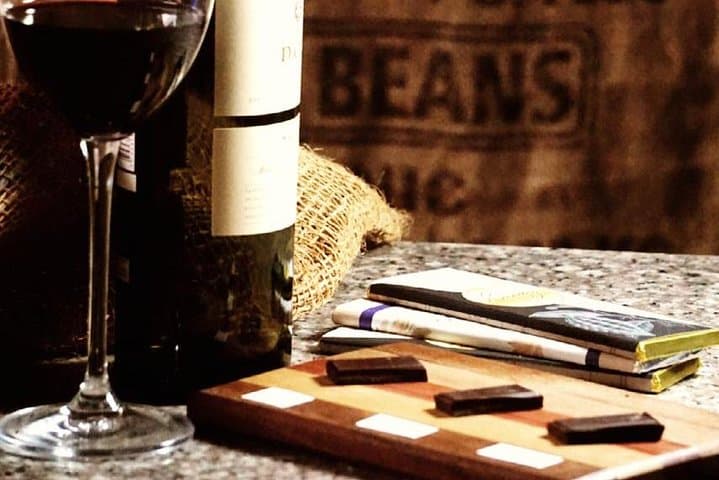

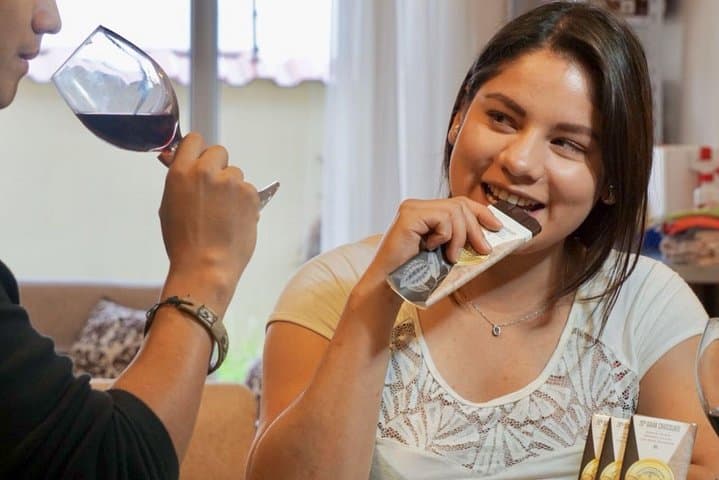
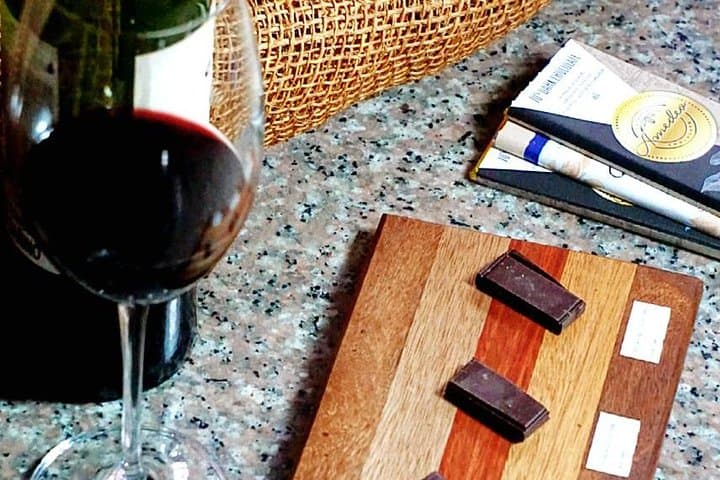
You step inside a compact tasting room one block from Parque Calderón; warm wood, low light and the scent of roasted cacao meet the bright tang of young wine. A chocolatier opens a tray of dark, glossy bonbons while a server pours a pale white and a velvet red. The city hums outside, but here the conversation is about origin — the slow work of trees and hands that produce rare cacao.
You step inside a compact tasting room one block from Parque Calderón; warm wood, low light and the scent of roasted cacao meet the bright tang of young wine. A chocolatier opens a tray of dark, glossy bonbons while a server pours a pale white and a velvet red. The city hums outside, but here the conversation is about origin — the slow work of trees and hands that produce rare cacao.
Ecuador’s coastal and Andean soils gave rise to prized heirloom cacao varieties; Cuenca’s cocoa story includes boom, blight and an ongoing revival of mother-tree genetics. The tour pairs four house-crafted wines with three artisan truffles and three samples from Altisimo’s Indulgence collection, while guides explain the 20th‑century diseases and 21st‑century conservation that shaped modern Ecuadorian chocolate.
Culturally, the tasting fits Cuenca’s evolving food scene: small shops reviving native crops and blending ancestral knowledge with boutique production. Geology matters too — volcanic and alluvial soils on Ecuador’s western slopes helped cacao lineages persist and produce complex flavors.
Practical guidance: allow 90–120 minutes, arrive slightly hungry to appreciate contrasts, and plan this for mid‑afternoon or early evening when the tasting room is calm. Mention dietary restrictions in advance; the tasting includes alcohol and dairy in confections. Accessibility is good — the venue is a short, mostly flat walk from the main plaza and wheelchair accessible. Take notes, sip water between samples, and ask about the mother-tree initiative; the best questions reveal why a single bean tastes like citrus, tobacco or dried fruit. This is a low‑impact, high‑flavor way to learn how place and plant shape chocolate.