THE ADVENTURE COLLECTIVE® · Independent discovery and booking for outdoor travel

Spend a full day in Vietnam’s oldest national park—visit the Endangered Primate Rescue Center, hike 4–6 km through lowland rainforest to a 1,000-year-old tree, and explore a prehistoric limestone cave. This private day tour balances conservation encounters with a practical jungle trek.
Spend a full day in Vietnam’s oldest national park—visit the Endangered Primate Rescue Center, hike 4–6 km through lowland rainforest to a 1,000-year-old tree, and explore a prehistoric limestone cave. This private day tour balances conservation encounters with a practical jungle trek.
You leave Hanoi before sunrise and the highway slides under your wheels for 130 km; rice paddies thin into low limestone ridges and the air grows humid and green. By mid-morning the van pulls into the shaded park entrance and the forest immediately swallows sound—the kind of quiet interrupted only by birds and the distant calls of langurs.
Verified experiences and guided adventures in the surrounding area.
Operated by Paradise Indochina Travel · Ninh Binh, Ninh Bình Province
You leave Hanoi before sunrise and the highway slides under your wheels for 130 km; rice paddies thin into low limestone ridges and the air grows humid and green. By mid-morning the van pulls into the shaded park entrance and the forest immediately swallows sound—the kind of quiet interrupted only by birds and the distant calls of langurs.
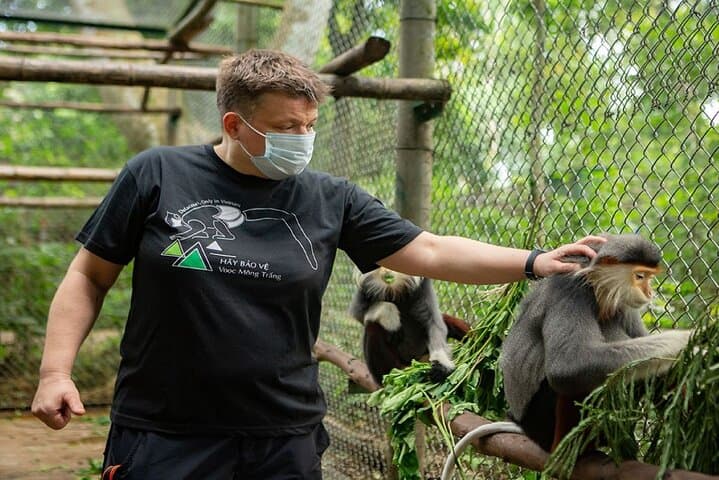
Cúc Phương is Vietnam’s first national park, established in 1962, carved into a karst landscape that holds 200–300 million year old limestone and a human record stretching back millennia. The park is best known for its Endangered Primate Rescue Center, where rescued langurs and gibbons receive care, and for the Cave of Prehistoric Man where archaeologists found tools and human remains dating over 7,000 years.
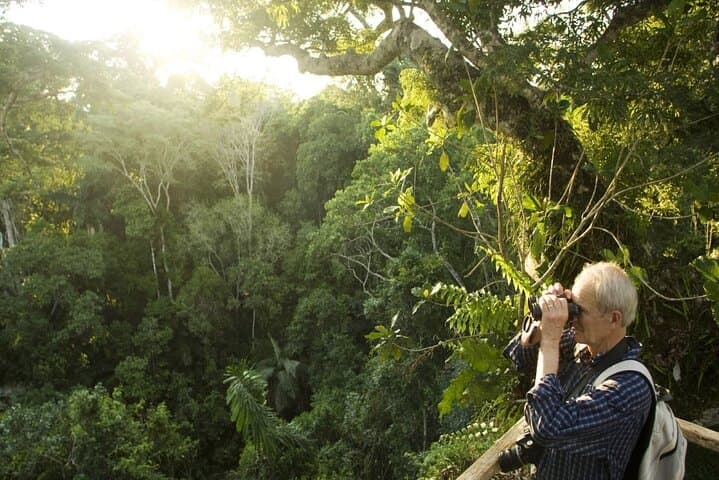
The afternoon trek follows jungle tracks through dip slopes and gullies: expect 4–6 km of walking on uneven, often muddy terrain with roughly 100–250 m of cumulative elevation change as you reach ancient trees and limestone outcrops. The canopy gives way to pockets of sunlight where orchids and ferns cling to rock.
Practical notes: the route is tropical—bring sturdy hiking shoes, insect repellent, and a lightweight rain jacket. There’s a simple stilt-house restaurant for lunch (cash), basic facilities at the park center, and the guide will brief you on wildlife etiquette—no feeding or sudden movements around primates. The full tour is a long day (about 10–11 hours including transfers), but it’s an efficient way to pair hands-on conservation insight with a compact jungle trek.
moderate.
10–11 hours.
Good for travelers who can walk 4–6 km on uneven jungle trails and handle multiple hours in humid conditions
The transfer is about 130 km each way and typically takes roughly 2.5 hours one-way depending on traffic.
Lunch at the park stilt-house is not included; plan on paying around US$9–12 per person and there are vegetarian options.
The tour recommends moderate fitness; it’s not recommended for travelers with serious spinal issues or for pregnant travelers—check with the operator for child policies.
Yes, the Endangered Primate Rescue Center offers controlled viewing of rescued langurs and gibbons, but contact is prohibited and sightings in the wild are not guaranteed.
Cúc Phương was designated Vietnam’s first national park in 1962 and contains archaeological sites with human artifacts dated to around 7,500 years ago.
The park hosts rehabilitation programs like the Endangered Primate Rescue Center; visitors are asked to stay on trails, avoid feeding wildlife, and minimize waste to support conservation efforts.
Paradise Indochina Travel operates guided outdoor trips and adventures with an emphasis on safety, stewardship, and memorable experiences.

You leave Hanoi before sunrise and the highway slides under your wheels for 130 km; rice paddies thin into low limestone ridges and the air grows humid and green. By mid-morning the van pulls into the shaded park entrance and the forest immediately swallows sound—the kind of quiet interrupted only by birds and the distant calls of langurs.
You leave Hanoi before sunrise and the highway slides under your wheels for 130 km; rice paddies thin into low limestone ridges and the air grows humid and green. By mid-morning the van pulls into the shaded park entrance and the forest immediately swallows sound—the kind of quiet interrupted only by birds and the distant calls of langurs.
Cúc Phương is Vietnam’s first national park, established in 1962, carved into a karst landscape that holds 200–300 million year old limestone and a human record stretching back millennia. The park is best known for its Endangered Primate Rescue Center, where rescued langurs and gibbons receive care, and for the Cave of Prehistoric Man where archaeologists found tools and human remains dating over 7,000 years.
The afternoon trek follows jungle tracks through dip slopes and gullies: expect 4–6 km of walking on uneven, often muddy terrain with roughly 100–250 m of cumulative elevation change as you reach ancient trees and limestone outcrops. The canopy gives way to pockets of sunlight where orchids and ferns cling to rock.
Practical notes: the route is tropical—bring sturdy hiking shoes, insect repellent, and a lightweight rain jacket. There’s a simple stilt-house restaurant for lunch (cash), basic facilities at the park center, and the guide will brief you on wildlife etiquette—no feeding or sudden movements around primates. The full tour is a long day (about 10–11 hours including transfers), but it’s an efficient way to pair hands-on conservation insight with a compact jungle trek.