THE ADVENTURE COLLECTIVE® · Independent discovery and booking for outdoor travel

Head northwest from Beijing into the Jingxi mountains to explore Cuandixia’s 400-year-old courtyards, narrow stone lanes and countryside lunch with a local family. This private day trip offers history, architecture and an easy mountain drive.
Head northwest from Beijing into the Jingxi mountains to explore Cuandixia’s 400-year-old courtyards, narrow stone lanes and countryside lunch with a local family. This private day trip offers history, architecture and an easy mountain drive.
By midmorning the highway thins and Beijing’s skyline slips behind you — a private vehicle threads narrow valleys toward the Jingxi mountains. The road climbs, pines close in, and stone courtyards begin to step up the hillside: this is Cuandixia, a cluster of roughly 70 Ming- and Qing-era homes where slate roofs and brick lanes keep the rhythm of an older China.
Verified experiences and guided adventures in the surrounding area.
Operated by Discover Beijing Tours · Beijing, Beijing
By midmorning the highway thins and Beijing’s skyline slips behind you — a private vehicle threads narrow valleys toward the Jingxi mountains. The road climbs, pines close in, and stone courtyards begin to step up the hillside: this is Cuandixia, a cluster of roughly 70 Ming- and Qing-era homes where slate roofs and brick lanes keep the rhythm of an older China.
The village was founded by the Han clan in the Ming dynasty and later prospered on coal, fur and grain trade. Local legend credits Han Shoude, who resembled the Kangxi Emperor, for helping fund several of the grand courtyards; the architecture still shows defensive layouts and carved wooden doors typical of northern courtyard villages. Geologically the area is the lower Jingxi range — modest granite and schist outcrops, terraced rock faces and narrow gullies that channel seasonal streams.
Cultural life here moves at walking pace: friendly households run small restaurants, courtyards double as craft spaces, and alleyways offer framed views of terraces and distant ridgelines. The tour includes a countryside-style lunch in a local family restaurant and an English-speaking guide to explain clan symbols and building techniques.
Practical notes: expect a 2–2.5 hour drive each way from central Beijing and a full 6–8 hour day. Wear sturdy shoes for uneven cobbles, carry sun protection and a light layer for mountain breeze. Bring some cash for handicrafts and keep noise low around private homes. The route is suitable for most fitness levels and provides a focused, accessible window into rural Beijing history and everyday village life.
easy.
6–8 hours.
Suitable for most fitness levels; involves short, easy walks on uneven cobbles and steps.
The drive to Cuandixia is typically about 2–2.5 hours each way from central Beijing; the total tour lasts roughly 6–8 hours.
Yes — the tour includes a countryside-style lunch at a local family restaurant and bottled water.
Pickup is included for hotels within the 5th Ring Road; hotels outside that area may require a meeting point or an extra charge.
Infants and small children can use strollers on flatter sections, but many alleyways have steps and uneven cobbles; infant seats are available for the vehicle.
Founded during the Ming dynasty by migrants from Shanxi, Cuandixia prospered through trade on mountain post roads and retains many clan courtyards and carved wooden details.
The village depends on careful tourism — stick to marked paths, avoid littering and support local eateries and crafts to help sustain preservation efforts.
Discover Beijing Tours operates guided outdoor trips and adventures with an emphasis on safety, stewardship, and memorable experiences.

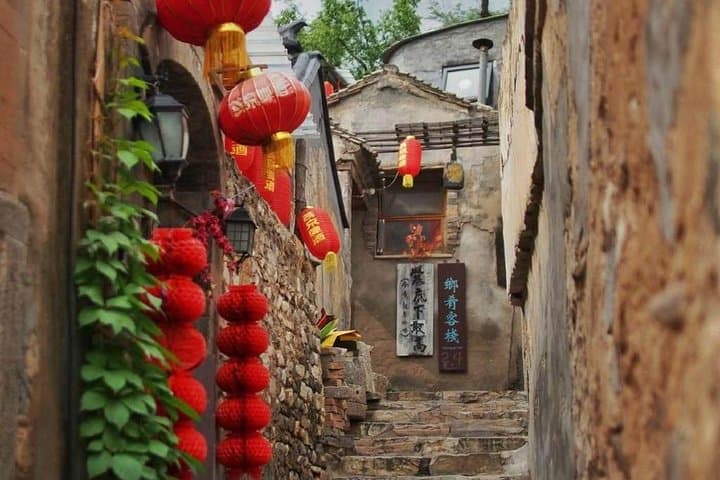

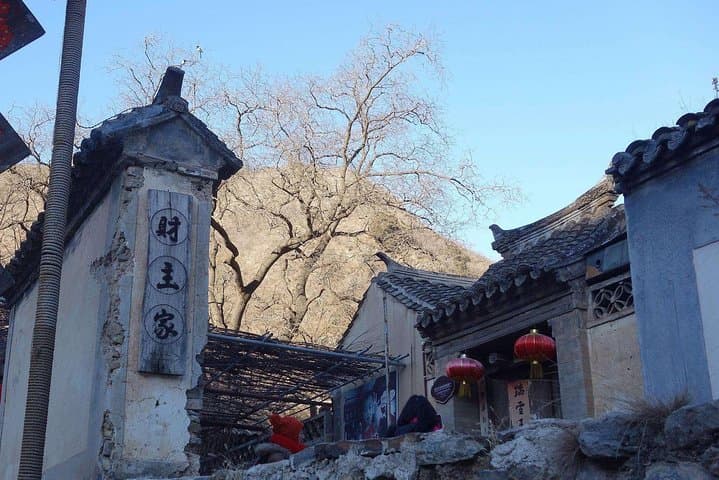
By midmorning the highway thins and Beijing’s skyline slips behind you — a private vehicle threads narrow valleys toward the Jingxi mountains. The road climbs, pines close in, and stone courtyards begin to step up the hillside: this is Cuandixia, a cluster of roughly 70 Ming- and Qing-era homes where slate roofs and brick lanes keep the rhythm of an older China.
By midmorning the highway thins and Beijing’s skyline slips behind you — a private vehicle threads narrow valleys toward the Jingxi mountains. The road climbs, pines close in, and stone courtyards begin to step up the hillside: this is Cuandixia, a cluster of roughly 70 Ming- and Qing-era homes where slate roofs and brick lanes keep the rhythm of an older China.
The village was founded by the Han clan in the Ming dynasty and later prospered on coal, fur and grain trade. Local legend credits Han Shoude, who resembled the Kangxi Emperor, for helping fund several of the grand courtyards; the architecture still shows defensive layouts and carved wooden doors typical of northern courtyard villages. Geologically the area is the lower Jingxi range — modest granite and schist outcrops, terraced rock faces and narrow gullies that channel seasonal streams.
Cultural life here moves at walking pace: friendly households run small restaurants, courtyards double as craft spaces, and alleyways offer framed views of terraces and distant ridgelines. The tour includes a countryside-style lunch in a local family restaurant and an English-speaking guide to explain clan symbols and building techniques.
Practical notes: expect a 2–2.5 hour drive each way from central Beijing and a full 6–8 hour day. Wear sturdy shoes for uneven cobbles, carry sun protection and a light layer for mountain breeze. Bring some cash for handicrafts and keep noise low around private homes. The route is suitable for most fitness levels and provides a focused, accessible window into rural Beijing history and everyday village life.