THE ADVENTURE COLLECTIVE® · Independent discovery and booking for outdoor travel

Escape Beijing for a full-day private tour to Cuandixia, a well-preserved Ming-era mountain village, and the centuries-old Tanzhe Temple in the Western Hills. Expect steep stone alleys, family-run lunches, and layered temple architecture — all reached by a scenic 2.5-hour drive northwest of the city.
Escape Beijing for a full-day private tour to Cuandixia, a well-preserved Ming-era mountain village, and the centuries-old Tanzhe Temple in the Western Hills. Expect steep stone alleys, family-run lunches, and layered temple architecture — all reached by a scenic 2.5-hour drive northwest of the city.
The day starts on a highway that shrinks into a ridge-lined road, and the car eases into a valley where grey stone houses sit like records of another century. Wind pushes through narrow lanes and seems to test the mortar between stacked stone; wooden lattices and courtyard gates open onto steep alleys where the village keeps its quiet pace.
Verified experiences and guided adventures in the surrounding area.
Operated by Beijing Tour Guide · Cuandixia Village, Beijing
The day starts on a highway that shrinks into a ridge-lined road, and the car eases into a valley where grey stone houses sit like records of another century. Wind pushes through narrow lanes and seems to test the mortar between stacked stone; wooden lattices and courtyard gates open onto steep alleys where the village keeps its quiet pace.
Cuandixia dates to the early Ming (1403–1424) and served as a waystation on mountain trade routes — the architecture is pragmatic: defensive courtyards, thick walls, and steep roofs shaped by winter snows and seasonal winds. The nearby Western Hills are granite and schist, folded and exposed by millennia of uplift; they shape local microclimates and channel the small streams that once fed village wells.
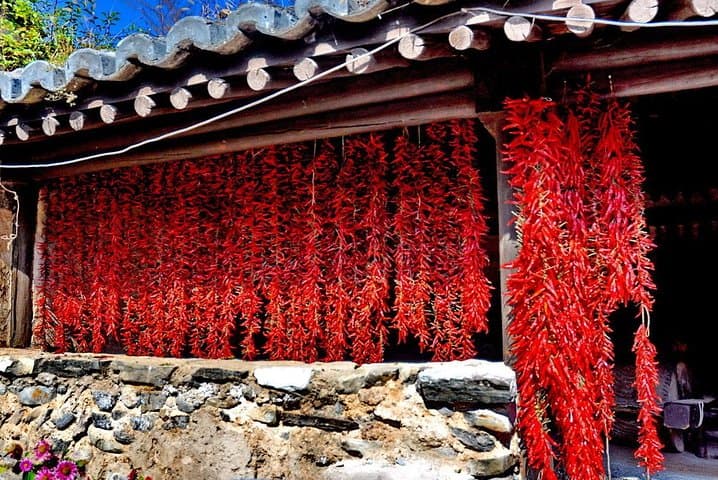
Culture here is domestic and hands-on: family-run restaurants serving country-style pork and liangpi noodles, stone carvers, and residents who maintain old courtyard rhythms. Tanzhe Temple, higher on the western slopes, offers layered temple architecture from Jin through Qing dynasties and a quietness that presses the visitor into a slower tempo.
Practical guidance: start early — the round-trip drive is roughly 2.5 hours each way from central Beijing, and the full tour runs about nine hours. Wear comfortable walking shoes for uneven stone alleys and bring windproof layers for higher elevations. Carry a refillable water bottle (bottled water is provided) and some cash for small purchases. Be respectful at religious sites: modest dress and quiet photography in prayer areas are standard. With a private guide and transport included, the day is best for travelers who want cultural depth without strenuous hiking.
easy.
9 hours.
Light walking on uneven stone streets; suitable for most fitness levels but not ideal for those unable to climb stairs or handle uneven terrain.
Yes — private hotel pickup and drop-off in Beijing are included in the tour price.
Yes — entrance fees to Cuandixia and Tanzhe Temple and an authentic country-style lunch are included.
The operator lists wheelchair accessibility, but many village lanes and some temple areas have steps — confirm specific mobility needs at booking.
Vegetarian options are available; advise any dietary restrictions at booking so the local restaurant can prepare accordingly.
Cuandixia was established during the Ming Dynasty (early 1400s) and functioned as a mountain trade post; many surviving courtyards date to Ming and Qing periods.
Visit with low impact: avoid buying architectural relics, stick to marked paths, and support local eateries to keep economic benefits within the village.
Beijing Tour Guide operates guided outdoor trips and adventures with an emphasis on safety, stewardship, and memorable experiences.

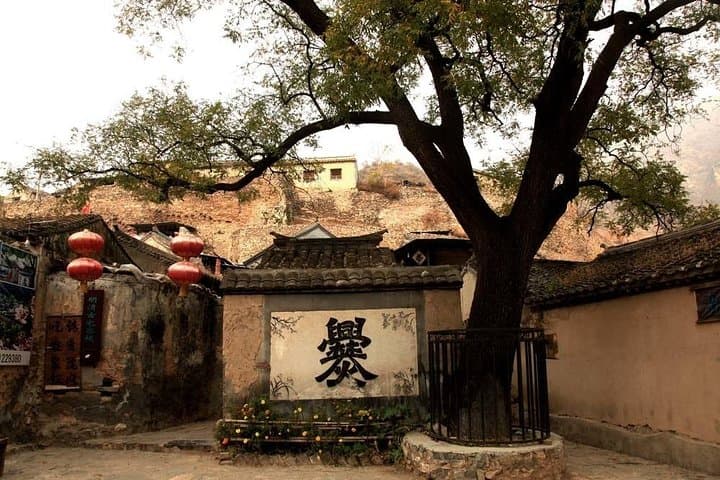
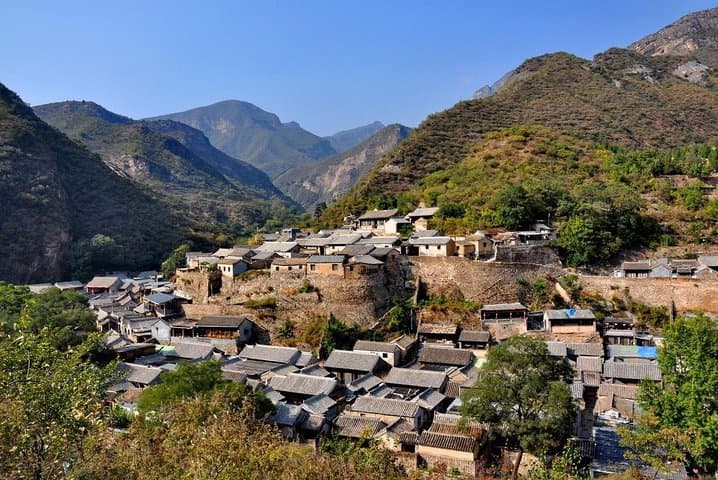
The day starts on a highway that shrinks into a ridge-lined road, and the car eases into a valley where grey stone houses sit like records of another century. Wind pushes through narrow lanes and seems to test the mortar between stacked stone; wooden lattices and courtyard gates open onto steep alleys where the village keeps its quiet pace.
The day starts on a highway that shrinks into a ridge-lined road, and the car eases into a valley where grey stone houses sit like records of another century. Wind pushes through narrow lanes and seems to test the mortar between stacked stone; wooden lattices and courtyard gates open onto steep alleys where the village keeps its quiet pace.
Cuandixia dates to the early Ming (1403–1424) and served as a waystation on mountain trade routes — the architecture is pragmatic: defensive courtyards, thick walls, and steep roofs shaped by winter snows and seasonal winds. The nearby Western Hills are granite and schist, folded and exposed by millennia of uplift; they shape local microclimates and channel the small streams that once fed village wells.
Culture here is domestic and hands-on: family-run restaurants serving country-style pork and liangpi noodles, stone carvers, and residents who maintain old courtyard rhythms. Tanzhe Temple, higher on the western slopes, offers layered temple architecture from Jin through Qing dynasties and a quietness that presses the visitor into a slower tempo.
Practical guidance: start early — the round-trip drive is roughly 2.5 hours each way from central Beijing, and the full tour runs about nine hours. Wear comfortable walking shoes for uneven stone alleys and bring windproof layers for higher elevations. Carry a refillable water bottle (bottled water is provided) and some cash for small purchases. Be respectful at religious sites: modest dress and quiet photography in prayer areas are standard. With a private guide and transport included, the day is best for travelers who want cultural depth without strenuous hiking.