THE ADVENTURE COLLECTIVE® · Independent discovery and booking for outdoor travel

Leave Ho Chi Minh’s bustle for rubber-tree roads and an underground network that taught guerrilla survival. Crawl narrow galleries, watch wartime footage, and taste guerrilla-era tapioca on this 6–7 hour small-group tour.
Leave Ho Chi Minh’s bustle for rubber-tree roads and an underground network that taught guerrilla survival. Crawl narrow galleries, watch wartime footage, and taste guerrilla-era tapioca on this 6–7 hour small-group tour.
The air cools as the van leaves Ho Chi Minh’s traffic and the city’s roar thins into rows of rubber trees and rice paddies. At the Cu Chi site you step from sunlight into dappled shade, and a low, dark aperture in the earth dares you to go inside.
Verified experiences and guided adventures in the surrounding area.
Operated by Saigon Homies Tours · Cu Chi, Ho Chi Minh
The air cools as the van leaves Ho Chi Minh’s traffic and the city’s roar thins into rows of rubber trees and rice paddies. At the Cu Chi site you step from sunlight into dappled shade, and a low, dark aperture in the earth dares you to go inside.
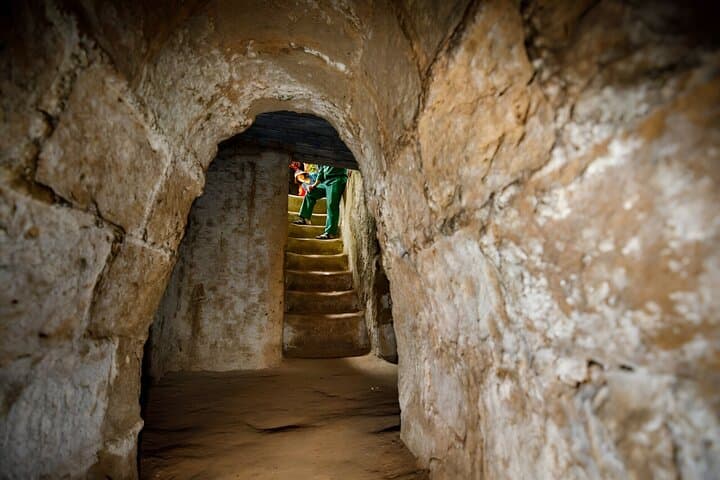
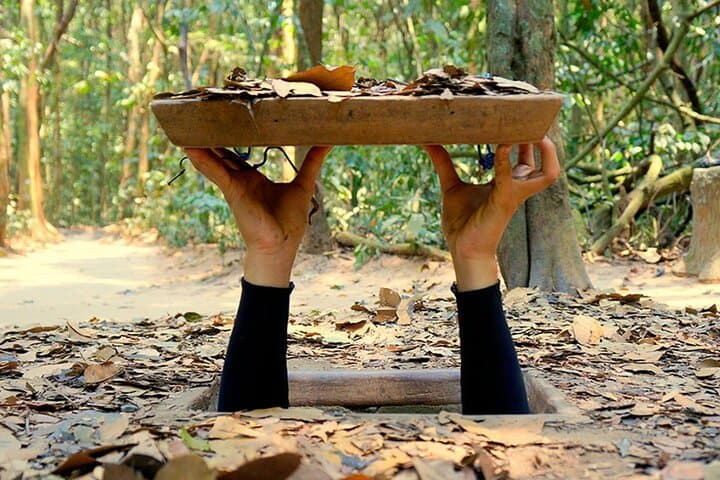
This underground maze—expanded and reworked between the 1940s and 1970s—was both bunker and village. Guides explain improvised ventilation, trap doors, and the Hoang Cam smokeless stove while archival footage plays in a small museum room. Geology here is pliable alluvial soil that made hand-dug galleries possible but also required constant maintenance and camouflage.
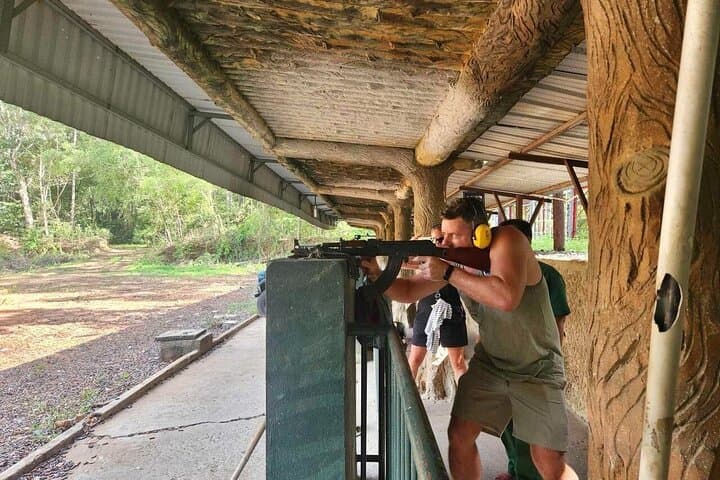
Culturally the tunnels are a visceral classroom: local stories, wartime ingenuity, and a taste of boiled tapioca served the way guerrillas ate it. The site includes restored sections you can crawl through to feel the tightness and claustrophobia of wartime movement; other areas preserve exhibits and weapon displays, including an optional live-fire range.
Practical notes: tours run about 6–7 hours including hotel pickup and return to Ho Chi Minh City, with rough paths and low-ceiling tunnel sections that require bending or crawling. Wear closed-toe shoes, bring water, and plan for heat—mornings are cooler and crowds lighter. Photography is allowed in most outdoor areas but follow guide directions inside tunnels. Respect the site: fragile displays and restored tunnels are preserved for education, so avoid touching fragile structures.
This is a hands-on history experience—less a scenic hike than an active cultural visit—that rewards curiosity and basic physical readiness.
moderate.
6–7 hours.
Suitable for people who can walk on uneven ground and crouch or crawl short distances; not strenuous but requires mobility.
Most departures last about 6–7 hours and include pickup and drop-off from central Ho Chi Minh City hotels.
Some tunnel sections require crouching or crawling; there are surface exhibits that explain the tunnels for visitors who prefer not to enter.
Yes—live-fire at the on-site range is an optional add-on and is supervised; participants must meet age and safety requirements set by the operator.
Children can join, but parents should assess tunnel sections for safety and comfort; infants are usually required to sit on laps during transfer.
The tunnels were expanded into a vast guerrilla complex during decades of conflict and used for living quarters, hospitals, storage and surprise attacks.
The site balances tourism with preservation—stick to marked paths, don’t touch fragile tunnel walls, and support local guides who help maintain exhibits.
Saigon Homies Tours operates guided outdoor trips and adventures with an emphasis on safety, stewardship, and memorable experiences.

The air cools as the van leaves Ho Chi Minh’s traffic and the city’s roar thins into rows of rubber trees and rice paddies. At the Cu Chi site you step from sunlight into dappled shade, and a low, dark aperture in the earth dares you to go inside.
The air cools as the van leaves Ho Chi Minh’s traffic and the city’s roar thins into rows of rubber trees and rice paddies. At the Cu Chi site you step from sunlight into dappled shade, and a low, dark aperture in the earth dares you to go inside.
This underground maze—expanded and reworked between the 1940s and 1970s—was both bunker and village. Guides explain improvised ventilation, trap doors, and the Hoang Cam smokeless stove while archival footage plays in a small museum room. Geology here is pliable alluvial soil that made hand-dug galleries possible but also required constant maintenance and camouflage.
Culturally the tunnels are a visceral classroom: local stories, wartime ingenuity, and a taste of boiled tapioca served the way guerrillas ate it. The site includes restored sections you can crawl through to feel the tightness and claustrophobia of wartime movement; other areas preserve exhibits and weapon displays, including an optional live-fire range.
Practical notes: tours run about 6–7 hours including hotel pickup and return to Ho Chi Minh City, with rough paths and low-ceiling tunnel sections that require bending or crawling. Wear closed-toe shoes, bring water, and plan for heat—mornings are cooler and crowds lighter. Photography is allowed in most outdoor areas but follow guide directions inside tunnels. Respect the site: fragile displays and restored tunnels are preserved for education, so avoid touching fragile structures.
This is a hands-on history experience—less a scenic hike than an active cultural visit—that rewards curiosity and basic physical readiness.