THE ADVENTURE COLLECTIVE® · Independent discovery and booking for outdoor travel

Combine wartime history with slow river life on a full-day from Ho Chi Minh City. Explore the subterranean Cu Chi Tunnels in the morning then cruise, cycle and sample sweets in the Mekong Delta in the afternoon.
Combine wartime history with slow river life on a full-day from Ho Chi Minh City. Explore the subterranean Cu Chi Tunnels in the morning then cruise, cycle and sample sweets in the Mekong Delta in the afternoon.
The bus eases out of Ho Chi Minh City at dawn and the roadside morphs from concrete sprawl to rice paddies and orchards. By the time you reach Cu Chi, the heat presses against the metal signage and the earth itself seems to hold the memory of distant footsteps—soldiers, villagers, and the quiet mechanics of survival.
Verified experiences and guided adventures in the surrounding area.
Operated by Cu Chi Tunnels Tours · Ho Chi Minh City, Ho Chi Minh City
The bus eases out of Ho Chi Minh City at dawn and the roadside morphs from concrete sprawl to rice paddies and orchards. By the time you reach Cu Chi, the heat presses against the metal signage and the earth itself seems to hold the memory of distant footsteps—soldiers, villagers, and the quiet mechanics of survival.
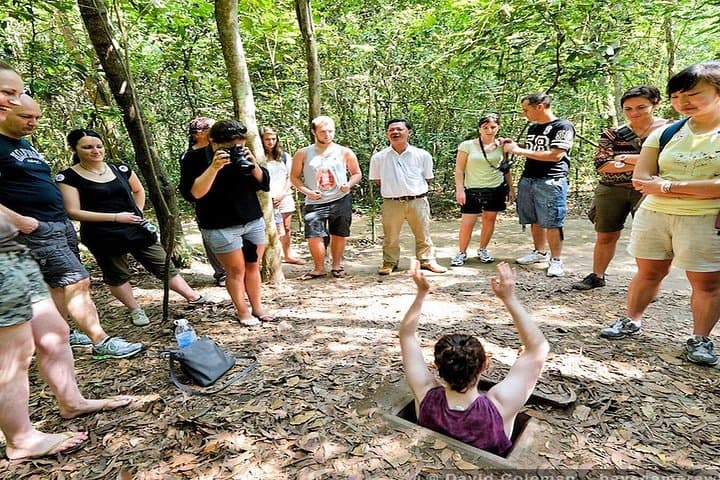
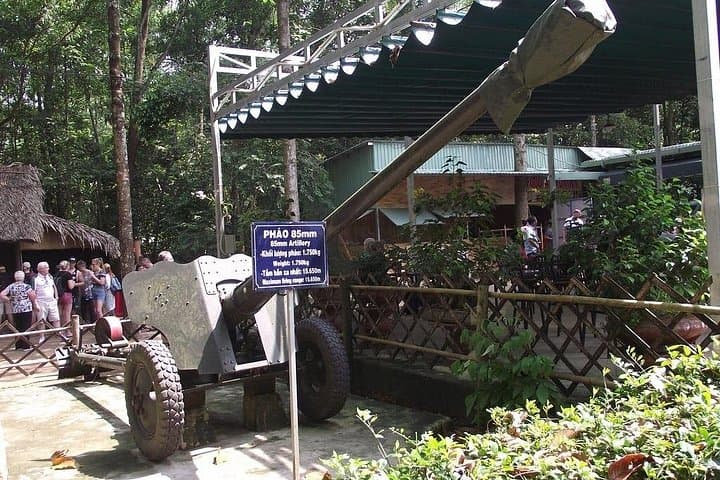
At Cu Chi, a short film and angled displays explain the tunnels’ improvisational engineering: narrow galleries, hidden trapdoors, improvised kitchens and field hospitals carved into lateritic soil. The geology here—sandy topsoil over clay—made tunneling possible and also fragile; many sections are reinforced for visitors.
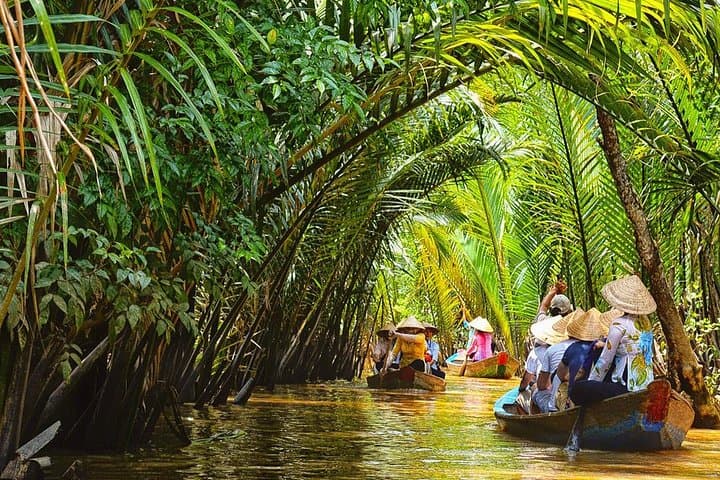
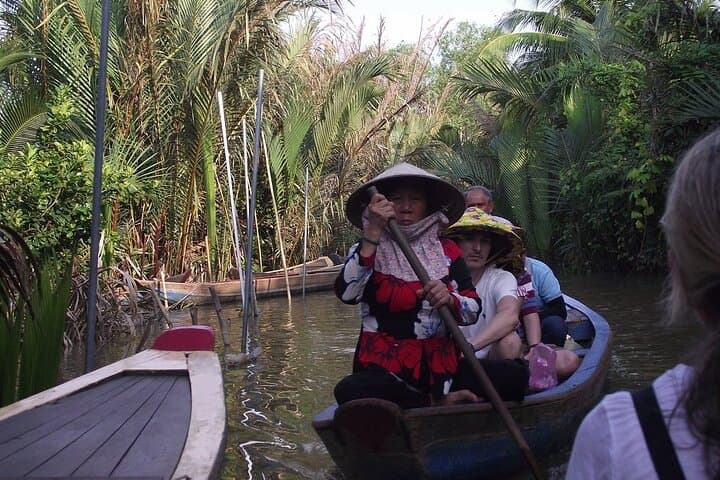
After lunch, the tour pivots south to My Tho and the Tien River, where sampans thread sleepy canals past four small islands named Dragon, Unicorn, Phoenix and Tortoise. Cyclists pedal beside coconut groves, and local workshops press coconut candy while musicians perform Southern folk songs. The Mekong’s current nudges you forward; its riverbanks show a working countryside shaped by rice, orchards and ferries.
Practical notes: the full-day trip runs about eight hours with hotel pickup in Ho Chi Minh City, moderate walking on uneven earth and short boardwalks on the delta islands. Wear closed-toe shoes for the tunnels, bring sun protection for boat stretches, and carry local currency for small purchases. Photography is allowed in many outdoor areas but restricted inside deeper tunnel sections. Plan for humid conditions year-round and a possible short rain shower in the wet season—pack a lightweight rain shell. This combo tour balances wartime history with rural river life, giving a compact but textured view of southern Vietnam.
easy.
8 hours.
Suitable for general fitness; involves some stooping, short climbs and light cycling—no sustained exertion required.
The tour is approximately eight hours and typically includes hotel pickup and drop-off within Ho Chi Minh City as part of the itinerary.
Yes—visitor areas are reinforced, short sections allow crawling, and guides explain where to enter; those with claustrophobia or limited mobility should avoid tight sections.
Lunch at a local restaurant is included; indicate dietary restrictions at booking so the operator can attempt accommodations.
Photography is allowed in many outdoor and boat areas; deeper or narrow tunnel sections may restrict cameras—follow posted rules and staff instructions.
Cu Chi’s tunnels were expanded over decades as an underground network used for shelter, logistics and operations during the mid-20th-century conflicts; the Mekong Delta evolved as a trade and rice-producing region with a long riverine culture.
Tourism places pressure on fragile soils and small island ecosystems—stick to marked trails, avoid littering and support locally run workshops to channel benefits to communities.
Cu Chi Tunnels Tours operates guided outdoor trips and adventures with an emphasis on safety, stewardship, and memorable experiences.
The bus eases out of Ho Chi Minh City at dawn and the roadside morphs from concrete sprawl to rice paddies and orchards. By the time you reach Cu Chi, the heat presses against the metal signage and the earth itself seems to hold the memory of distant footsteps—soldiers, villagers, and the quiet mechanics of survival.
The bus eases out of Ho Chi Minh City at dawn and the roadside morphs from concrete sprawl to rice paddies and orchards. By the time you reach Cu Chi, the heat presses against the metal signage and the earth itself seems to hold the memory of distant footsteps—soldiers, villagers, and the quiet mechanics of survival.
At Cu Chi, a short film and angled displays explain the tunnels’ improvisational engineering: narrow galleries, hidden trapdoors, improvised kitchens and field hospitals carved into lateritic soil. The geology here—sandy topsoil over clay—made tunneling possible and also fragile; many sections are reinforced for visitors.
After lunch, the tour pivots south to My Tho and the Tien River, where sampans thread sleepy canals past four small islands named Dragon, Unicorn, Phoenix and Tortoise. Cyclists pedal beside coconut groves, and local workshops press coconut candy while musicians perform Southern folk songs. The Mekong’s current nudges you forward; its riverbanks show a working countryside shaped by rice, orchards and ferries.
Practical notes: the full-day trip runs about eight hours with hotel pickup in Ho Chi Minh City, moderate walking on uneven earth and short boardwalks on the delta islands. Wear closed-toe shoes for the tunnels, bring sun protection for boat stretches, and carry local currency for small purchases. Photography is allowed in many outdoor areas but restricted inside deeper tunnel sections. Plan for humid conditions year-round and a possible short rain shower in the wet season—pack a lightweight rain shell. This combo tour balances wartime history with rural river life, giving a compact but textured view of southern Vietnam.