THE ADVENTURE COLLECTIVE® · Independent discovery and booking for outdoor travel

Spend a full day traveling from Saigon’s colonial core to the Cu Chi Tunnels—an immersive, private tour that pairs wartime history with city highlights. Expect tight tunnel sections, museum exhibits, and practical tips for a long, memorable day.
Spend a full day traveling from Saigon’s colonial core to the Cu Chi Tunnels—an immersive, private tour that pairs wartime history with city highlights. Expect tight tunnel sections, museum exhibits, and practical tips for a long, memorable day.
You step out of the air-conditioned van onto cracked red earth, the city’s diesel hum left behind, and the jungle—thick with rubber trees and thorny scrub—seems to close around an entrance barely taller than a person. A guide gestures toward a small, camouflaged aperture and, for a moment, the war’s logistics feel immediate: narrow shafts, hidden rooms, and the economy of space that kept people alive underground.
Verified experiences and guided adventures in the surrounding area.
Operated by Serenity Tour · Ho Chi Minh City, Ho Chi Minh
You step out of the air-conditioned van onto cracked red earth, the city’s diesel hum left behind, and the jungle—thick with rubber trees and thorny scrub—seems to close around an entrance barely taller than a person. A guide gestures toward a small, camouflaged aperture and, for a moment, the war’s logistics feel immediate: narrow shafts, hidden rooms, and the economy of space that kept people alive underground.
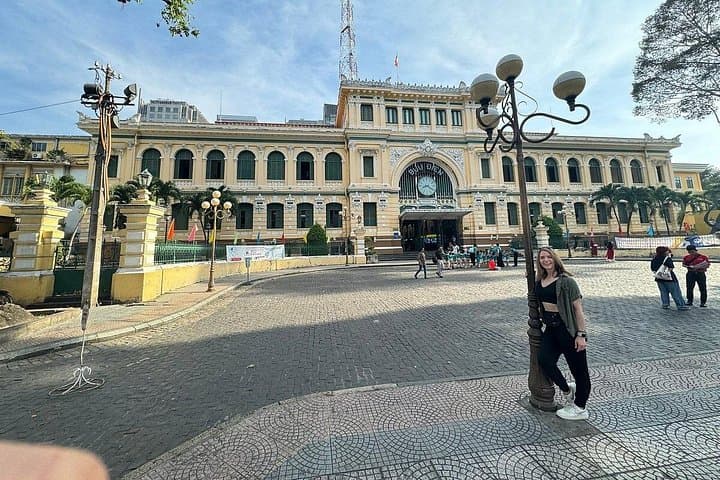
The Cu Chi network began as simple trenches and grew into an engineered subterranean community used during the Vietnam War. The nearby plains and sedimentary soil made digging feasible; layered laterite and alluvial deposits also explain why tunnels stayed dry in some sectors and fragile in others. Returning to Ho Chi Minh City, French colonial architecture—the red bricks of the cathedral, the vaulted hall of the Central Post Office, the modern hum around Dong Khoi—creates a sharp cultural contrast to the tunnels’ austere history.
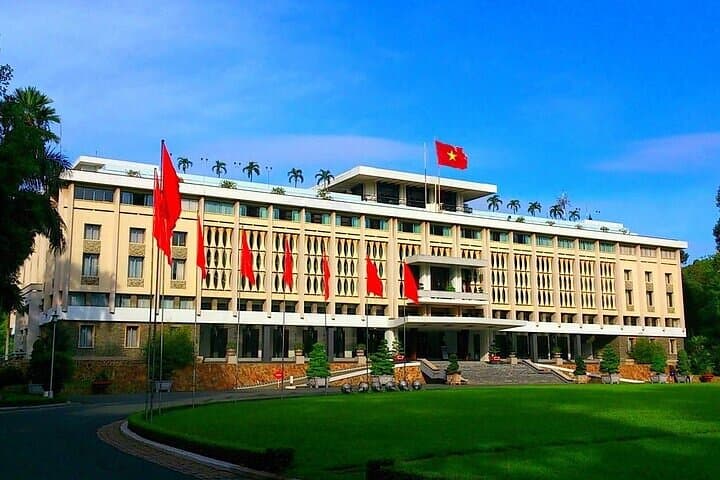
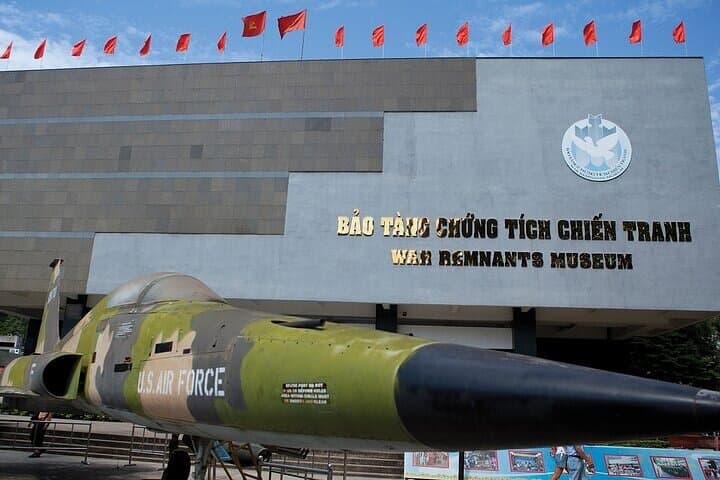
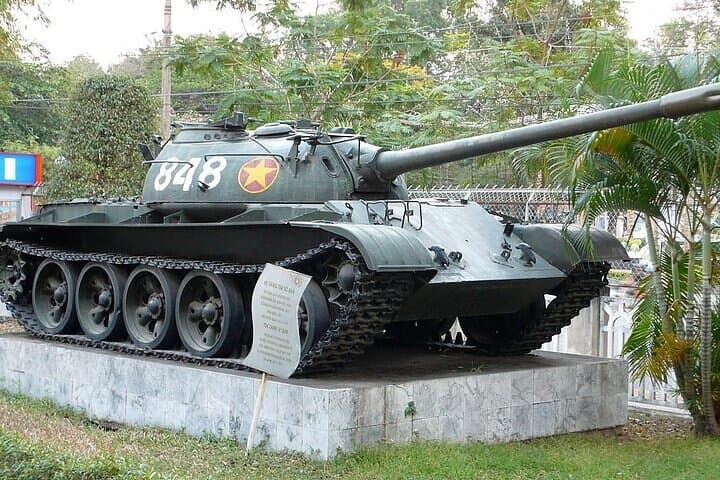
Expect a long, purposeful day: about 9–10 hours that blends museum rooms, palace halls, and cramped wartime passages. Sensory details matter—dusty sunlight on tank scars, the metallic echo in museum galleries, the cool, damp air in a tunnel crawlspace. Guides provide context on tactics, civilian resilience, and postwar recovery.
Practical guidance: wear closed-toe shoes, carry water and a small towel, and plan for humidity and occasional rain. If you’re claustrophobic or have back problems, ask to remain at surface exhibits—the tour has accessible viewing areas. Morning departures avoid peak traffic and intense afternoon heat; photographic opportunities are best in soft light at the site perimeter rather than inside the narrow galleries.
moderate.
9–10 hours.
Good for travelers who can walk several kilometers, crouch briefly, and handle a full day of standing and museum visits.
Expect about 9–10 hours including hotel pickup in District 1, the drive to Cu Chi, site visits, lunch, and downtown stops before return.
Children can visit, but some tunnel sections are narrowed or modified; supervisors should decide based on age and comfort with tight spaces.
Yes—pickup and drop-off in District 1 are included; confirm your exact meeting location when booking.
Many sections are preserved or widened for visitors; while safe for tourists, some original areas remain fragile and are closed to protect guests and the site.
The Cu Chi network evolved from simple resistance trenches into a multi-level subterranean system that supported fighters and civilians during prolonged conflict; Ho Chi Minh City’s central landmarks reflect layers of French colonial, wartime, and modern eras.
Site managers limit access to fragile tunnel sections and emphasize low-impact visitation; stay on paths, avoid littering, and follow guide instructions to preserve both artifacts and habitat.
Serenity Tour operates guided outdoor trips and adventures with an emphasis on safety, stewardship, and memorable experiences.
You step out of the air-conditioned van onto cracked red earth, the city’s diesel hum left behind, and the jungle—thick with rubber trees and thorny scrub—seems to close around an entrance barely taller than a person. A guide gestures toward a small, camouflaged aperture and, for a moment, the war’s logistics feel immediate: narrow shafts, hidden rooms, and the economy of space that kept people alive underground.
You step out of the air-conditioned van onto cracked red earth, the city’s diesel hum left behind, and the jungle—thick with rubber trees and thorny scrub—seems to close around an entrance barely taller than a person. A guide gestures toward a small, camouflaged aperture and, for a moment, the war’s logistics feel immediate: narrow shafts, hidden rooms, and the economy of space that kept people alive underground.
The Cu Chi network began as simple trenches and grew into an engineered subterranean community used during the Vietnam War. The nearby plains and sedimentary soil made digging feasible; layered laterite and alluvial deposits also explain why tunnels stayed dry in some sectors and fragile in others. Returning to Ho Chi Minh City, French colonial architecture—the red bricks of the cathedral, the vaulted hall of the Central Post Office, the modern hum around Dong Khoi—creates a sharp cultural contrast to the tunnels’ austere history.
Expect a long, purposeful day: about 9–10 hours that blends museum rooms, palace halls, and cramped wartime passages. Sensory details matter—dusty sunlight on tank scars, the metallic echo in museum galleries, the cool, damp air in a tunnel crawlspace. Guides provide context on tactics, civilian resilience, and postwar recovery.
Practical guidance: wear closed-toe shoes, carry water and a small towel, and plan for humidity and occasional rain. If you’re claustrophobic or have back problems, ask to remain at surface exhibits—the tour has accessible viewing areas. Morning departures avoid peak traffic and intense afternoon heat; photographic opportunities are best in soft light at the site perimeter rather than inside the narrow galleries.