THE ADVENTURE COLLECTIVE® · Independent discovery and booking for outdoor travel

Explore the Cu Chi tunnel network and Ho Chi Minh City in a single full-day tour. Crawl preserved wartime tunnels, then switch gears to French-colonial architecture and bustling markets—ideal for history-minded travelers who prefer a practical, on-the-ground experience.
Explore the Cu Chi tunnel network and Ho Chi Minh City in a single full-day tour. Crawl preserved wartime tunnels, then switch gears to French-colonial architecture and bustling markets—ideal for history-minded travelers who prefer a practical, on-the-ground experience.
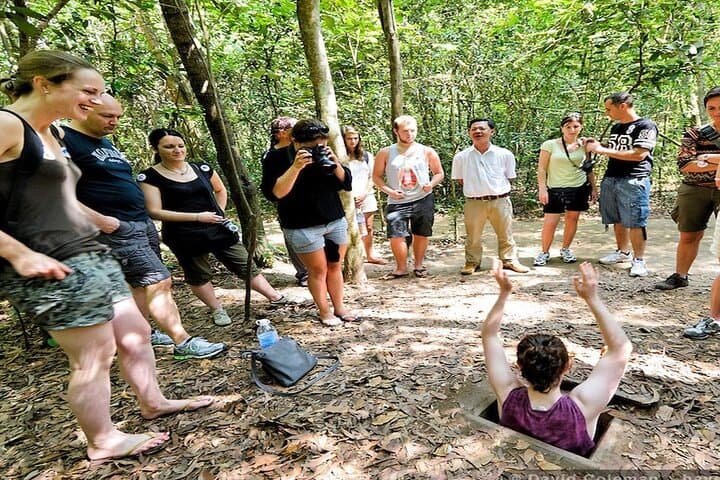
You step off the air-conditioned minivan into a thin, humid light and the jungle seems to hold its breath—roots clutching at concrete slabs, banyan leaves whispering above. At Cu Chi the forest itself feels purposeful, a living cloak that once hid a maze of tunnels beneath your feet. Crawling into a low, narrow passage you feel history press close: cramped, clever, and relentlessly practical.
Verified experiences and guided adventures in the surrounding area.
Operated by Southern Horizon Travel · Ho Chi Minh City, Ho Chi Minh
You step off the air-conditioned minivan into a thin, humid light and the jungle seems to hold its breath—roots clutching at concrete slabs, banyan leaves whispering above. At Cu Chi the forest itself feels purposeful, a living cloak that once hid a maze of tunnels beneath your feet. Crawling into a low, narrow passage you feel history press close: cramped, clever, and relentlessly practical.
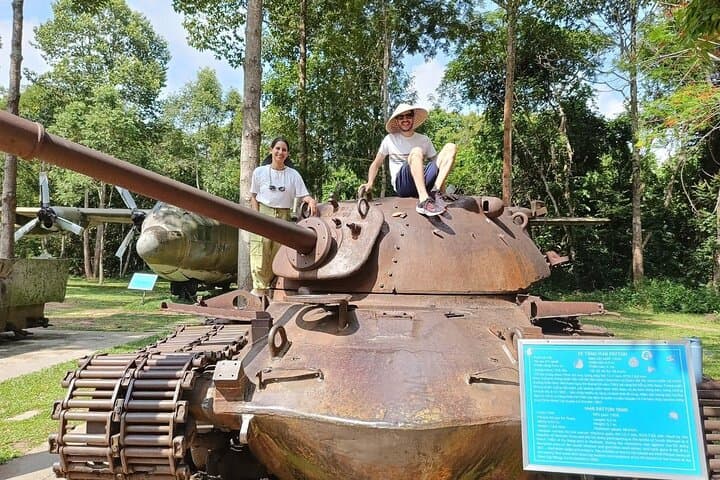
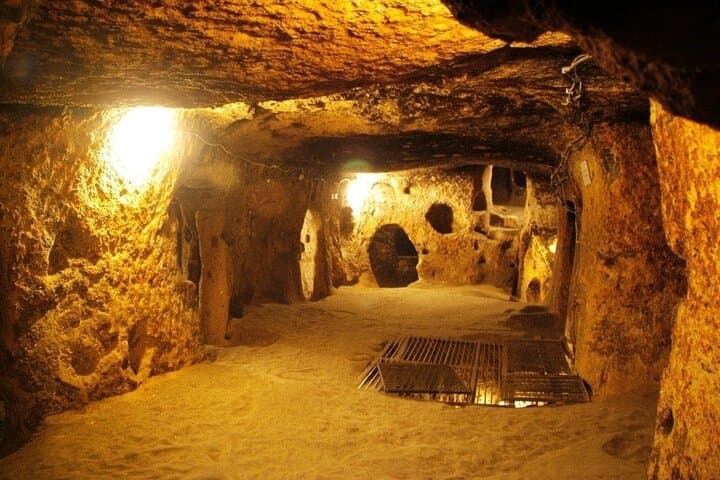
The Cu Chi tunnels were an engineered response to asymmetrical warfare, an underground network built and expanded by Viet Cong fighters in the mid-20th century. Sections preserved for visitors reveal trapdoors, hidden kitchens, and command rooms carved into laterite soil. Nearby Ho Chi Minh City contrasts sharply: French colonial facades, the Reunification Palace, Notre-Dame Cathedral and the Central Post Office narrate another chapter of Vietnam’s past—colonial architecture rubbing shoulders with humming scooters and open-air markets.
Expect a full day that balances confined, tactile history with urban snapshots and local flavors. The tunnels test mobility and claustrophobia more than strength; the city walk is flat but busy. Bring a reusable water bottle, sun protection, and a willingness to duck through short, low tubes. Photography is welcome but be respectful around memorial displays.
Practical timing matters: start early to beat the midday heat and Saigon traffic, and leave room for a leisurely lunch at a local restaurant to taste southern Vietnamese staples. The tour is part-history lesson, part-living culture study—direct, informative, and rooted in place.
moderate.
8–11 hours.
Moderate fitness recommended—comfortable walking, some crouching and short crawls; not suitable for those with limited mobility.
This full-day tour runs about 8–11 hours and typically includes private transport, admission to Cu Chi, an English-speaking guide, and lunch at a local restaurant.
Crawling is optional—most sites have short, widened sections reconstructed for visitors; you can observe exhibits above ground if you prefer.
Families can attend, but toddlers, very young children, and people with mobility issues may find the tunnel sections challenging; alternatives are available at surface exhibits.
Yes—the itinerary usually includes stops to see the Reunification Palace, Notre-Dame Cathedral, the Central Post Office, and a brief walk or market visit in the city center.
Cu Chi’s tunnel network was expanded over decades by Viet Cong fighters as a defensive and logistical system; Saigon’s French-built landmarks date to late 19th–early 20th-century colonial development.
The site is managed to preserve fragile tunnel sections—avoid touching fragile displays, follow designated paths, and dispose of waste properly to protect both history and habitat.
Southern Horizon Travel operates guided outdoor trips and adventures with an emphasis on safety, stewardship, and memorable experiences.
You step off the air-conditioned minivan into a thin, humid light and the jungle seems to hold its breath—roots clutching at concrete slabs, banyan leaves whispering above. At Cu Chi the forest itself feels purposeful, a living cloak that once hid a maze of tunnels beneath your feet. Crawling into a low, narrow passage you feel history press close: cramped, clever, and relentlessly practical.
You step off the air-conditioned minivan into a thin, humid light and the jungle seems to hold its breath—roots clutching at concrete slabs, banyan leaves whispering above. At Cu Chi the forest itself feels purposeful, a living cloak that once hid a maze of tunnels beneath your feet. Crawling into a low, narrow passage you feel history press close: cramped, clever, and relentlessly practical.
The Cu Chi tunnels were an engineered response to asymmetrical warfare, an underground network built and expanded by Viet Cong fighters in the mid-20th century. Sections preserved for visitors reveal trapdoors, hidden kitchens, and command rooms carved into laterite soil. Nearby Ho Chi Minh City contrasts sharply: French colonial facades, the Reunification Palace, Notre-Dame Cathedral and the Central Post Office narrate another chapter of Vietnam’s past—colonial architecture rubbing shoulders with humming scooters and open-air markets.
Expect a full day that balances confined, tactile history with urban snapshots and local flavors. The tunnels test mobility and claustrophobia more than strength; the city walk is flat but busy. Bring a reusable water bottle, sun protection, and a willingness to duck through short, low tubes. Photography is welcome but be respectful around memorial displays.
Practical timing matters: start early to beat the midday heat and Saigon traffic, and leave room for a leisurely lunch at a local restaurant to taste southern Vietnamese staples. The tour is part-history lesson, part-living culture study—direct, informative, and rooted in place.