THE ADVENTURE COLLECTIVE® · Independent discovery and booking for outdoor travel

Explore the Cu Chi Tunnels on a half-day tour from Ho Chi Minh City—choose morning or afternoon and learn how a vast underground network shaped wartime survival. This guided visit includes hotel pickup, entry fees, and hands-on exhibits in restored tunnel sections.
Explore the Cu Chi Tunnels on a half-day tour from Ho Chi Minh City—choose morning or afternoon and learn how a vast underground network shaped wartime survival. This guided visit includes hotel pickup, entry fees, and hands-on exhibits in restored tunnel sections.
You step off the air-conditioned van into heat that presses against your shirt, and a narrow path of packed earth leads away from the roadside toward a low, dark mouth in the earth. The Cu Chi Tunnels open as a different world: tight passageways that once sheltered fighters, tiny bunk rooms, trapdoors that close like secrets.
Verified experiences and guided adventures in the surrounding area.
Operated by Authenitc Travel DA NANG · Cu Chi, Ho Chi Minh City
You step off the air-conditioned van into heat that presses against your shirt, and a narrow path of packed earth leads away from the roadside toward a low, dark mouth in the earth. The Cu Chi Tunnels open as a different world: tight passageways that once sheltered fighters, tiny bunk rooms, trapdoors that close like secrets.
Built and expanded during the Vietnam War, the tunnel network around Cu Chi stretches for scores of miles and reflects both improvisation and persistence. Geologically, the region’s layered alluvial soils made digging feasible but demanded constant maintenance; culturally, the tunnels speak to rural ingenuity and wartime communal life, with kitchens, infirmaries and hidden wells carved into the ground.
Visitors move through restored sections at Ben Dinh or Ben Duoc, guided by local interpreters who explain booby traps, concealment tactics and everyday survival under bombardment. Outside, rice paddies and scrub brush reclaim the landscape; water channels nudge at narrow canals as if daring you to follow.
Practical guidance: wear closed-toe shoes and lightweight, breathable clothing; expect uneven ground, low ceilings and some short stretches requiring crouch-walking. Bring water and insect repellent for outdoor exhibits; use sun protection between tunnels. The tour runs as a half-day with hotel pickup in District 1 and includes entrance fees and an English-speaking guide. It’s an intense historical visit rather than a long hike—mental preparation for confined spaces matters as much as stamina. Respect relics, follow your guide’s directions, and allow time afterward for a quiet drink in the shade to process what you’ve seen.
moderate.
5–6 hours.
Suitable for travelers in average physical condition; expect short crouches, stairs and uneven ground but no technical climbing.
This half-day tour runs about 5–6 hours total and includes hotel pickup and drop-off from District 1 in an air-conditioned vehicle.
Yes—restored tunnel sections are open to visitors; some are widened for comfort while others remain narrow to illustrate original conditions.
Children can join but confined spaces may be uncomfortable; the tour provider advises against the tour for pregnant travelers and those with serious back or heart conditions.
Yes, the tour includes an English-speaking guide who explains history, tunnel construction and wartime life.
The tunnels were developed by Viet Cong fighters and local villagers during the mid-20th century as an extensive underground network for shelter, logistics, and guerrilla operations.
Stay on marked paths and avoid touching structural remnants; supporting licensed local guides helps preserve the site and fund maintenance.
Authenitc Travel DA NANG operates guided outdoor trips and adventures with an emphasis on safety, stewardship, and memorable experiences.
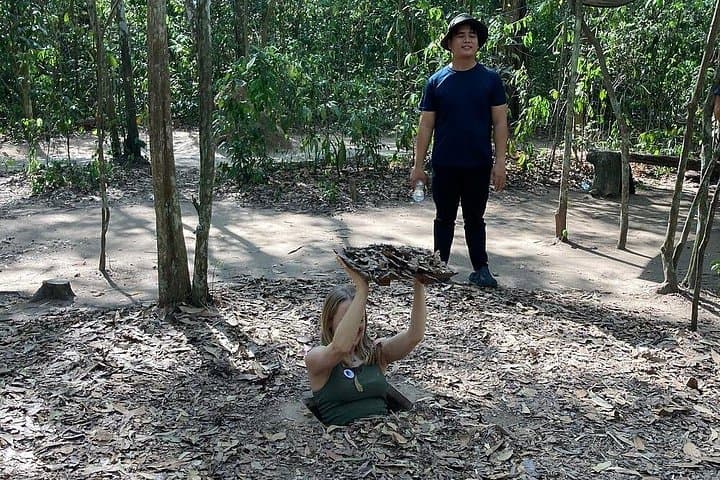
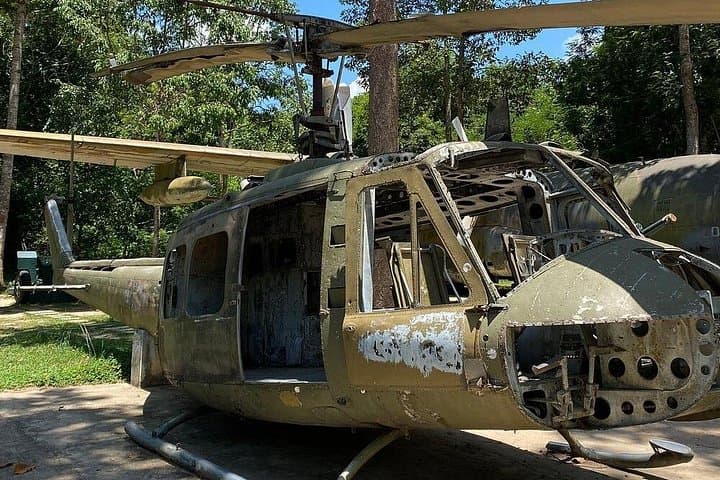
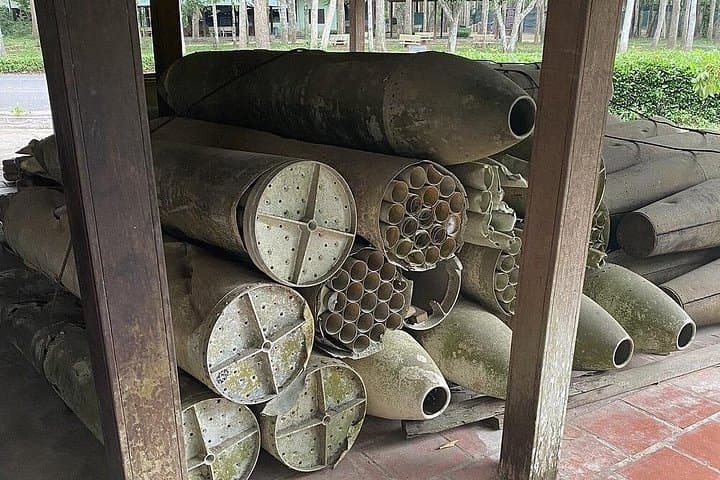
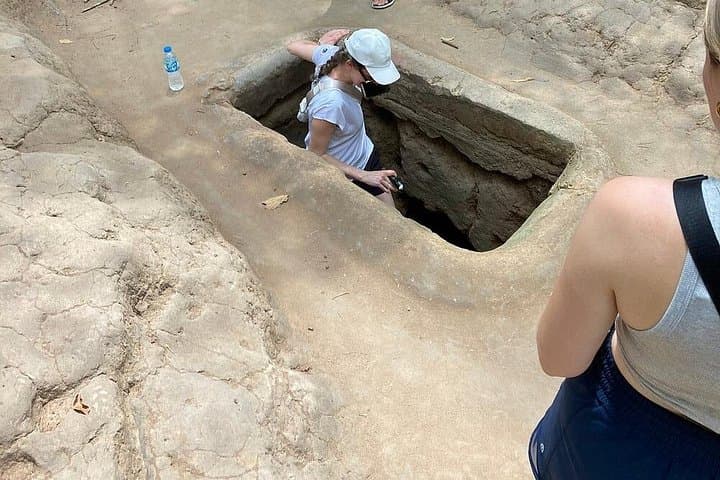
You step off the air-conditioned van into heat that presses against your shirt, and a narrow path of packed earth leads away from the roadside toward a low, dark mouth in the earth. The Cu Chi Tunnels open as a different world: tight passageways that once sheltered fighters, tiny bunk rooms, trapdoors that close like secrets.
You step off the air-conditioned van into heat that presses against your shirt, and a narrow path of packed earth leads away from the roadside toward a low, dark mouth in the earth. The Cu Chi Tunnels open as a different world: tight passageways that once sheltered fighters, tiny bunk rooms, trapdoors that close like secrets.
Built and expanded during the Vietnam War, the tunnel network around Cu Chi stretches for scores of miles and reflects both improvisation and persistence. Geologically, the region’s layered alluvial soils made digging feasible but demanded constant maintenance; culturally, the tunnels speak to rural ingenuity and wartime communal life, with kitchens, infirmaries and hidden wells carved into the ground.
Visitors move through restored sections at Ben Dinh or Ben Duoc, guided by local interpreters who explain booby traps, concealment tactics and everyday survival under bombardment. Outside, rice paddies and scrub brush reclaim the landscape; water channels nudge at narrow canals as if daring you to follow.
Practical guidance: wear closed-toe shoes and lightweight, breathable clothing; expect uneven ground, low ceilings and some short stretches requiring crouch-walking. Bring water and insect repellent for outdoor exhibits; use sun protection between tunnels. The tour runs as a half-day with hotel pickup in District 1 and includes entrance fees and an English-speaking guide. It’s an intense historical visit rather than a long hike—mental preparation for confined spaces matters as much as stamina. Respect relics, follow your guide’s directions, and allow time afterward for a quiet drink in the shade to process what you’ve seen.