THE ADVENTURE COLLECTIVE® · Independent discovery and booking for outdoor travel

Drive into the rubber-tree plains for a half-day at the Cu Chi Tunnels—crawl through narrow sections, learn guerrilla-era engineering, and taste countryside snacks. This private historical trip pairs transport and a local guide for a focused, accessible look at one of Vietnam’s most storied sites.
Drive into the rubber-tree plains for a half-day at the Cu Chi Tunnels—crawl through narrow sections, learn guerrilla-era engineering, and taste countryside snacks. This private historical trip pairs transport and a local guide for a focused, accessible look at one of Vietnam’s most storied sites.
The van unwinds out of Ho Chi Minh City's traffic and into a flat, green fringe of rubber plantations where the air feels heavier and the road quiets. At the Cu Chi park entrance, sunlight slices through a canopy of narrow trunks while the ground hints at the hidden architecture beneath—trapdoors and low slits that once let men disappear into the earth.
Verified experiences and guided adventures in the surrounding area.
Operated by Daisy Tourist · Cu Chi, Ho Chi Minh
The van unwinds out of Ho Chi Minh City's traffic and into a flat, green fringe of rubber plantations where the air feels heavier and the road quiets. At the Cu Chi park entrance, sunlight slices through a canopy of narrow trunks while the ground hints at the hidden architecture beneath—trapdoors and low slits that once let men disappear into the earth.
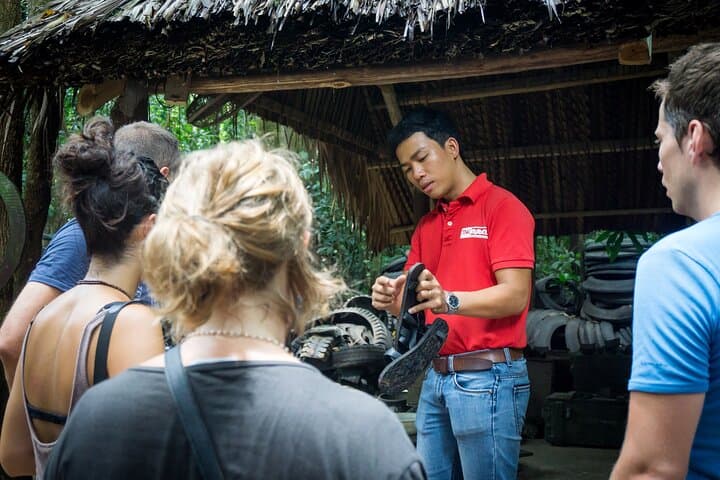
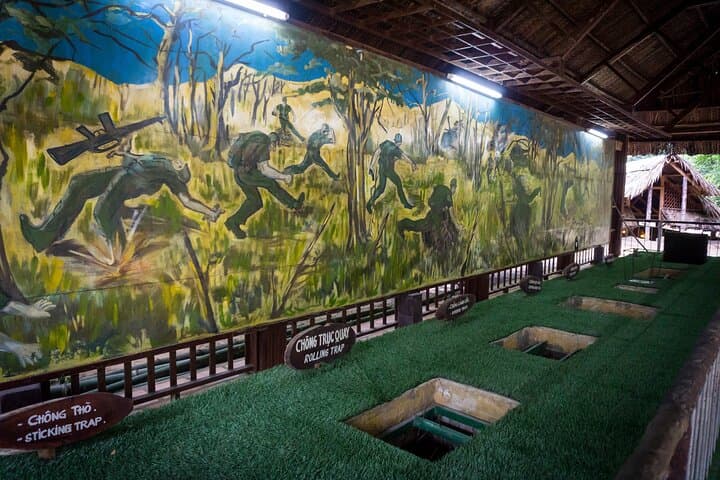
This network—over 220 km when combined across regions—was carved through soft alluvial and laterite soils by guerrilla engineers during the Vietnam War. Visitors move between reconstructed tunnel sections, original chambers, and demonstration pits, hearing how ventilated shafts, hidden kitchens and booby traps supported long-term life underground. Nearby villages keep a simple pace: grilled cassava carts, small craft workshops and the occasional water buffalo grazing the roadside.
Practicalities shape the visit: it’s roughly 60 km northwest of HCMC and most half-day tours run about six hours including round-trip transport. Tours typically include an English-speaking guide, entrance fee and bottled water; expect low ceilings inside tunnels and short crawls in the tighter replicas. Shooting ranges on site offer supervised firing experiences for an extra fee and with age limits.
Plan a morning start to avoid mid-afternoon heat, wear long sleeves and sturdy shoes for uneven trails, and bring insect repellent and sunscreen. Cameras are welcome but be respectful at memorial spots. The Cu Chi experience balances close-up history with rural snapshots of southern Vietnam—informative, compact, and visceral for anyone ready to stoop and listen to the ground’s stories.
moderate.
6 hours.
Should be comfortable walking on uneven ground and stooping for short periods; not suitable for severe mobility, pregnant travelers, or those with serious heart/spinal conditions.
The site is about 60 km northwest of central Ho Chi Minh City; a typical half-day tour lasts around six hours including round-trip transport and a stop at the main tunnel exhibits.
Many tunnels on display have both widened sections for visitors and original narrow stretches; short crawls are required in some replicas—those with mobility, spinal, heart issues or pregnancy should avoid crawling sections.
No, shooting ranges are usually an optional activity on-site for an extra fee and are conducted with staff supervision and age restrictions; bring ID if required.
Most tours include bottled water; snacks like grilled cassava may be available at local vendors, but full meals typically aren’t included unless specified.
The tunnels were expanded into a complex wartime network used by Viet Cong fighters for shelter, logistics and surprise tactics; they combined living spaces, hospitals and communication routes.
Management encourages staying on marked paths and avoiding damage to original tunnel sections; visitor numbers are controlled to limit erosion and preserve fragile structures.
Daisy Tourist operates guided outdoor trips and adventures with an emphasis on safety, stewardship, and memorable experiences.
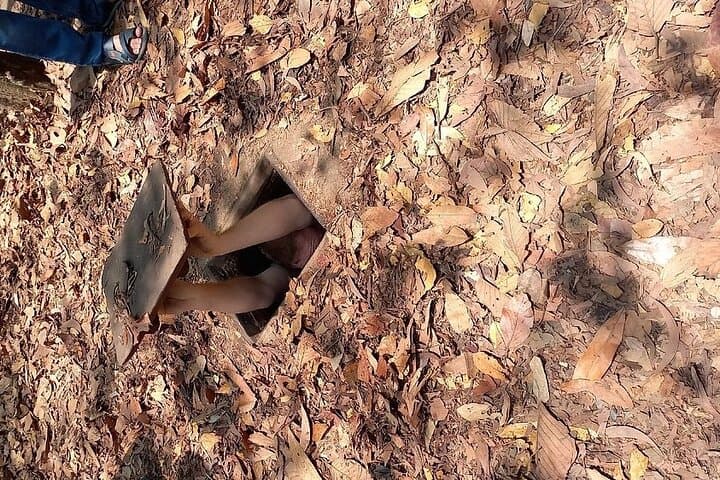
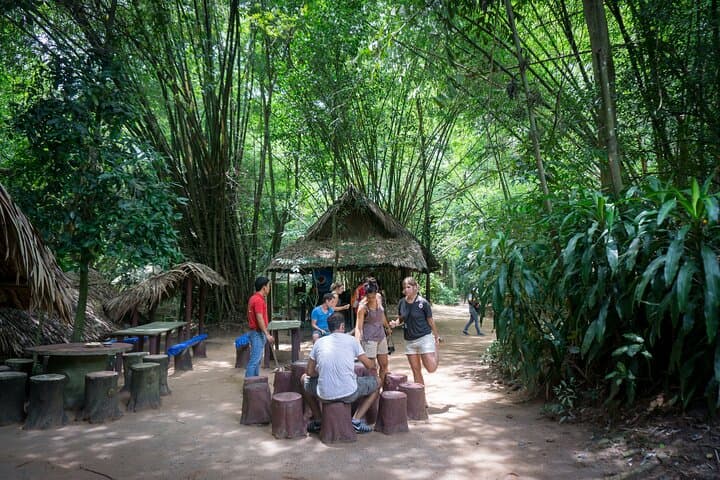
The van unwinds out of Ho Chi Minh City's traffic and into a flat, green fringe of rubber plantations where the air feels heavier and the road quiets. At the Cu Chi park entrance, sunlight slices through a canopy of narrow trunks while the ground hints at the hidden architecture beneath—trapdoors and low slits that once let men disappear into the earth.
The van unwinds out of Ho Chi Minh City's traffic and into a flat, green fringe of rubber plantations where the air feels heavier and the road quiets. At the Cu Chi park entrance, sunlight slices through a canopy of narrow trunks while the ground hints at the hidden architecture beneath—trapdoors and low slits that once let men disappear into the earth.
This network—over 220 km when combined across regions—was carved through soft alluvial and laterite soils by guerrilla engineers during the Vietnam War. Visitors move between reconstructed tunnel sections, original chambers, and demonstration pits, hearing how ventilated shafts, hidden kitchens and booby traps supported long-term life underground. Nearby villages keep a simple pace: grilled cassava carts, small craft workshops and the occasional water buffalo grazing the roadside.
Practicalities shape the visit: it’s roughly 60 km northwest of HCMC and most half-day tours run about six hours including round-trip transport. Tours typically include an English-speaking guide, entrance fee and bottled water; expect low ceilings inside tunnels and short crawls in the tighter replicas. Shooting ranges on site offer supervised firing experiences for an extra fee and with age limits.
Plan a morning start to avoid mid-afternoon heat, wear long sleeves and sturdy shoes for uneven trails, and bring insect repellent and sunscreen. Cameras are welcome but be respectful at memorial spots. The Cu Chi experience balances close-up history with rural snapshots of southern Vietnam—informative, compact, and visceral for anyone ready to stoop and listen to the ground’s stories.