THE ADVENTURE COLLECTIVE® · Independent discovery and booking for outdoor travel

Explore the Cu Chi Tunnels on a half-day luxury tour from Ho Chi Minh City. Walk through restored tunnel sections, visit a rubber plantation, and learn wartime history with hotel pickup and guided commentary.
Explore the Cu Chi Tunnels on a half-day luxury tour from Ho Chi Minh City. Walk through restored tunnel sections, visit a rubber plantation, and learn wartime history with hotel pickup and guided commentary.
You step out of Ho Chi Minh City's humid rush into narrow shaded lanes, and the soil seems to remember conflict — the earth here was carved and coaxed into hiding places. At the Cu Chi Tunnels a guide leads you to a camouflaged trapdoor; the air inside is close, the passage squeezes, and for a few minutes you feel the same cramped mathematics of concealment that sustained guerrilla fighters.
Verified experiences and guided adventures in the surrounding area.
Operated by Cu Chi Tunnels Tours · Cu Chi, Ho Chi Minh
You step out of Ho Chi Minh City's humid rush into narrow shaded lanes, and the soil seems to remember conflict — the earth here was carved and coaxed into hiding places. At the Cu Chi Tunnels a guide leads you to a camouflaged trapdoor; the air inside is close, the passage squeezes, and for a few minutes you feel the same cramped mathematics of concealment that sustained guerrilla fighters.
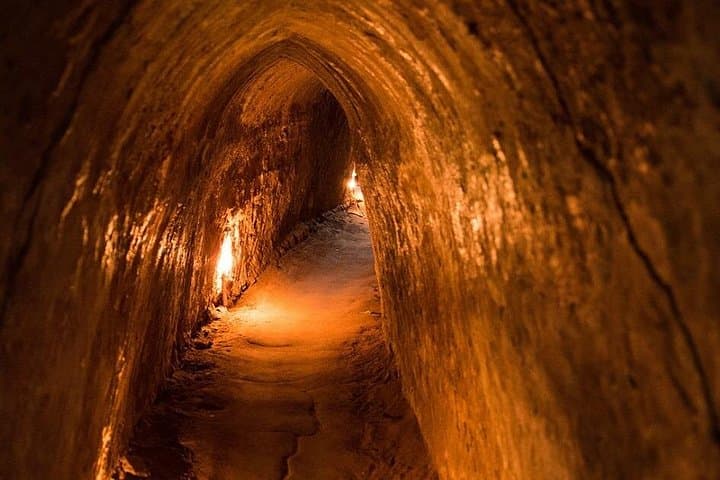
These tunnels are part of an extensive subterranean network used by the Viet Cong during the Vietnam War — roughly 124 miles (200 km) of passageways, clinics, bunkers and storerooms. Geologically the region is flat alluvial plain: soft, friable loam that made digging feasible and allowed simple ventilation shafts and booby traps to function. Culturally, the site is both memorial and classroom: exhibits, reconstructed kitchens and the optional shooting range frame wartime innovation and hardship alongside contemporary Vietnamese perspectives.
Expect a guided walking tour that includes peering into trapdoors, short low-crawl sections (optional), and a stop at a nearby rubber plantation that underpins local rural history. The tour runs half a day with hotel pickup and drop-off; the road between city and site is mostly flat but can be bumpy.
Practical guidance: go in the cooler morning or late afternoon slot, wear closed-toe shoes and long trousers to protect against dirt and insects, bring water, and ask your guide about the more confined sections before entering — operators usually offer alternatives for those with mobility limits. Respect marked paths and exhibits to help conserve the fragile site and its stories.
easy.
4–6 hours.
Suitable for most fitness levels; involves short walks, low crouches for optional tunnel sections, and minimal elevation change.
Typical half-day tours last 4–6 hours and include hotel pickup/drop-off, a guided visit of the tunnels, and a stop at a nearby rubber plantation.
Some original tunnel sections are tight; operators offer above-ground replicas and alternative viewing options for visitors who prefer not to enter confined spaces.
Photography is allowed in most areas but follow guide instructions and avoid flash in delicate exhibit spaces; some sections may be restricted for safety.
Yes—this tour typically includes round-trip hotel pickup and air-conditioned transport as part of the package.
The tunnels were expanded and used by the Viet Cong during the Vietnam War as living quarters, clinics and supply routes; the network totals roughly 124 miles (200 km).
The site is preserved as a historical memorial and receives many visitors; staying on marked paths and following guides helps prevent wear and preserves exhibits for future visitors.
Cu Chi Tunnels Tours operates guided outdoor trips and adventures with an emphasis on safety, stewardship, and memorable experiences.
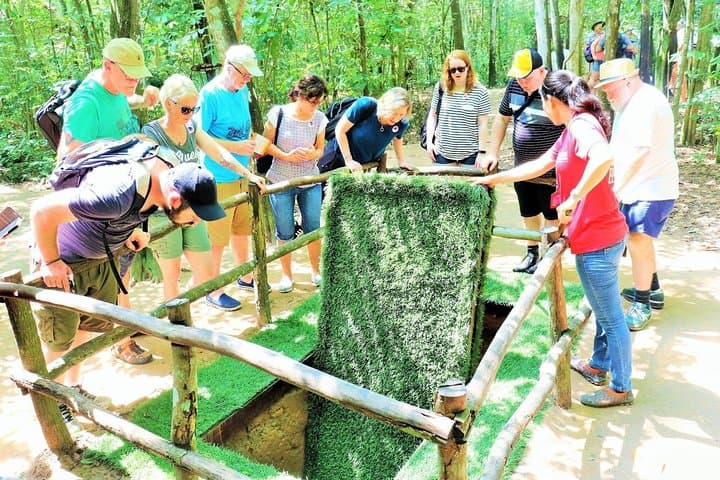
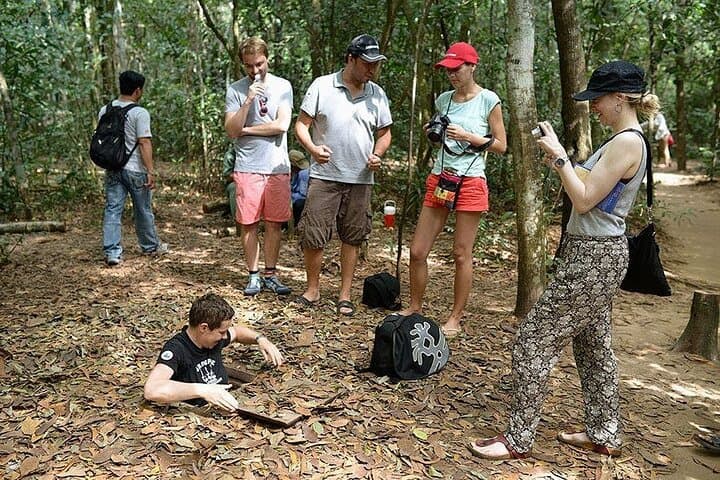
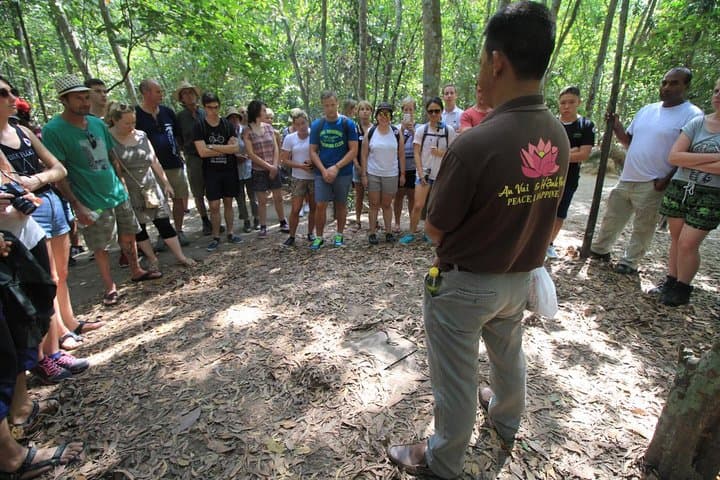
You step out of Ho Chi Minh City's humid rush into narrow shaded lanes, and the soil seems to remember conflict — the earth here was carved and coaxed into hiding places. At the Cu Chi Tunnels a guide leads you to a camouflaged trapdoor; the air inside is close, the passage squeezes, and for a few minutes you feel the same cramped mathematics of concealment that sustained guerrilla fighters.
You step out of Ho Chi Minh City's humid rush into narrow shaded lanes, and the soil seems to remember conflict — the earth here was carved and coaxed into hiding places. At the Cu Chi Tunnels a guide leads you to a camouflaged trapdoor; the air inside is close, the passage squeezes, and for a few minutes you feel the same cramped mathematics of concealment that sustained guerrilla fighters.
These tunnels are part of an extensive subterranean network used by the Viet Cong during the Vietnam War — roughly 124 miles (200 km) of passageways, clinics, bunkers and storerooms. Geologically the region is flat alluvial plain: soft, friable loam that made digging feasible and allowed simple ventilation shafts and booby traps to function. Culturally, the site is both memorial and classroom: exhibits, reconstructed kitchens and the optional shooting range frame wartime innovation and hardship alongside contemporary Vietnamese perspectives.
Expect a guided walking tour that includes peering into trapdoors, short low-crawl sections (optional), and a stop at a nearby rubber plantation that underpins local rural history. The tour runs half a day with hotel pickup and drop-off; the road between city and site is mostly flat but can be bumpy.
Practical guidance: go in the cooler morning or late afternoon slot, wear closed-toe shoes and long trousers to protect against dirt and insects, bring water, and ask your guide about the more confined sections before entering — operators usually offer alternatives for those with mobility limits. Respect marked paths and exhibits to help conserve the fragile site and its stories.