THE ADVENTURE COLLECTIVE® · Independent discovery and booking for outdoor travel

Explore the Cu Chi Tunnels on a focused half-day tour from Ho Chi Minh City—crawl preserved passages, watch trapdoors in action, and learn how local ingenuity shaped wartime survival. Practical pickup, bottled water, and knowledgeable guides make it an accessible but intense history experience.
Explore the Cu Chi Tunnels on a focused half-day tour from Ho Chi Minh City—crawl preserved passages, watch trapdoors in action, and learn how local ingenuity shaped wartime survival. Practical pickup, bottled water, and knowledgeable guides make it an accessible but intense history experience.
Dawn light filters across rubber trees as the minivan leaves Saigon’s skyscrapers behind and the countryside grows quieter. At the Cu Chi site, the ground looks ordinary—until a narrow, dark seam invites you below. Crawling through low, claustrophobic passages, you feel the same close, cool air that hid soldiers for months; above, the rubber plantation rustles with an indifferent wind.
Verified experiences and guided adventures in the surrounding area.
Operated by Authentic MAI CHAU · Cu Chi District, Ho Chi Minh
Dawn light filters across rubber trees as the minivan leaves Saigon’s skyscrapers behind and the countryside grows quieter. At the Cu Chi site, the ground looks ordinary—until a narrow, dark seam invites you below. Crawling through low, claustrophobic passages, you feel the same close, cool air that hid soldiers for months; above, the rubber plantation rustles with an indifferent wind.
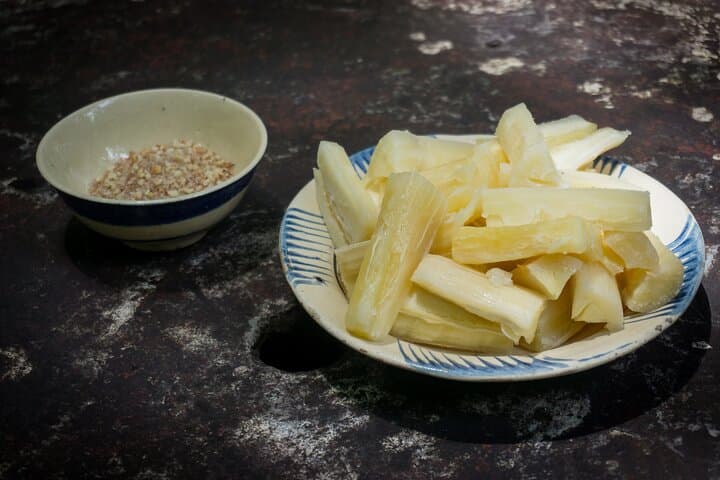
The Cu Chi Tunnels are part of a vast underground system—engineered over decades and stretching for more than 220 km—used in the Vietnam War for movement, shelter and surprise. Geologically, the region is flat alluvial plain; workability of the clay and sand made digging and camouflaging entrances possible. Local villages adapted wartime ingenuity into peacetime crafts; nearby markets still sell cassava snacks once eaten by soldiers.
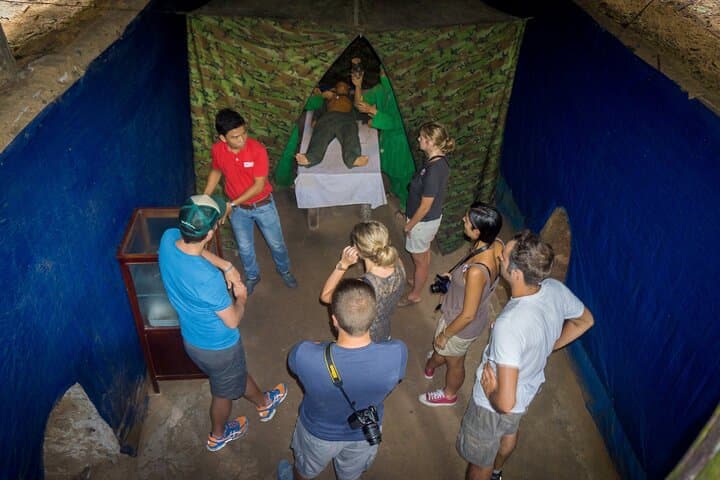
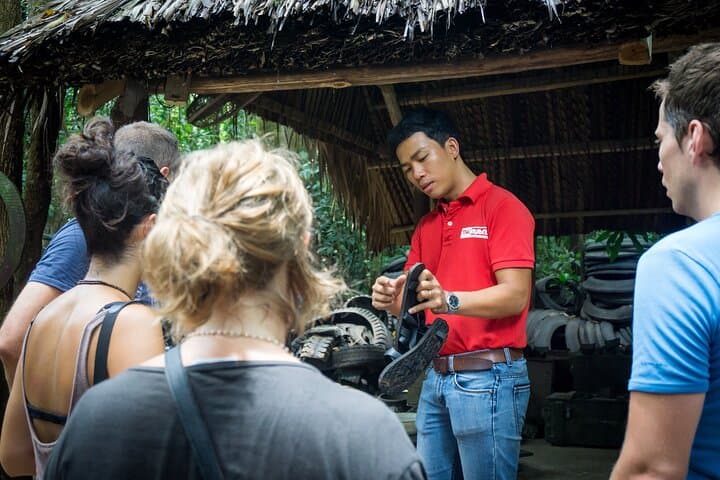
This half-day tour pairs history with hands-on demonstrations: walk preserved tunnel sections, watch trapdoors in action, and opt to test marksmanship at a controlled shooting range. Guides explain construction methods, daily life underground, and the strategic importance of Cu Chi to Saigon’s outskirts.
Practical advice: dress in breathable, durable clothes and closed-toe shoes; tunnels are tight and can be muddy. The tour includes hotel pickup from District 1 and bottled water, but bring any personal medications and expect uneven footing. If you have claustrophobia, back or heart conditions, or are pregnant, choose an aboveground interpretation route instead.
Timing mid-morning avoids the hottest hours; bring a camera for external exhibits but respect signage near reenactments. Visiting Cu Chi is an intense, tangible way to understand Vietnam’s wartime resilience while experiencing its quiet rural landscape.
moderate.
4–6 hours.
Suitable for travelers in average physical condition who can crouch and walk unassisted over uneven ground.
Typical pickup from District 1 is about 60–90 minutes each way depending on traffic, making the total experience roughly 4–6 hours.
A portion of the tunnels is widened for visitors; full crawling sections may be unsuitable for those with claustrophobia, pregnancy, or certain medical conditions.
Some tours offer a supervised shooting range as an optional activity; confirm availability and safety procedures with your operator beforehand.
This tour includes entrance and air-conditioned transport with hotel pickup from District 1, as well as bottled water and an English-speaking guide.
Cu Chi’s tunnels were expanded by local forces during the Vietnam War into an extensive network used for shelter, command posts, and supply lines, reflecting improvised engineering in a flat alluvial landscape.
Preservation efforts focus on maintaining tunnel sections and limiting visitor impact; stick to marked paths and avoid removing artifacts to help protect the site.
Authentic MAI CHAU operates guided outdoor trips and adventures with an emphasis on safety, stewardship, and memorable experiences.
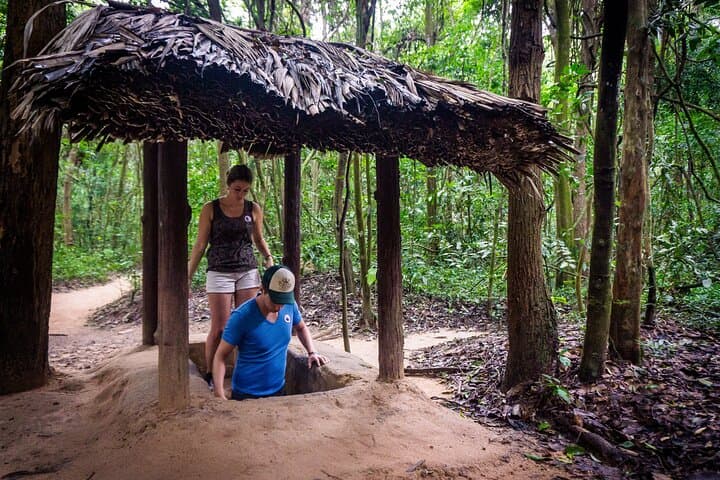
Dawn light filters across rubber trees as the minivan leaves Saigon’s skyscrapers behind and the countryside grows quieter. At the Cu Chi site, the ground looks ordinary—until a narrow, dark seam invites you below. Crawling through low, claustrophobic passages, you feel the same close, cool air that hid soldiers for months; above, the rubber plantation rustles with an indifferent wind.
Dawn light filters across rubber trees as the minivan leaves Saigon’s skyscrapers behind and the countryside grows quieter. At the Cu Chi site, the ground looks ordinary—until a narrow, dark seam invites you below. Crawling through low, claustrophobic passages, you feel the same close, cool air that hid soldiers for months; above, the rubber plantation rustles with an indifferent wind.
The Cu Chi Tunnels are part of a vast underground system—engineered over decades and stretching for more than 220 km—used in the Vietnam War for movement, shelter and surprise. Geologically, the region is flat alluvial plain; workability of the clay and sand made digging and camouflaging entrances possible. Local villages adapted wartime ingenuity into peacetime crafts; nearby markets still sell cassava snacks once eaten by soldiers.
This half-day tour pairs history with hands-on demonstrations: walk preserved tunnel sections, watch trapdoors in action, and opt to test marksmanship at a controlled shooting range. Guides explain construction methods, daily life underground, and the strategic importance of Cu Chi to Saigon’s outskirts.
Practical advice: dress in breathable, durable clothes and closed-toe shoes; tunnels are tight and can be muddy. The tour includes hotel pickup from District 1 and bottled water, but bring any personal medications and expect uneven footing. If you have claustrophobia, back or heart conditions, or are pregnant, choose an aboveground interpretation route instead.
Timing mid-morning avoids the hottest hours; bring a camera for external exhibits but respect signage near reenactments. Visiting Cu Chi is an intense, tangible way to understand Vietnam’s wartime resilience while experiencing its quiet rural landscape.