THE ADVENTURE COLLECTIVE® · Independent discovery and booking for outdoor travel

A half-day trip from Ho Chi Minh City into the Cu Chi Tunnels delivers close-up history and hands-on tunnel access. Expect a mix of interpretive exhibits, guided storytelling, and the chance to enter widened tunnel sections under supervision.
A half-day trip from Ho Chi Minh City into the Cu Chi Tunnels delivers close-up history and hands-on tunnel access. Expect a mix of interpretive exhibits, guided storytelling, and the chance to enter widened tunnel sections under supervision.
You step out of the air-conditioned van and into low canopy forest where the earth seems to hold its breath—roots twisting, soil compacted by history. The path leads to narrow tunnel entrances; the ground will feel deliberate under your boots, the jungle above almost conspiring to hide what lies beneath.
Verified experiences and guided adventures in the surrounding area.
Operated by Local Tours SAPA · Cu Chi, Ho Chi Minh City
You step out of the air-conditioned van and into low canopy forest where the earth seems to hold its breath—roots twisting, soil compacted by history. The path leads to narrow tunnel entrances; the ground will feel deliberate under your boots, the jungle above almost conspiring to hide what lies beneath.
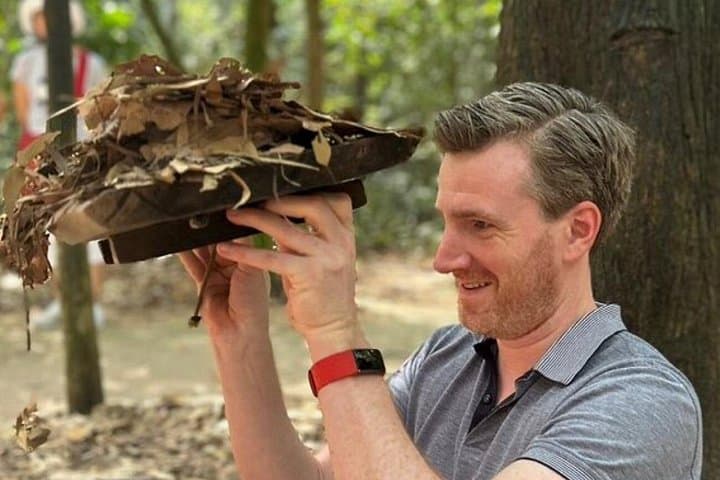
The Cu Chi network grew from simple hand-dug shelters into a strategic labyrinth used by the Viet Cong during the Indochina and Vietnam Wars. Over time the tunnels expanded into kitchens, infirmaries, and traps—ingenious responses to asymmetric warfare and scarcity. Geologically, the area is lowland alluvium, easy to dig but prone to humidity; the soils and bamboo stands helped conceal air vents and trap doors.
Local culture frames this site as both a memorial and a living lesson in resilience; guides—often former soldiers’ descendants—explain tactics and daily life, and nearby vendors sell simple soldier-era snacks. Expect interpretive exhibits, a short tactical demonstration, and supervised access into widened tunnel sections; more primitive crawl spaces are closed or optional for safety.
Practically, the half-day format includes pickup from District 1, about 1–1.5 hours each way depending on traffic, with roughly 3–4 hours on-site. Wear sturdy closed-toe shoes, bring water and insect repellent, and be prepared for tight, humid passages if you choose to enter the tunnels. Mobility-limited visitors should note there are narrow, low-clearance sections. The visit combines history, hands-on interpretation, and a keen sense of place—earth that remembers.
moderate.
7 hours (total, including transport).
Suitable for travelers in average physical condition who can crouch, walk uneven ground, and tolerate short, humid crawls.
Typical travel time is 60–90 minutes each way from District 1, depending on traffic and your pickup point.
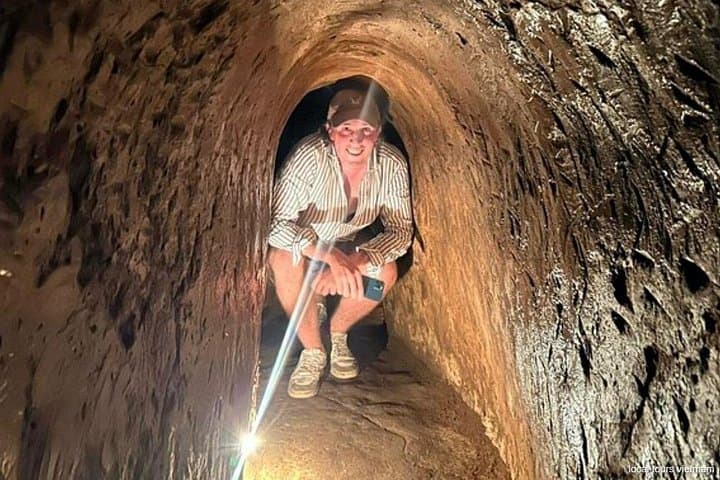
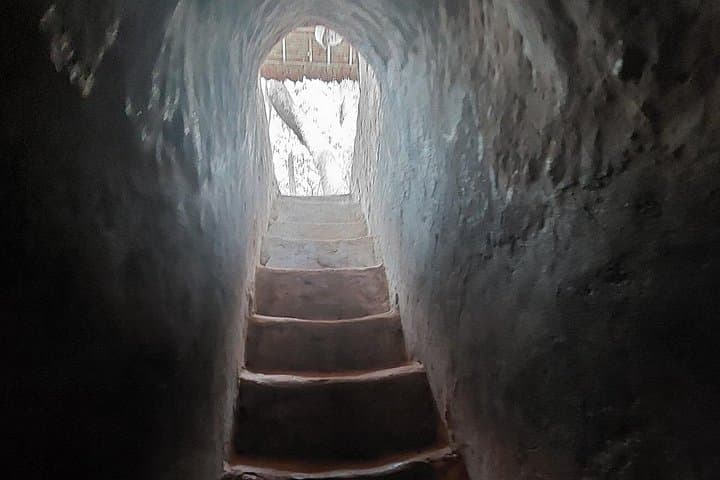
Visitors can enter visitor-adapted tunnel sections; the original narrow tunnels are not open to public access due to safety—notify your guide of mobility or health concerns.
The tour commonly includes bottled water and may offer a simple snack; full meals aren’t typically included but there are small vendors near the site serving local fare.
Shooting experiences are usually supervised and optional; follow all instructor directions and confirm safety protocols before participating.
The tunnels were expanded from the 1940s through the Vietnam War to house combatants, supply lines, and underground infrastructure that supported prolonged guerrilla operations.
High visitor numbers strain narrow trails and interpretive sites—stay on marked paths, avoid touching fragile structures, and carry out all trash to support preservation efforts.
Local Tours SAPA operates guided outdoor trips and adventures with an emphasis on safety, stewardship, and memorable experiences.
You step out of the air-conditioned van and into low canopy forest where the earth seems to hold its breath—roots twisting, soil compacted by history. The path leads to narrow tunnel entrances; the ground will feel deliberate under your boots, the jungle above almost conspiring to hide what lies beneath.
You step out of the air-conditioned van and into low canopy forest where the earth seems to hold its breath—roots twisting, soil compacted by history. The path leads to narrow tunnel entrances; the ground will feel deliberate under your boots, the jungle above almost conspiring to hide what lies beneath.
The Cu Chi network grew from simple hand-dug shelters into a strategic labyrinth used by the Viet Cong during the Indochina and Vietnam Wars. Over time the tunnels expanded into kitchens, infirmaries, and traps—ingenious responses to asymmetric warfare and scarcity. Geologically, the area is lowland alluvium, easy to dig but prone to humidity; the soils and bamboo stands helped conceal air vents and trap doors.
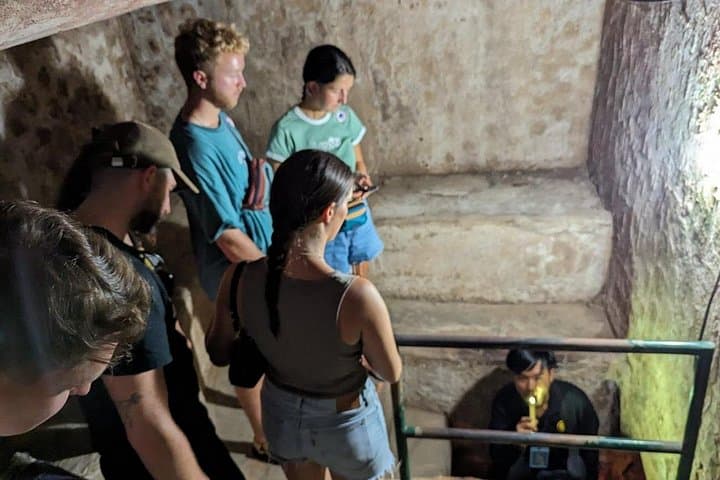
Local culture frames this site as both a memorial and a living lesson in resilience; guides—often former soldiers’ descendants—explain tactics and daily life, and nearby vendors sell simple soldier-era snacks. Expect interpretive exhibits, a short tactical demonstration, and supervised access into widened tunnel sections; more primitive crawl spaces are closed or optional for safety.
Practically, the half-day format includes pickup from District 1, about 1–1.5 hours each way depending on traffic, with roughly 3–4 hours on-site. Wear sturdy closed-toe shoes, bring water and insect repellent, and be prepared for tight, humid passages if you choose to enter the tunnels. Mobility-limited visitors should note there are narrow, low-clearance sections. The visit combines history, hands-on interpretation, and a keen sense of place—earth that remembers.