THE ADVENTURE COLLECTIVE® · Independent discovery and booking for outdoor travel

Step into the engineered underground of the Cu Chi Tunnels on a 4–5 hour guided tour from Ho Chi Minh City. Explore the narrow galleries, wartime artifacts, and optional shooting range while learning the practical geology and guerrilla tactics that shaped the site.
Step into the engineered underground of the Cu Chi Tunnels on a 4–5 hour guided tour from Ho Chi Minh City. Explore the narrow galleries, wartime artifacts, and optional shooting range while learning the practical geology and guerrilla tactics that shaped the site.
The morning bus slips out of Ho Chi Minh City and the urban clamor thins to rice paddies and narrow lanes. By the time the tour reaches Cu Chi, the air cools, and the ground seems to remember events buried beneath it—the low, living weight of history waiting behind camouflaged trapdoors.
Verified experiences and guided adventures in the surrounding area.
Operated by Lavila Travel · Ho Chi Minh City, Ho Chi Minh
The morning bus slips out of Ho Chi Minh City and the urban clamor thins to rice paddies and narrow lanes. By the time the tour reaches Cu Chi, the air cools, and the ground seems to remember events buried beneath it—the low, living weight of history waiting behind camouflaged trapdoors.
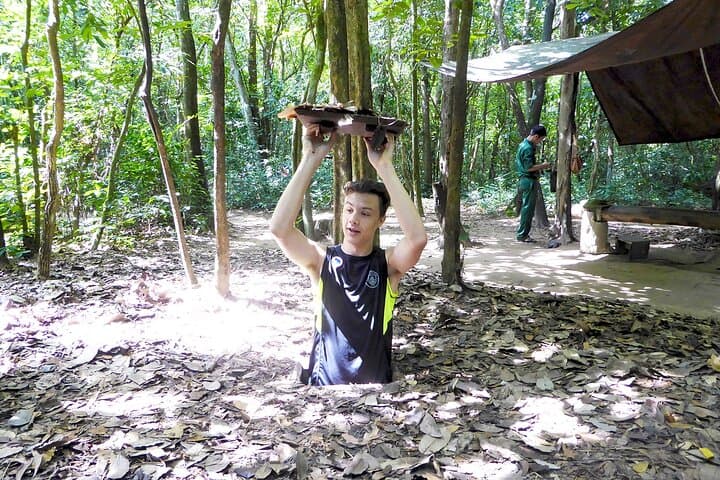
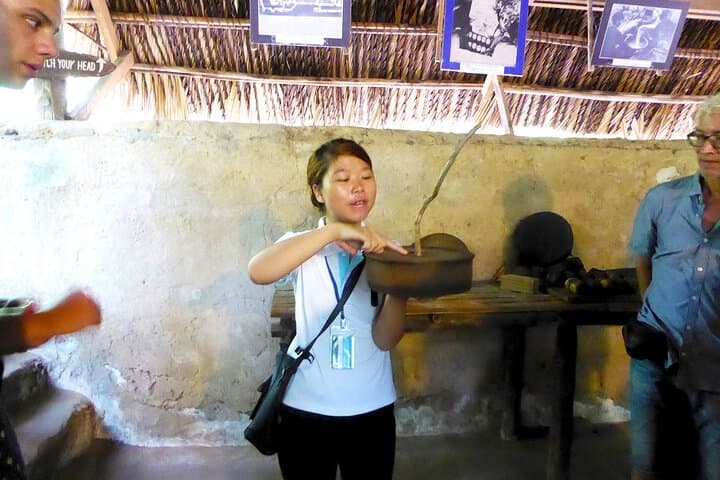
Visitors move through an engineered underground world built and expanded by Viet Cong fighters during the Vietnam War: sleeping niches, meeting rooms, concealed kitchens and narrow galleries bored into laterite and clay. Exhibits and an introductory film frame the strategic thinking—how three to four metres of compacted soil could stop a tank—and point to bomb craters and improvised weapons displayed in small on-site museums. The site blends geology and ingenuity: the dense red soil that makes the tunnels possible also demands constant maintenance to stay breathable and passable.
Local culture appears in simple comforts—tapioca served at the end of a crawl, an informal souvenir market, and the occasional roadside foot massage for tired visitors. The optional shooting range recreates a wartime sensation for those who choose it, though it’s a separate cost.
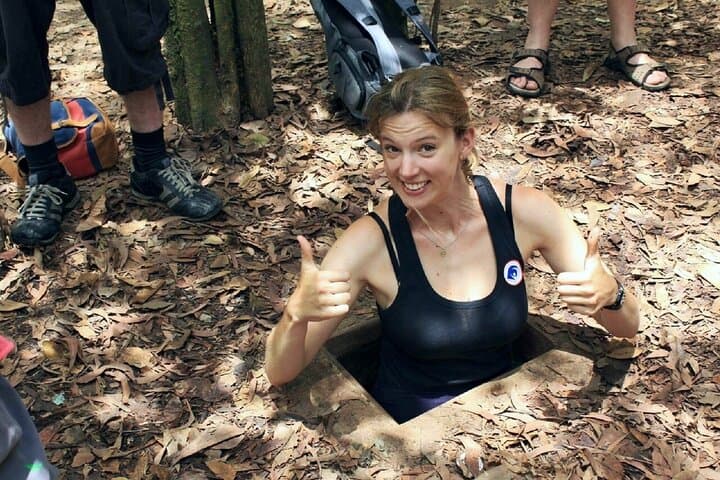
Practical guidance: tours last about 4–5 hours with guided transport from the city included; expect short walks, some stooping and optional tight crawling in widened visitor tunnels. Wear sturdy, closed shoes, bring insect repellent and a refillable water bottle, and be mindful if you’re claustrophobic—the experience can be close and dark. Respect on-site rules: no digging, no removing artifacts, and follow guides’ instructions for safety and preservation.
easy.
4–5 hours.
Light fitness required: short walks, some stooping and brief crawling; suitable for most travelers who can bend and climb low steps.
The shared tour lasts roughly 4–5 hours and typically includes round-trip pickup and drop-off from Ho Chi Minh City in air-conditioned transport.
Yes—some sections are open for visitors but are often widened; people with claustrophobia or mobility issues can opt to remain above ground and view exhibits instead.
No—the firearms experience is optional and requires an extra fee; guides will explain safety procedures and costs on site.
Yes, but parents should judge suitability: some tunnels are tight and the shooting range has age and safety restrictions—check with the operator for specifics and infant seat availability for transport.
The Cu Chi network was expanded by Viet Cong units over years during the 20th century, becoming a strategic base of operations and shelter during the Vietnam War.
Visitor flows are managed to protect fragile tunnel sections—follow signage, avoid touching historical materials, and don’t remove artifacts to help preserve the site.
Lavila Travel operates guided outdoor trips and adventures with an emphasis on safety, stewardship, and memorable experiences.

The morning bus slips out of Ho Chi Minh City and the urban clamor thins to rice paddies and narrow lanes. By the time the tour reaches Cu Chi, the air cools, and the ground seems to remember events buried beneath it—the low, living weight of history waiting behind camouflaged trapdoors.
The morning bus slips out of Ho Chi Minh City and the urban clamor thins to rice paddies and narrow lanes. By the time the tour reaches Cu Chi, the air cools, and the ground seems to remember events buried beneath it—the low, living weight of history waiting behind camouflaged trapdoors.
Visitors move through an engineered underground world built and expanded by Viet Cong fighters during the Vietnam War: sleeping niches, meeting rooms, concealed kitchens and narrow galleries bored into laterite and clay. Exhibits and an introductory film frame the strategic thinking—how three to four metres of compacted soil could stop a tank—and point to bomb craters and improvised weapons displayed in small on-site museums. The site blends geology and ingenuity: the dense red soil that makes the tunnels possible also demands constant maintenance to stay breathable and passable.
Local culture appears in simple comforts—tapioca served at the end of a crawl, an informal souvenir market, and the occasional roadside foot massage for tired visitors. The optional shooting range recreates a wartime sensation for those who choose it, though it’s a separate cost.
Practical guidance: tours last about 4–5 hours with guided transport from the city included; expect short walks, some stooping and optional tight crawling in widened visitor tunnels. Wear sturdy, closed shoes, bring insect repellent and a refillable water bottle, and be mindful if you’re claustrophobic—the experience can be close and dark. Respect on-site rules: no digging, no removing artifacts, and follow guides’ instructions for safety and preservation.