THE ADVENTURE COLLECTIVE® · Independent discovery and booking for outdoor travel

Spend a full day moving from Saigon’s colonial boulevards to the claustrophobic ingenuity of the Cu Chi Tunnels. This private tour pairs historical context with on-site exploration—expect long drives, narrow tunnels, and a clear look at Vietnam’s wartime and postwar story.
Spend a full day moving from Saigon’s colonial boulevards to the claustrophobic ingenuity of the Cu Chi Tunnels. This private tour pairs historical context with on-site exploration—expect long drives, narrow tunnels, and a clear look at Vietnam’s wartime and postwar story.
You step out of an air-conditioned van into humid morning air as the city’s honk and motorbike tide recede behind you. The drive northwest toward Cu Chi is a shift from glass-front towers to rubber plantations and rice paddies, where the landscape seems to hold traces of the conflict you’re about to visit.
Verified experiences and guided adventures in the surrounding area.
Operated by Authentic HA GIANG · Ho Chi Minh City, Ho Chi Minh City
You step out of an air-conditioned van into humid morning air as the city’s honk and motorbike tide recede behind you. The drive northwest toward Cu Chi is a shift from glass-front towers to rubber plantations and rice paddies, where the landscape seems to hold traces of the conflict you’re about to visit.
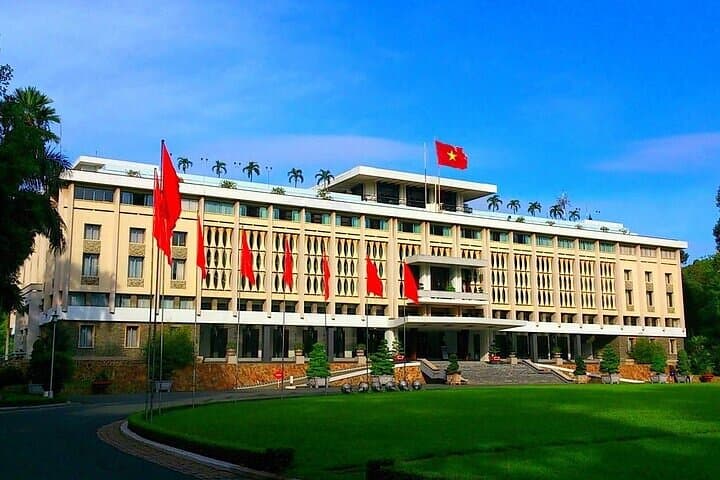
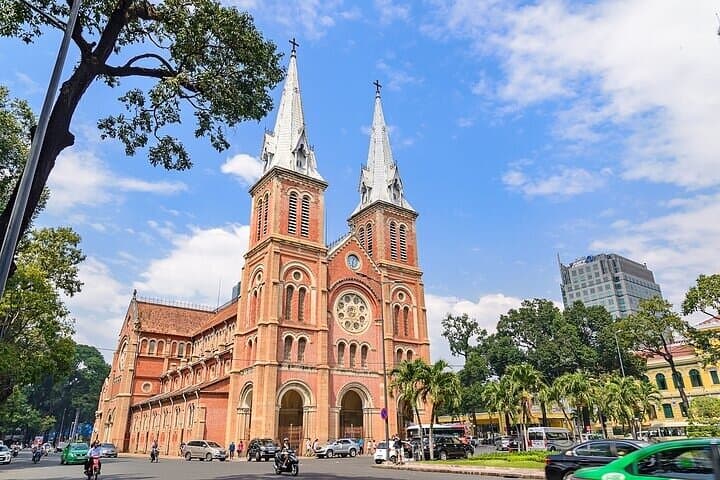
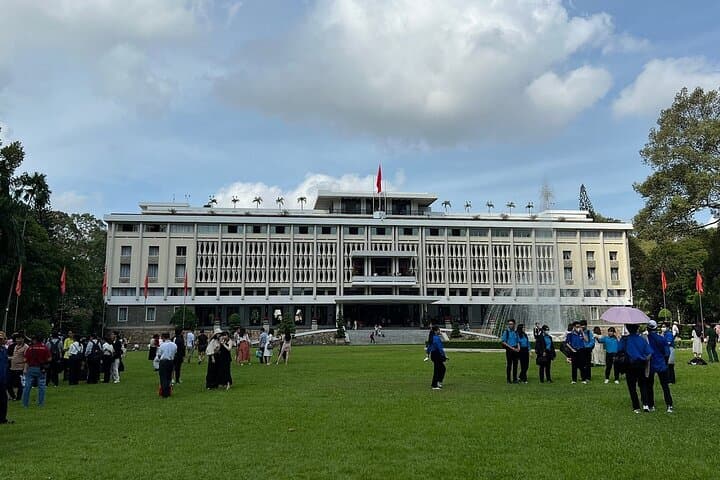
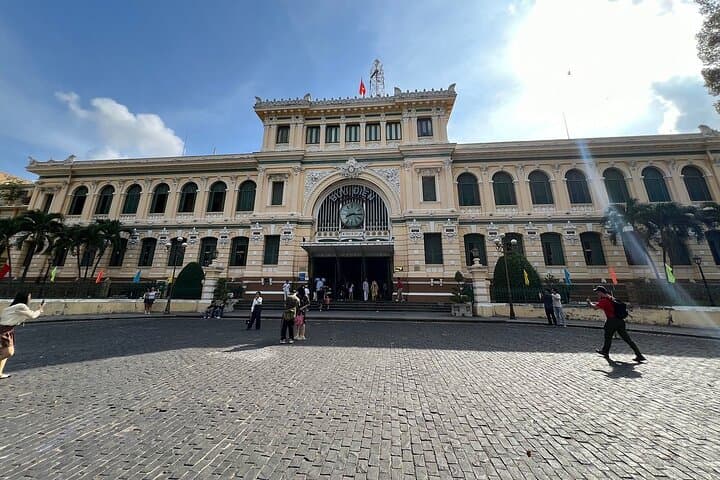
The Cu Chi Tunnels are an engineered underground world—narrow arteries carved through alluvial clay and sand that allowed fighters to live, supply and communicate beneath bombardment. Back in Ho Chi Minh City, the Independence Palace, Notre-Dame Cathedral and the Central Post Office tell a different chapter: French colonial planning overlaid by decades of modern Vietnamese life. The War Remnants Museum provides a raw, photographic counterpoint, cataloguing wartime technologies and civilian cost.
Expect a day of contrasts: crouching through a widened tunnel section, then cooling off over a simple Vietnamese lunch in District 1. Guides layer oral histories, tactical detail and local context so the sites read as human stories rather than static displays. Traffic in Saigon moves fast—plan meet-ups and pickups for punctual departures.
Practical guidance: start early to avoid peak traffic and midday heat, wear closed-toe shoes and breathable long sleeves for the tunnel visit, and bring sun protection and a refillable water bottle. Note some tunnel sections remain narrow and are modified for visitors; if you have mobility or cardiovascular concerns, inquire before booking. The private tour runs about 9–10 hours with hotel pickup and entrance fees typically included—bring your passport for some sites, and allow time afterward to explore Saigon’s cafés and markets.
moderate.
9–10 hours.
Light to moderate fitness; participants should be able to walk, stand, and crouch occasionally.
Most private tours include pickup and drop-off from hotels in District 1—confirm your pickup point when booking.
Tunnel sections for visitors are widened; you may need to crouch or stoop, but full crawling is generally not required.
This tour typically includes a local lunch and entrance fees—verify specifics on your booking confirmation.
Children can join, but narrow tunnel spaces may be uncomfortable; those with mobility or heart conditions should avoid tight sections and consult the operator.
Cu Chi’s tunnels were expanded during the Vietnam War into an extensive underground network used for shelter, supply and command; Saigon’s French-era buildings reflect the city’s colonial past and postwar transformation.
Sites are fragile—stay on marked paths, refrain from removing artifacts, and support local guides who prioritize preservation.
Authentic HA GIANG operates guided outdoor trips and adventures with an emphasis on safety, stewardship, and memorable experiences.
You step out of an air-conditioned van into humid morning air as the city’s honk and motorbike tide recede behind you. The drive northwest toward Cu Chi is a shift from glass-front towers to rubber plantations and rice paddies, where the landscape seems to hold traces of the conflict you’re about to visit.
You step out of an air-conditioned van into humid morning air as the city’s honk and motorbike tide recede behind you. The drive northwest toward Cu Chi is a shift from glass-front towers to rubber plantations and rice paddies, where the landscape seems to hold traces of the conflict you’re about to visit.
The Cu Chi Tunnels are an engineered underground world—narrow arteries carved through alluvial clay and sand that allowed fighters to live, supply and communicate beneath bombardment. Back in Ho Chi Minh City, the Independence Palace, Notre-Dame Cathedral and the Central Post Office tell a different chapter: French colonial planning overlaid by decades of modern Vietnamese life. The War Remnants Museum provides a raw, photographic counterpoint, cataloguing wartime technologies and civilian cost.
Expect a day of contrasts: crouching through a widened tunnel section, then cooling off over a simple Vietnamese lunch in District 1. Guides layer oral histories, tactical detail and local context so the sites read as human stories rather than static displays. Traffic in Saigon moves fast—plan meet-ups and pickups for punctual departures.
Practical guidance: start early to avoid peak traffic and midday heat, wear closed-toe shoes and breathable long sleeves for the tunnel visit, and bring sun protection and a refillable water bottle. Note some tunnel sections remain narrow and are modified for visitors; if you have mobility or cardiovascular concerns, inquire before booking. The private tour runs about 9–10 hours with hotel pickup and entrance fees typically included—bring your passport for some sites, and allow time afterward to explore Saigon’s cafés and markets.