THE ADVENTURE COLLECTIVE® · Independent discovery and booking for outdoor travel

A single-day loop that pairs wartime history at the Cu Chi Tunnels with a tranquil Mekong Delta sampan cruise and village stops. Expect tight underground passages, riverside workshops, and a full 12–13 hour itinerary from Ho Chi Minh City.
A single-day loop that pairs wartime history at the Cu Chi Tunnels with a tranquil Mekong Delta sampan cruise and village stops. Expect tight underground passages, riverside workshops, and a full 12–13 hour itinerary from Ho Chi Minh City.
You step out of the air-conditioned van into humid light and the thump of Ho Chi Minh traffic fades behind you. A narrow, low tunnel mouth gapes ahead; cool, earthy air pulls you in and the world above becomes distant. Hours later the river opens up into a mottled map of green islands and braided channels, sampans nudging the reeds as local women sell coconut candy and honey tea.
Verified experiences and guided adventures in the surrounding area.
Operated by TREVOPEDIA · Ho Chi Minh City, Ho Chi Minh
You step out of the air-conditioned van into humid light and the thump of Ho Chi Minh traffic fades behind you. A narrow, low tunnel mouth gapes ahead; cool, earthy air pulls you in and the world above becomes distant. Hours later the river opens up into a mottled map of green islands and braided channels, sampans nudging the reeds as local women sell coconut candy and honey tea.
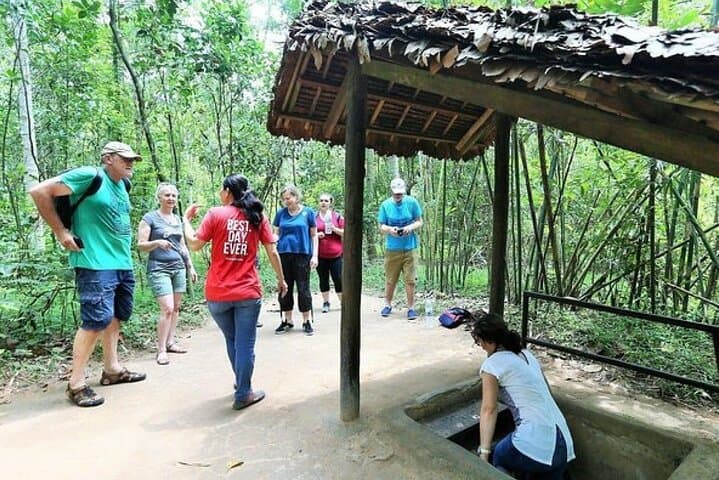
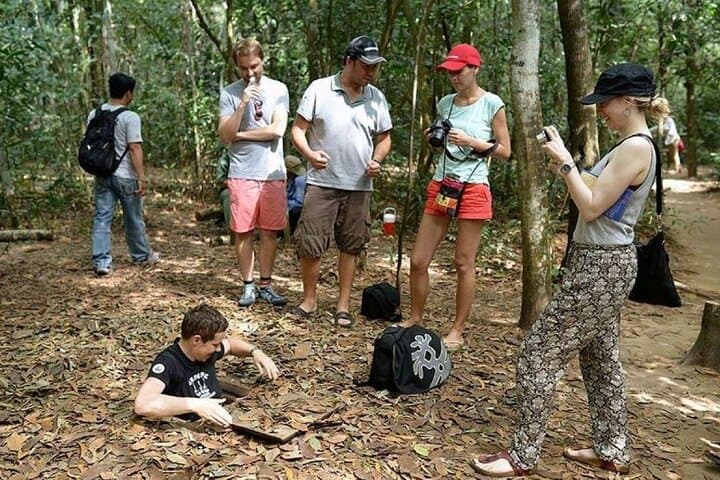
The Cu Chi Tunnels are an engineered underground village—over 250 km of interconnected passages in total, with public sections reaching several meters in length and up to 10 m deep in places. The tunnels reveal wartime ingenuity: hidden trapdoors, ventilation shafts, and compact living niches. By contrast, the Mekong Delta is recent geology—river-borne silt building islands and orchards—where floating markets, family-run workshops, and Southern Vietnamese folk music reflect a living, waterborne culture.
Practically, expect a long day: roughly 12–13 hours door-to-door with two main stops (Cu Chi then My Tho/Mekong). Terrain is flat at the delta and confined at Cu Chi—short walks, some stooped crawling in reconstructed sections. Bring closed shoes for tunnel boardwalks, a lightweight rain layer, sunscreen, insect repellent, and cash for small purchases. Hydrate in the heat; the river can feel like it’s urging you onward, the current pushing boats through narrow canals.
Respect local customs (remove shoes when visiting homes), listen closely to guide briefings on tunnel safety, and allow time for village cycling or a sampan sidetrip—those quiet canals are where the day’s quieter stories live.
easy.
12–13 hours.
Suitable for most fitness levels: involves short walks, standing, a few steps and optional gentle cycling on flat village roads.
The tour runs about 12–13 hours total, including travel time from Ho Chi Minh City and stops at Cu Chi and the Mekong Delta.
Yes—visitors can enter reconstructed tunnel sections and see living spaces and trapdoors; some areas are very low and narrow.
The Mekong section includes boat/sampan rides through canals, short walks on islands, and optional cycling on flat village roads.
Lunch at a local restaurant, mineral water, and entrance fees for included sites are typically provided—confirm specifics with the operator at booking.
Cu Chi’s tunnels were expanded by Viet Cong fighters into a defensive, living network during the mid-20th-century conflict; the Mekong Delta has been shaped over centuries by sediment deposition supporting rice and orchard agriculture.
The delta’s ecology is sensitive to boat traffic and plastic pollution—choose operators who limit single-use plastics and support local conservation initiatives.
TREVOPEDIA operates guided outdoor trips and adventures with an emphasis on safety, stewardship, and memorable experiences.
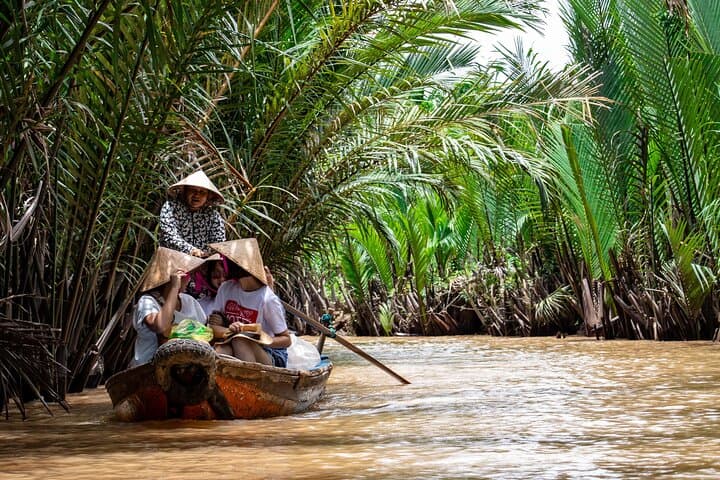
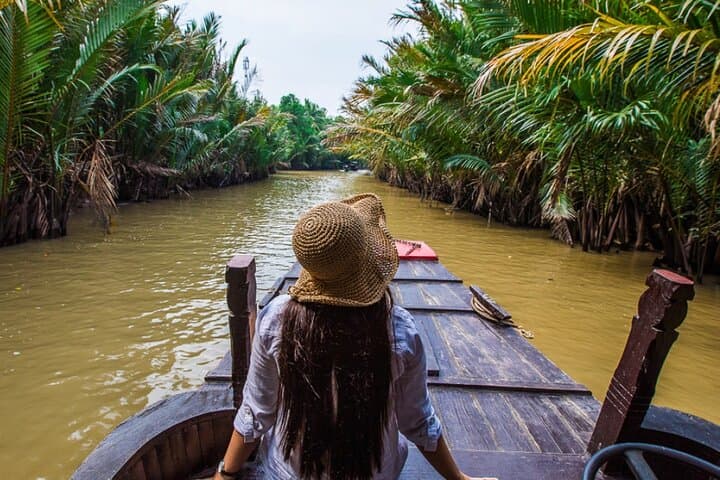
You step out of the air-conditioned van into humid light and the thump of Ho Chi Minh traffic fades behind you. A narrow, low tunnel mouth gapes ahead; cool, earthy air pulls you in and the world above becomes distant. Hours later the river opens up into a mottled map of green islands and braided channels, sampans nudging the reeds as local women sell coconut candy and honey tea.
You step out of the air-conditioned van into humid light and the thump of Ho Chi Minh traffic fades behind you. A narrow, low tunnel mouth gapes ahead; cool, earthy air pulls you in and the world above becomes distant. Hours later the river opens up into a mottled map of green islands and braided channels, sampans nudging the reeds as local women sell coconut candy and honey tea.
The Cu Chi Tunnels are an engineered underground village—over 250 km of interconnected passages in total, with public sections reaching several meters in length and up to 10 m deep in places. The tunnels reveal wartime ingenuity: hidden trapdoors, ventilation shafts, and compact living niches. By contrast, the Mekong Delta is recent geology—river-borne silt building islands and orchards—where floating markets, family-run workshops, and Southern Vietnamese folk music reflect a living, waterborne culture.
Practically, expect a long day: roughly 12–13 hours door-to-door with two main stops (Cu Chi then My Tho/Mekong). Terrain is flat at the delta and confined at Cu Chi—short walks, some stooped crawling in reconstructed sections. Bring closed shoes for tunnel boardwalks, a lightweight rain layer, sunscreen, insect repellent, and cash for small purchases. Hydrate in the heat; the river can feel like it’s urging you onward, the current pushing boats through narrow canals.
Respect local customs (remove shoes when visiting homes), listen closely to guide briefings on tunnel safety, and allow time for village cycling or a sampan sidetrip—those quiet canals are where the day’s quieter stories live.