THE ADVENTURE COLLECTIVE® · Independent discovery and booking for outdoor travel

A full-day private tour that pairs the underground resilience of the Cu Chi Tunnels with the architectural and historical highlights of Ho Chi Minh City. Expect hands-on history at the tunnels and a concise city tour of major landmarks.
A full-day private tour that pairs the underground resilience of the Cu Chi Tunnels with the architectural and historical highlights of Ho Chi Minh City. Expect hands-on history at the tunnels and a concise city tour of major landmarks.
A predawn pickup in District 1 dissolves the city’s neon into a ribbon of asphalt as the car threads northwest toward Cu Chi. Fields edge the road and the air changes — warmer, dusted with motor oil and diesel, then cooled by shaded tree lines as you arrive at the tunnel site. The entrance is modest; below, the earth seems to hold its breath.
Verified experiences and guided adventures in the surrounding area.
Operated by Authentic Travel Ho Chi Minh · Ho Chi Minh City, Ho Chi Minh
A predawn pickup in District 1 dissolves the city’s neon into a ribbon of asphalt as the car threads northwest toward Cu Chi. Fields edge the road and the air changes — warmer, dusted with motor oil and diesel, then cooled by shaded tree lines as you arrive at the tunnel site. The entrance is modest; below, the earth seems to hold its breath.
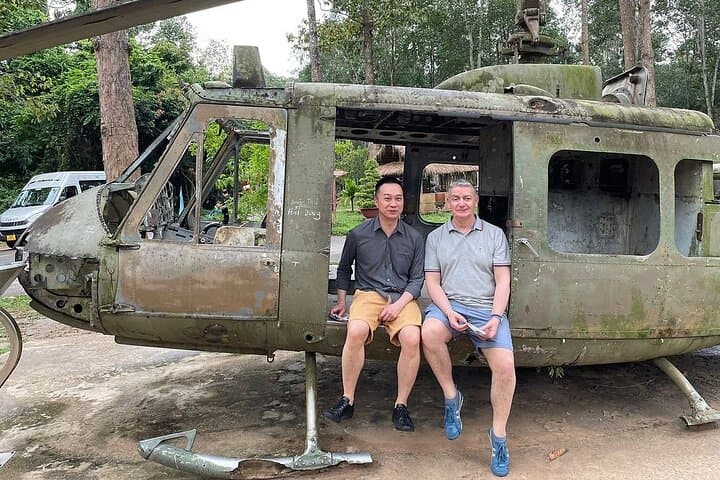
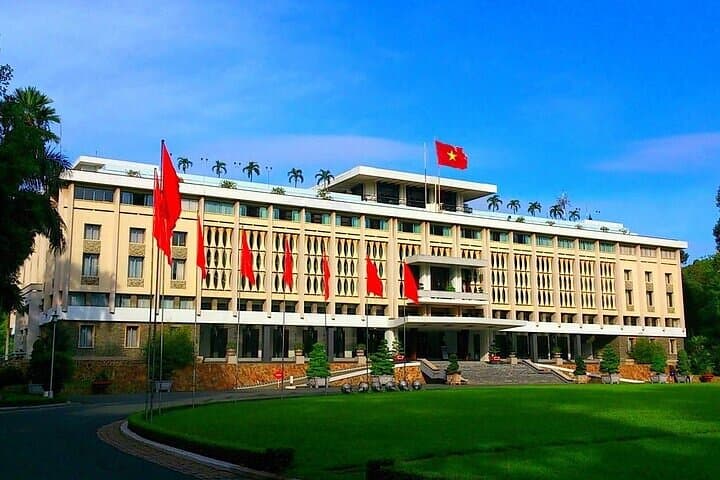
The Cu Chi Tunnels were carved from red laterite and clay, an underground network that became a wartime village and supply artery. They illustrate wartime improvisation: hidden kitchens, communication shafts and narrow galleries that tested both body and nerve. Back in Saigon, French colonial architecture sits alongside modern glass towers — Notre-Dame Cathedral, the Central Post Office and the Independence Palace each mark layers of the city’s colonial, wartime, and postwar chapters.
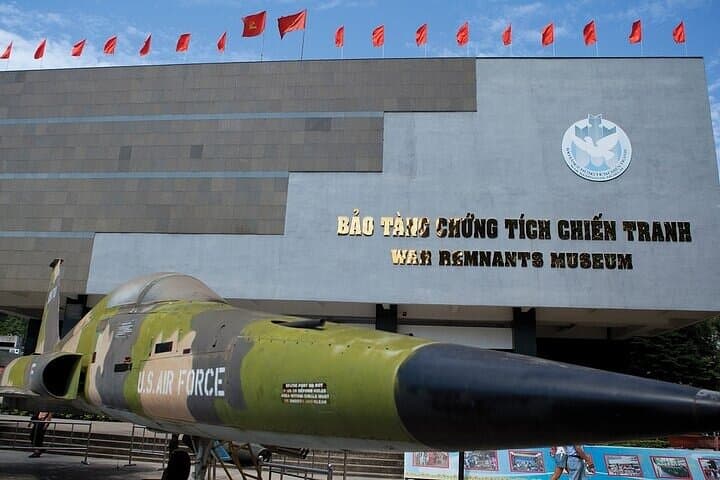
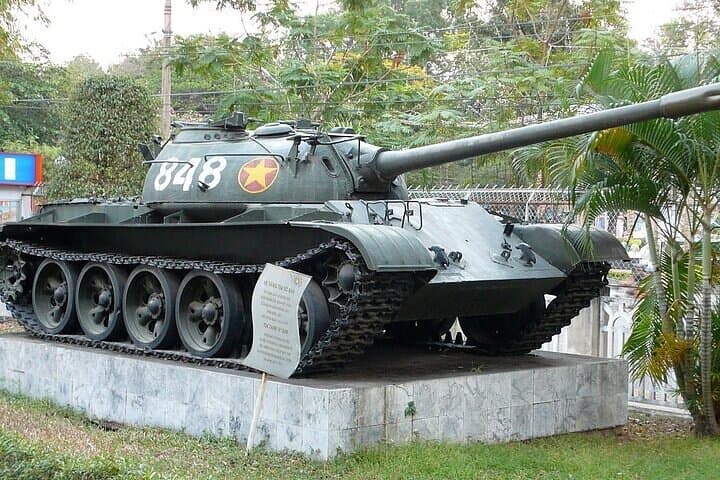
Expect guided exhibits that confront wartime realities at the War Remnants Museum and hands-on access at Cu Chi’s reinforced sections; many passages remain too tight for tall or less-mobile visitors. Cultural contrast is immediate — rice fields and guerrilla ingenuity give way to street-side coffee stalls and markets in District 1.
Practical notes: arrive early to avoid heat and crowds, wear sturdy closed-toe shoes and bring a reusable water bottle. Follow guides’ safety instructions in confined tunnel areas and treat museum exhibits with respect. The day balances physical curiosity with historical reflection: it’s as much about sensing the past beneath your feet as it is about reading its traces in the city above.
moderate.
9–10 hours.
Moderate fitness; comfortable walking, short crouches, and standing for tours; not suitable for severe mobility limits.
The transfer takes roughly 1–1.5 hours each way depending on traffic; private pickups from District 1 are standard.
Only reinforced and widened sections are open to visitors; guides advise against entering fragile or unmodified areas for safety and preservation.
Yes, lunch and bottled water are included; inform the operator of vegetarian or other dietary requirements in advance.
The tour is family-friendly but tunnel access can be physically demanding; those with spinal, cardiovascular, or pregnancy concerns should avoid crawling sections.
Cu Chi’s tunnels were expanded during the Indochina and Vietnam Wars to create a subterranean support network; Saigon’s cityscape reflects French colonial planning overlaid by wartime and modern developments.
Sites manage visitor access to fragile tunnel sections and museums emphasize preservation; stick to marked paths, avoid touching artifacts, and minimize plastic waste.
Authentic Travel Ho Chi Minh operates guided outdoor trips and adventures with an emphasis on safety, stewardship, and memorable experiences.
A predawn pickup in District 1 dissolves the city’s neon into a ribbon of asphalt as the car threads northwest toward Cu Chi. Fields edge the road and the air changes — warmer, dusted with motor oil and diesel, then cooled by shaded tree lines as you arrive at the tunnel site. The entrance is modest; below, the earth seems to hold its breath.
A predawn pickup in District 1 dissolves the city’s neon into a ribbon of asphalt as the car threads northwest toward Cu Chi. Fields edge the road and the air changes — warmer, dusted with motor oil and diesel, then cooled by shaded tree lines as you arrive at the tunnel site. The entrance is modest; below, the earth seems to hold its breath.
The Cu Chi Tunnels were carved from red laterite and clay, an underground network that became a wartime village and supply artery. They illustrate wartime improvisation: hidden kitchens, communication shafts and narrow galleries that tested both body and nerve. Back in Saigon, French colonial architecture sits alongside modern glass towers — Notre-Dame Cathedral, the Central Post Office and the Independence Palace each mark layers of the city’s colonial, wartime, and postwar chapters.
Expect guided exhibits that confront wartime realities at the War Remnants Museum and hands-on access at Cu Chi’s reinforced sections; many passages remain too tight for tall or less-mobile visitors. Cultural contrast is immediate — rice fields and guerrilla ingenuity give way to street-side coffee stalls and markets in District 1.
Practical notes: arrive early to avoid heat and crowds, wear sturdy closed-toe shoes and bring a reusable water bottle. Follow guides’ safety instructions in confined tunnel areas and treat museum exhibits with respect. The day balances physical curiosity with historical reflection: it’s as much about sensing the past beneath your feet as it is about reading its traces in the city above.