THE ADVENTURE COLLECTIVE® · Independent discovery and booking for outdoor travel

Travel by limousine from Ho Chi Minh City to the Cu Chi Tunnels for a comfortable, history-rich day trip. Explore reconstructed galleries, wartime kitchens and exhibits with an English-speaking guide, then return in air-conditioned comfort.
Travel by limousine from Ho Chi Minh City to the Cu Chi Tunnels for a comfortable, history-rich day trip. Explore reconstructed galleries, wartime kitchens and exhibits with an English-speaking guide, then return in air-conditioned comfort.
You step from an air-conditioned limousine into a patch of sun and coconut palms, the city noise already a distant hum. The road from Ho Chi Minh City eases into rice paddies and low marshland; the guide points out trench remnants and explains how villagers once moved unseen through this flat, wet country.
Verified experiences and guided adventures in the surrounding area.
Operated by Authentic HALONG · Củ Chi, Ho Chi Minh City
You step from an air-conditioned limousine into a patch of sun and coconut palms, the city noise already a distant hum. The road from Ho Chi Minh City eases into rice paddies and low marshland; the guide points out trench remnants and explains how villagers once moved unseen through this flat, wet country.
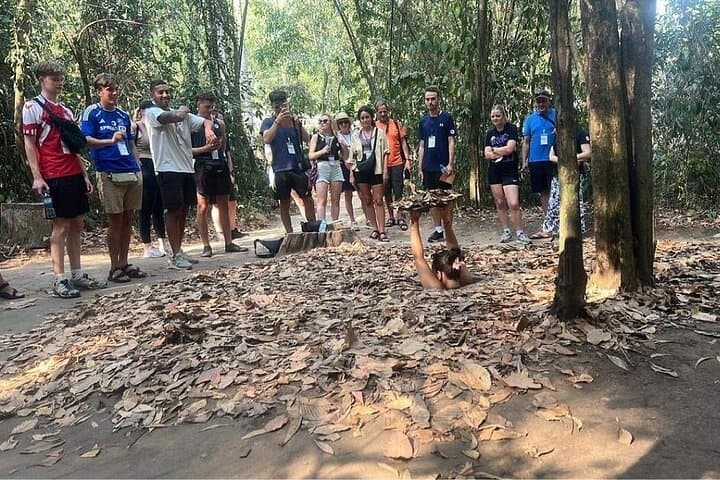
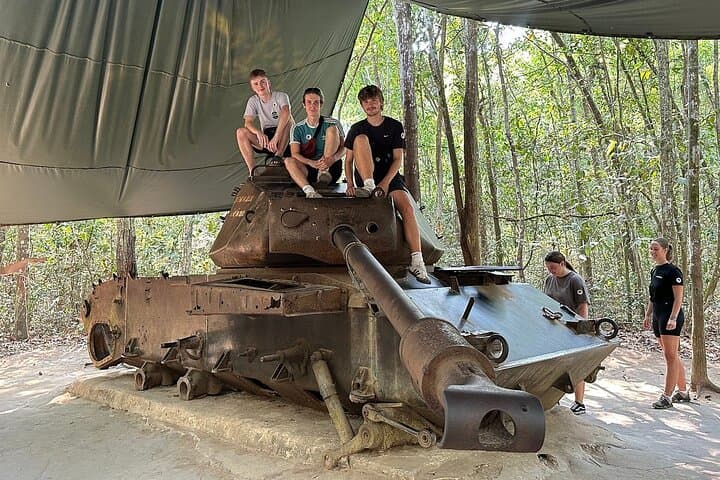
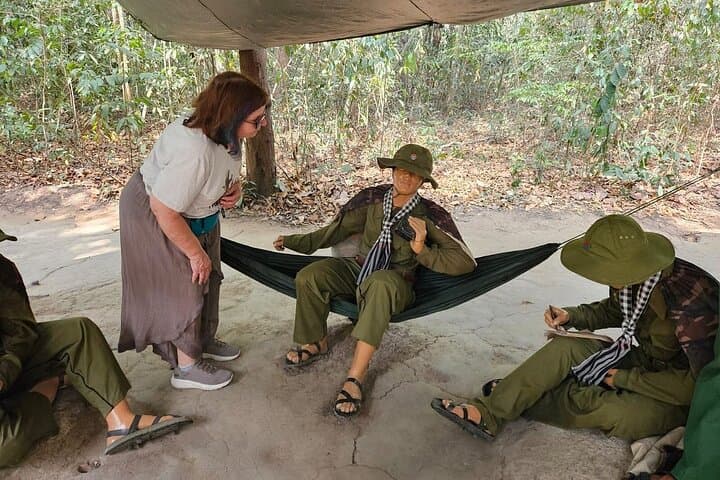
The Cu Chi Tunnels were dug and expanded by Viet Cong fighters during the mid-20th century as a defensive and logistical network. Geologically the region is alluvial—soft soils that made tunneling possible but also required constant repair and clever ventilation. At the visitor circuit you'll see reconstructed rooms, hidden trapdoors and short sections of the original galleries, plus museum displays of period artifacts and maps.
Culturally, Cu Chi is more than a battlefield: it reflects rural Vietnamese ingenuity—cooking pits, concealed wells and survival techniques adapted to a humid, tropical climate. Guides often explain local life then and now, and some sites include a supervised shooting range for visitors interested in the technology of the era.
Practically, expect about a 70 km roundtrip from central Ho Chi Minh City and a 6–8 hour outing including hotel pickup and drop-off. Wear closed-toe shoes, bring a water bottle and be ready to duck and crouch through short, narrow tunnel replicas. Photography is allowed in most areas but show respect at memorial displays. If heat or rain are concerns, schedule the tour for morning departures—the limousine transfer keeps the transit comfortable and gives you time to focus on the history on site.
easy.
6–8 hours.
Light walking on uneven ground and short stooping required; suitable for average fitness levels
The transfer is roughly 60–90 minutes each way depending on traffic; the tour package typically allows 6–8 hours total including transit.
Visitors see both preserved original sections and widened or reconstructed galleries; staff maintain visitor routes and entry is optional for those who prefer surface exhibits.
Yes — most tours include a set lunch and light refreshments in the vehicle; notify the operator in advance for vegetarian meals.
Children can join, but tunnel access and the on-site shooting range may have age or size restrictions—check with the operator when booking.
The tunnels were built and expanded by Viet Cong units during the First Indochina War and the Vietnam War as a multifunctional underground network for command, living and logistics.
Site managers balance visitor access with preservation by limiting entry to fragile areas, funding repairs, and encouraging surface respect to reduce erosion and artifact damage.
Authentic HALONG operates guided outdoor trips and adventures with an emphasis on safety, stewardship, and memorable experiences.

You step from an air-conditioned limousine into a patch of sun and coconut palms, the city noise already a distant hum. The road from Ho Chi Minh City eases into rice paddies and low marshland; the guide points out trench remnants and explains how villagers once moved unseen through this flat, wet country.
You step from an air-conditioned limousine into a patch of sun and coconut palms, the city noise already a distant hum. The road from Ho Chi Minh City eases into rice paddies and low marshland; the guide points out trench remnants and explains how villagers once moved unseen through this flat, wet country.
The Cu Chi Tunnels were dug and expanded by Viet Cong fighters during the mid-20th century as a defensive and logistical network. Geologically the region is alluvial—soft soils that made tunneling possible but also required constant repair and clever ventilation. At the visitor circuit you'll see reconstructed rooms, hidden trapdoors and short sections of the original galleries, plus museum displays of period artifacts and maps.
Culturally, Cu Chi is more than a battlefield: it reflects rural Vietnamese ingenuity—cooking pits, concealed wells and survival techniques adapted to a humid, tropical climate. Guides often explain local life then and now, and some sites include a supervised shooting range for visitors interested in the technology of the era.
Practically, expect about a 70 km roundtrip from central Ho Chi Minh City and a 6–8 hour outing including hotel pickup and drop-off. Wear closed-toe shoes, bring a water bottle and be ready to duck and crouch through short, narrow tunnel replicas. Photography is allowed in most areas but show respect at memorial displays. If heat or rain are concerns, schedule the tour for morning departures—the limousine transfer keeps the transit comfortable and gives you time to focus on the history on site.