THE ADVENTURE COLLECTIVE® · Independent discovery and booking for outdoor travel

Explore the less-crowded Ben Duoc section of the Cu Chi Tunnels on a half-day, small-group tour from Ho Chi Minh City. Crawl original galleries, see command centers and wartime kitchens, and learn how local geology and ingenuity shaped guerrilla survival.
Explore the less-crowded Ben Duoc section of the Cu Chi Tunnels on a half-day, small-group tour from Ho Chi Minh City. Crawl original galleries, see command centers and wartime kitchens, and learn how local geology and ingenuity shaped guerrilla survival.
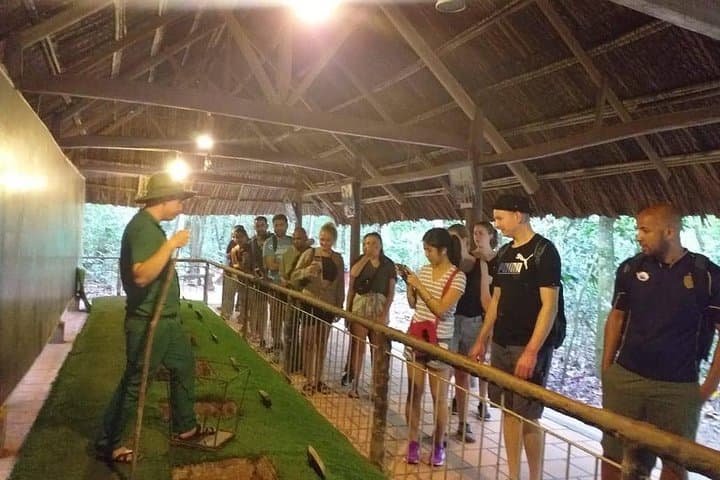
You step off the shaded lane and the rice-flat plain opens, only a few scattered houses and the distant hum of Highway 22 separating you from the entrance. Heat hangs low; a guide leads the group past bunkers and through a carved clearing where the earth suddenly feels intentional—punctured, camouflaged, lived in.
Verified experiences and guided adventures in the surrounding area.
Operated by Hana Tourist Vietnam · Ho Chi Minh City, Ho Chi Minh
You step off the shaded lane and the rice-flat plain opens, only a few scattered houses and the distant hum of Highway 22 separating you from the entrance. Heat hangs low; a guide leads the group past bunkers and through a carved clearing where the earth suddenly feels intentional—punctured, camouflaged, lived in.
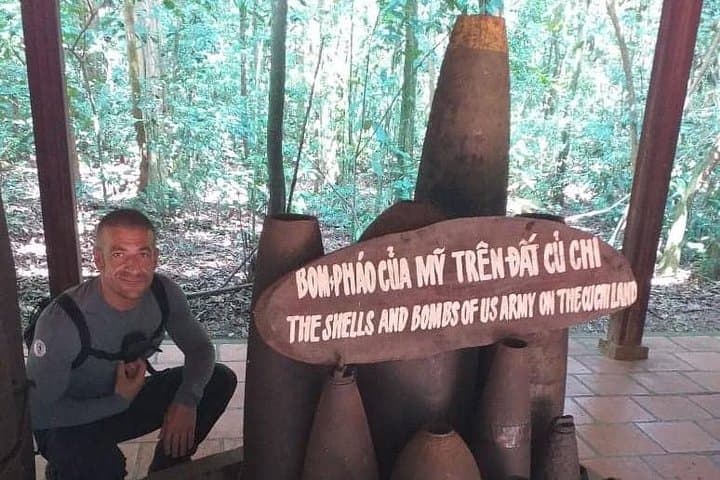
Ben Duoc was a fortified hub for Viet Cong operations during the Vietnam War. Unlike the more commercialized Ben Dinh site, Ben Duoc preserves longer stretches of original tunnel and reconstructed chambers: weapon stores, command rooms, field hospitals and hidden kitchens where soldiers stretched supplies into survival.
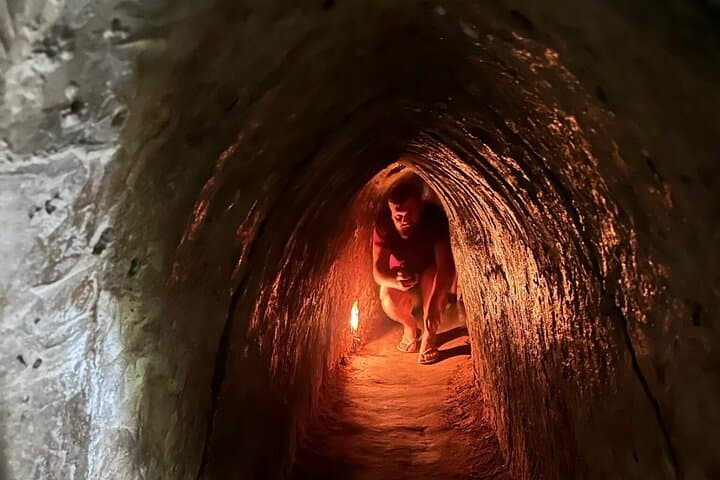
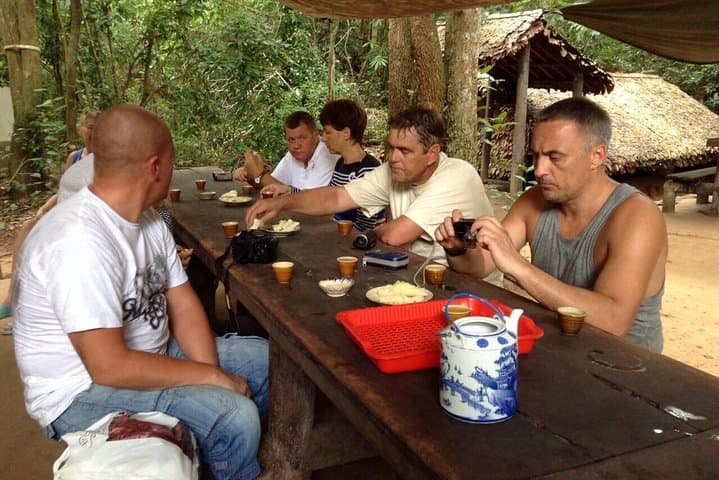
Geology here is soft alluvial soil, easy to excavate yet prone to collapse if abused—engineered by necessity into deliberately narrow shafts and zigzag galleries that confuse and protect. The culture that grew around these tunnels is one of endurance; local villages still sell cassava and tea, staples that sustained soldiers and now form part of the interpretive experience.
Practical guidance: this is a half-day small-group tour (about 6–7 hours with hotel pickup from Ho Chi Minh City). Expect short, low, and sometimes damp crawl spaces—flexible clothing and closed-toe shoes are mandatory. Bring insect repellent, some cash for optional souvenirs or the firing range, and a camera with a strap; many exhibits are photographed from above. If you’re claustrophobic or pregnant, skip the tight sections: alternate viewing galleries let you observe without entering.
The visit rewards curiosity and respect: move deliberately, follow your guide, and leave the earth as you found it.
moderate.
6–7 hours.
Light-to-moderate fitness needed: able to bend, crouch, and crawl short distances; comfortable walking on uneven ground.
The shared half-day tour runs about 6–7 hours including hotel pickup and drop-off from Ho Chi Minh City; entrance fees, drinking water and an English-speaking guide are included.
Some tunnel sections are very narrow; guides provide alternative viewing galleries and above-ground exhibits for guests who prefer not to crawl.
The shooting range is optional and typically costs extra; age and safety requirements apply—ask your guide on arrival.
Parts of the Ben Duoc park and the visitor areas are accessible, but the tunnel galleries themselves require bending and crawling and are not wheelchair-friendly.
Ben Duoc was a major Viet Cong stronghold and logistical base; its tunnel systems supported command, medical care, and supply storage during the conflict.
Visitors are asked to stay on marked paths, avoid touching fragile tunnel walls, and pack out litter—preservation relies on respectful tourism.
Hana Tourist Vietnam operates guided outdoor trips and adventures with an emphasis on safety, stewardship, and memorable experiences.
You step off the shaded lane and the rice-flat plain opens, only a few scattered houses and the distant hum of Highway 22 separating you from the entrance. Heat hangs low; a guide leads the group past bunkers and through a carved clearing where the earth suddenly feels intentional—punctured, camouflaged, lived in.
You step off the shaded lane and the rice-flat plain opens, only a few scattered houses and the distant hum of Highway 22 separating you from the entrance. Heat hangs low; a guide leads the group past bunkers and through a carved clearing where the earth suddenly feels intentional—punctured, camouflaged, lived in.
Ben Duoc was a fortified hub for Viet Cong operations during the Vietnam War. Unlike the more commercialized Ben Dinh site, Ben Duoc preserves longer stretches of original tunnel and reconstructed chambers: weapon stores, command rooms, field hospitals and hidden kitchens where soldiers stretched supplies into survival.
Geology here is soft alluvial soil, easy to excavate yet prone to collapse if abused—engineered by necessity into deliberately narrow shafts and zigzag galleries that confuse and protect. The culture that grew around these tunnels is one of endurance; local villages still sell cassava and tea, staples that sustained soldiers and now form part of the interpretive experience.
Practical guidance: this is a half-day small-group tour (about 6–7 hours with hotel pickup from Ho Chi Minh City). Expect short, low, and sometimes damp crawl spaces—flexible clothing and closed-toe shoes are mandatory. Bring insect repellent, some cash for optional souvenirs or the firing range, and a camera with a strap; many exhibits are photographed from above. If you’re claustrophobic or pregnant, skip the tight sections: alternate viewing galleries let you observe without entering.
The visit rewards curiosity and respect: move deliberately, follow your guide, and leave the earth as you found it.