THE ADVENTURE COLLECTIVE® · Independent discovery and booking for outdoor travel

Combine a river speedboat and vintage Vespa to move between wartime tunnels and Saigon’s street-level life. This full-day tour mixes hands-on history at Cu Chi with local neighborhoods and hidden pagodas on two wheels.
Combine a river speedboat and vintage Vespa to move between wartime tunnels and Saigon’s street-level life. This full-day tour mixes hands-on history at Cu Chi with local neighborhoods and hidden pagodas on two wheels.
The day begins at dawn on the Saigon River, where the speedboat cleaves through floating hyacinths and the city’s skyline blurs into mangrove edges. Wind pushes at your face as the river guides you north; the water seems intent on carrying you back through layers of Vietnam’s past.
Verified experiences and guided adventures in the surrounding area.
Operated by Mekong Tourist · Ho Chi Minh City, Ho Chi Minh
The day begins at dawn on the Saigon River, where the speedboat cleaves through floating hyacinths and the city’s skyline blurs into mangrove edges. Wind pushes at your face as the river guides you north; the water seems intent on carrying you back through layers of Vietnam’s past.
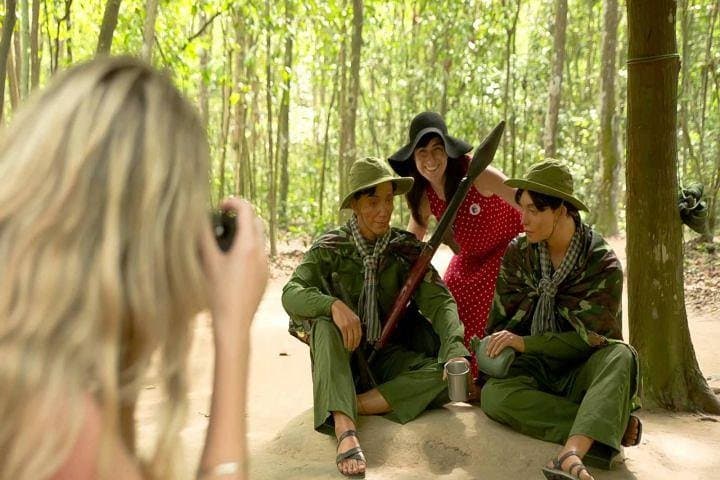
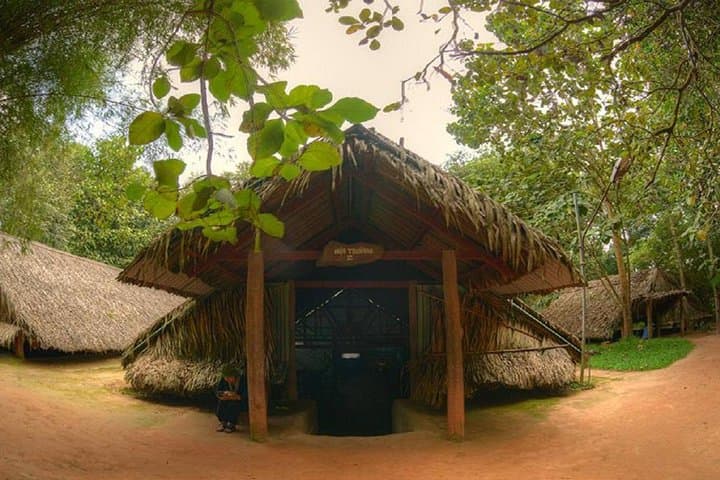
At Cu Chi the land keeps its own stories. The tunnel network—hand-dug across decades of conflict—shows the pragmatism of guerrilla engineering: narrow passageways, hidden trapdoors and crude stoves hewn into clay. The surrounding flatlands are former rice paddies and later reclaimed scrub, a geography that shaped how people lived and fought here.
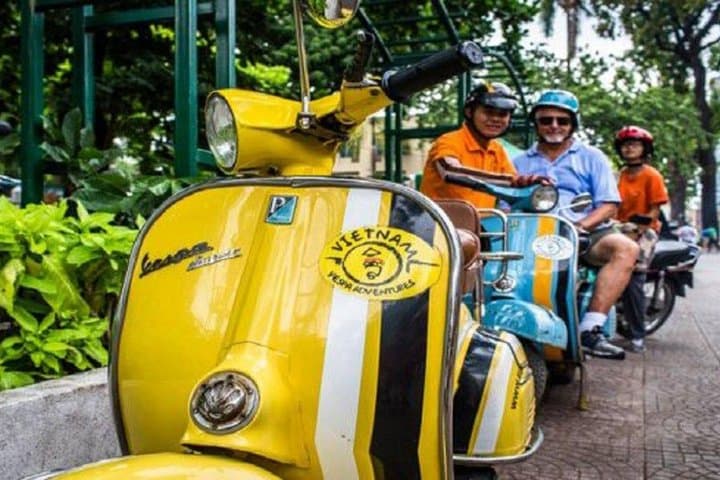
After a riverside lunch, the pace flips. Vintage Vespas thread through Saigon’s arteries where hawkers, pagodas and family shops define daily life. Your guide points out a quiet Buddhist pagoda rarely seen by tourists and a Chinese herbalist’s shop that still blends eastern and southern influences.
Practical notes: expect an active day—some tunnel sections require crouching or short crawling; footwear should be sturdy and washable. Sun and river wind alternately demand sun protection and a light layer. Bring water, be ready for urban traffic noise, and leave room in your schedule for unexpected street-side stops.
This is a layered trip: river travel, historical exploration and motorbike-side cultural immersion—compact, tactile and driven by motion. It’s both a primer on modern Saigon and a grounded introduction to the wartime landscape that shaped it.
moderate.
8–10 hours.
Suitable for travelers with moderate fitness—able to sit on a scooter, climb short steps and crouch through narrow tunnel sections.
Yes—hotel pickup and drop-off in Ho Chi Minh City are included; confirm pickup point when booking.
Many sections are open for visitors; crawling is optional but requires basic mobility and willingness to crouch in tight spaces.
Restored Vespas are maintained for tours and drivers are experienced; passengers should follow helmet and safety instructions given by staff.
Yes—this tour includes a traditional riverside lunch and some refreshments like cold towels and local fruit.
The Cu Chi tunnels are part of an extensive underground network expanded during the mid-20th century conflicts; they illustrate local wartime improvisation and survival strategies.
Respect restoration efforts at Cu Chi by staying on marked paths and avoiding litter; boat operators are encouraged to minimize wake near fragile riverbank vegetation.
Mekong Tourist operates guided outdoor trips and adventures with an emphasis on safety, stewardship, and memorable experiences.

The day begins at dawn on the Saigon River, where the speedboat cleaves through floating hyacinths and the city’s skyline blurs into mangrove edges. Wind pushes at your face as the river guides you north; the water seems intent on carrying you back through layers of Vietnam’s past.
The day begins at dawn on the Saigon River, where the speedboat cleaves through floating hyacinths and the city’s skyline blurs into mangrove edges. Wind pushes at your face as the river guides you north; the water seems intent on carrying you back through layers of Vietnam’s past.
At Cu Chi the land keeps its own stories. The tunnel network—hand-dug across decades of conflict—shows the pragmatism of guerrilla engineering: narrow passageways, hidden trapdoors and crude stoves hewn into clay. The surrounding flatlands are former rice paddies and later reclaimed scrub, a geography that shaped how people lived and fought here.
After a riverside lunch, the pace flips. Vintage Vespas thread through Saigon’s arteries where hawkers, pagodas and family shops define daily life. Your guide points out a quiet Buddhist pagoda rarely seen by tourists and a Chinese herbalist’s shop that still blends eastern and southern influences.
Practical notes: expect an active day—some tunnel sections require crouching or short crawling; footwear should be sturdy and washable. Sun and river wind alternately demand sun protection and a light layer. Bring water, be ready for urban traffic noise, and leave room in your schedule for unexpected street-side stops.
This is a layered trip: river travel, historical exploration and motorbike-side cultural immersion—compact, tactile and driven by motion. It’s both a primer on modern Saigon and a grounded introduction to the wartime landscape that shaped it.