THE ADVENTURE COLLECTIVE® · Independent discovery and booking for outdoor travel

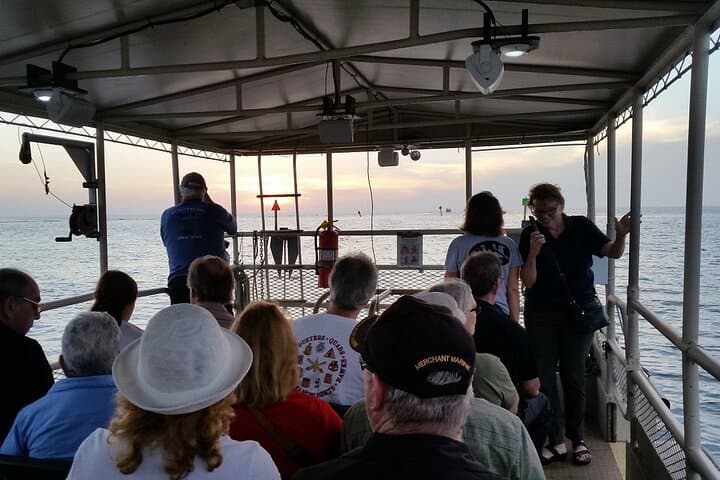
Glide through a spring-fed estuary on a 24-passenger tour around Crystal River. Naturalists point out manatees, dolphins, eagles and shorebirds while narrating the area's ecology and history.
Glide through a spring-fed estuary on a 24-passenger tour around Crystal River. Naturalists point out manatees, dolphins, eagles and shorebirds while narrating the area's ecology and history.
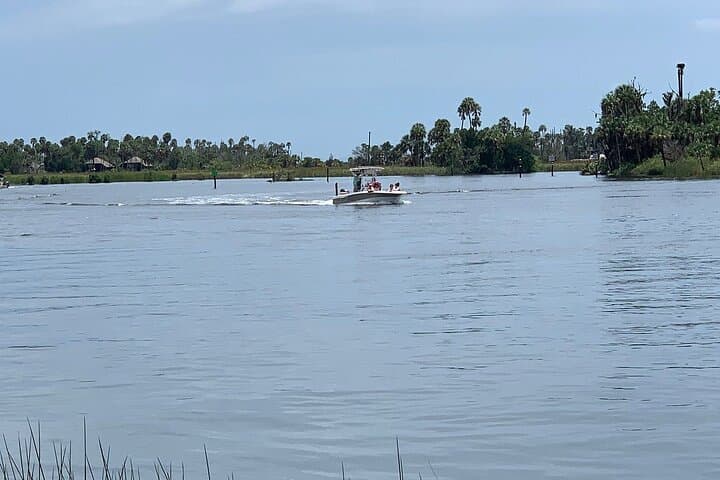
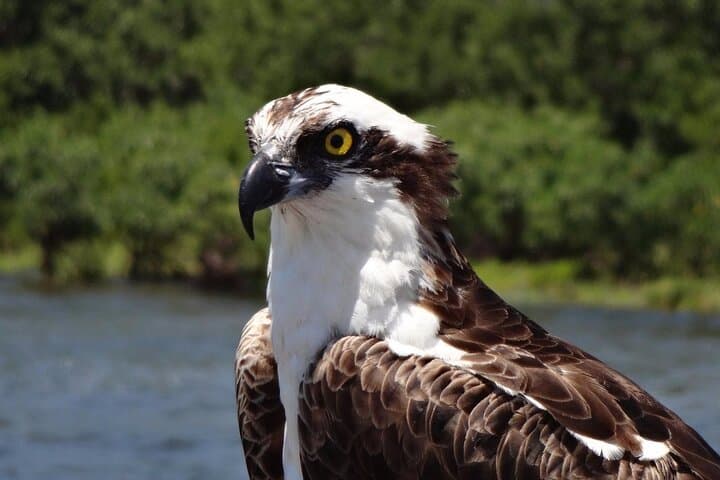
The boat slips away from the visitor center and the estuary opens like a pale sheet of glass; the river seems to breathe, pushing you forward toward mangrove-lined channels and open bay. Onboard Monroe, a naturalist’s voice sketches the scene — the low hum of the engine, the keening call of a bald eagle, and the sudden arc of an osprey diving for a fish. Manatees surface with slow curiosity; dolphins thread the wake with quicksilver grace.
Verified experiences and guided adventures in the surrounding area.
Operated by Guest Services Inc · Crystal River, Florida
The boat slips away from the visitor center and the estuary opens like a pale sheet of glass; the river seems to breathe, pushing you forward toward mangrove-lined channels and open bay. Onboard Monroe, a naturalist’s voice sketches the scene — the low hum of the engine, the keening call of a bald eagle, and the sudden arc of an osprey diving for a fish. Manatees surface with slow curiosity; dolphins thread the wake with quicksilver grace.
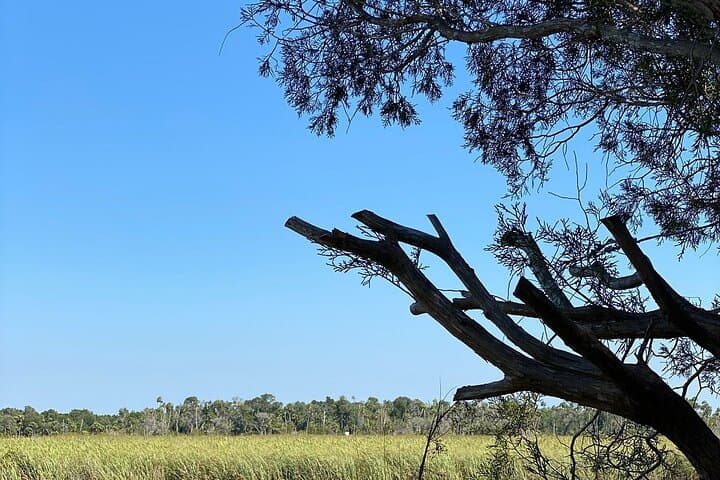
This stretch of coastline is fed by the Floridan aquifer; spring-fed freshwater mixes with Gulf tides to create a rare estuary that has sustained people and wildlife for millennia. Indigenous communities and later maritime settlers relied on these resources; today the preserve protects archaeological sites and rare coastal habitats. Geology here is subtle but decisive — limestone base, abundant springs, and shallow muck flats that attract shorebirds at low tide.
Expect close wildlife viewing rather than guaranteed encounters. Naturalists interpret bird behavior, estuarine ecology, and local conservation efforts while steering to likely feeding areas. Sunset tours add long, golden flats and a cooler breeze; daytime runs focus on active dolphins and shorebird foraging.
Practical guidance: wear sun-protective layers, bring binoculars and a camera with a steadying strap, and plan to board from the visitor-center dock 10–15 minutes early. If you’re prone to motion sickness, choose a mid-morning run and take preventive measures. The trip is short (about 75 minutes), accessible to most visitors, and an efficient way to see Crystal River’s wildlife-rich waters without strenuous effort.
easy.
1–1.5 hours.
Suitable for most fitness levels; minimal mobility required for boarding and short periods standing.
No—manatee sightings are common but not guaranteed; they follow food and tide patterns, so sightings depend on season and local conditions.
Yes; the tour notes indicate wheelchair accessibility and assistance is available for boarding from the visitor-center dock.
Infants must sit on an adult’s lap; strollers can be brought but space is limited—arrive early to settle in.
Tours are cancelled in severe weather; for full refund cancel at least 24 hours before departure per the operator’s standard policy.
The preserve area has long been shaped by Native American use and later maritime industries; spring-fed waters made it a focal point for settlements and shell mounds.
Boating regulations and protected zones exist to reduce disturbance to manatees and nesting shorebirds; follow posted speed limits and naturalist guidance to minimize impact.
Guest Services Inc operates guided outdoor trips and adventures with an emphasis on safety, stewardship, and memorable experiences.
The boat slips away from the visitor center and the estuary opens like a pale sheet of glass; the river seems to breathe, pushing you forward toward mangrove-lined channels and open bay. Onboard Monroe, a naturalist’s voice sketches the scene — the low hum of the engine, the keening call of a bald eagle, and the sudden arc of an osprey diving for a fish. Manatees surface with slow curiosity; dolphins thread the wake with quicksilver grace.
The boat slips away from the visitor center and the estuary opens like a pale sheet of glass; the river seems to breathe, pushing you forward toward mangrove-lined channels and open bay. Onboard Monroe, a naturalist’s voice sketches the scene — the low hum of the engine, the keening call of a bald eagle, and the sudden arc of an osprey diving for a fish. Manatees surface with slow curiosity; dolphins thread the wake with quicksilver grace.
This stretch of coastline is fed by the Floridan aquifer; spring-fed freshwater mixes with Gulf tides to create a rare estuary that has sustained people and wildlife for millennia. Indigenous communities and later maritime settlers relied on these resources; today the preserve protects archaeological sites and rare coastal habitats. Geology here is subtle but decisive — limestone base, abundant springs, and shallow muck flats that attract shorebirds at low tide.
Expect close wildlife viewing rather than guaranteed encounters. Naturalists interpret bird behavior, estuarine ecology, and local conservation efforts while steering to likely feeding areas. Sunset tours add long, golden flats and a cooler breeze; daytime runs focus on active dolphins and shorebird foraging.
Practical guidance: wear sun-protective layers, bring binoculars and a camera with a steadying strap, and plan to board from the visitor-center dock 10–15 minutes early. If you’re prone to motion sickness, choose a mid-morning run and take preventive measures. The trip is short (about 75 minutes), accessible to most visitors, and an efficient way to see Crystal River’s wildlife-rich waters without strenuous effort.