THE ADVENTURE COLLECTIVE® · Independent discovery and booking for outdoor travel

Spend five hours hunting bay scallops in the clear, spring-fed flats off Crystal River. This private charter for up to four includes snorkel gear, bottled water, and a chef-prepared scallop ceviche finale.
Spend five hours hunting bay scallops in the clear, spring-fed flats off Crystal River. This private charter for up to four includes snorkel gear, bottled water, and a chef-prepared scallop ceviche finale.
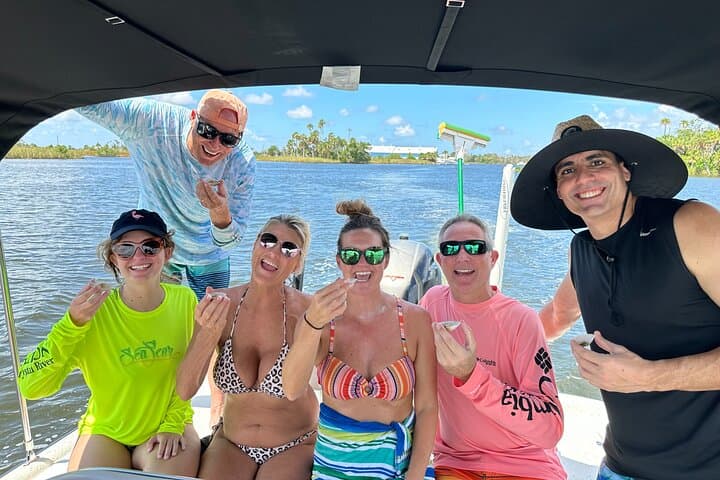
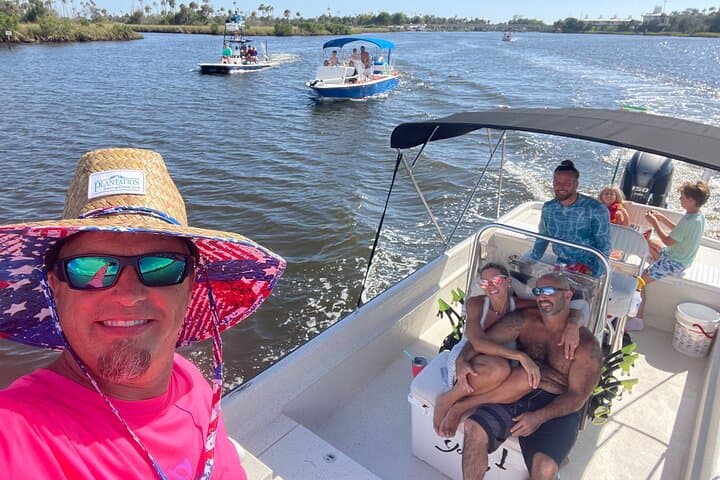
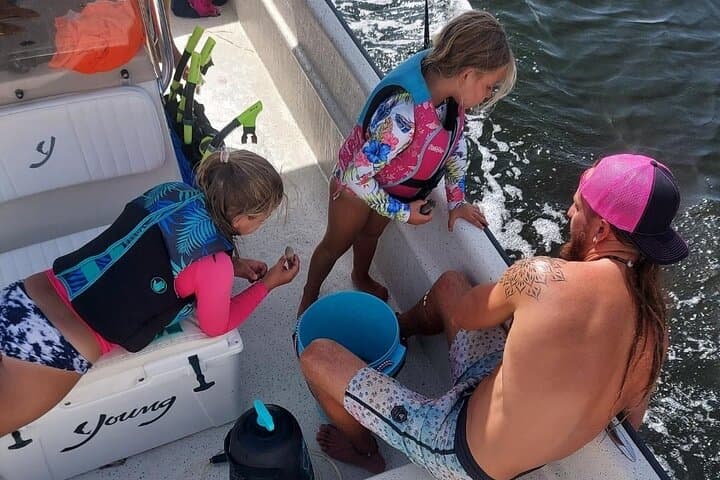
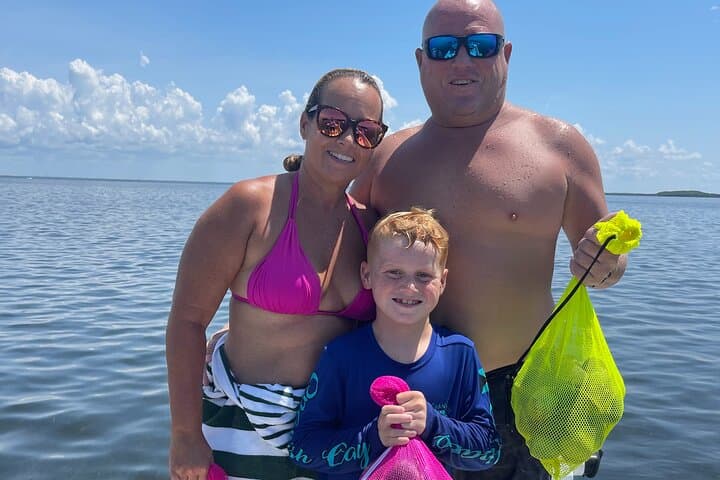
Salt-bright air and the steady hum of an outboard set the scene as you push away from a private dock on Crystal River. The boat slips into clear, shallow bays where the seagrass flats roll like green carpets and the water dares you to look deeper. The captain cuts the throttle near a sandy patch; masks drop and the hunt begins—small, ribbed scallops tucked among blades of eelgrass, glinting like pale coins.
Verified experiences and guided adventures in the surrounding area.
Operated by Manatee Swim Center · Crystal River, Florida
Salt-bright air and the steady hum of an outboard set the scene as you push away from a private dock on Crystal River. The boat slips into clear, shallow bays where the seagrass flats roll like green carpets and the water dares you to look deeper. The captain cuts the throttle near a sandy patch; masks drop and the hunt begins—small, ribbed scallops tucked among blades of eelgrass, glinting like pale coins.
This coastline carries layered histories: Indigenous shell middens left by peoples who relied on the same flats, early commercial fishermen who shaped local ports, and modern conservation efforts centered on manatees and seagrass habitat. Geologically, the area is karst limestone intersected by freshwater springs; those clear spring discharges keep water temperatures moderated and visibility high in many seasons.
Culturally, Crystal River balances fishing-town practicality with eco-tourism—captains double as naturalists and local chefs sometimes finish the trip with ceviche from the day’s catch. Expect plenty of wildlife: manatees frequent the springs, and bottlenose dolphins patrol the passes.
Practical guidance: trips are five hours, private for up to four, and typically provide snorkel gear, towels, bottled water, and a licensed captain. Bring reef-safe sunscreen, a hat, and a lightweight change of clothes for the spring dip at the end. Follow the captain’s brief on bag limits and protected areas—Florida scalloping is seasonal and regulated. If you’re comfortable swimming and snorkeling in waist-to-chest-deep water, this is accessible and rewarding; for everyone else, staying on deck still offers excellent wildlife viewing.
Plan for sun, have a waterproof bag for phones, and time your trip for morning light when visibility and marine activity are often best.
moderate.
5 hours.
Moderate fitness; able to snorkel and enter waist-to-chest-deep water repeatedly
The charter provides necessary licenses and snorkeling equipment—confirm with the operator at booking, but guests typically do not need to purchase separate permits.
Yes—private charters accommodate families, but children should be comfortable in the water and supervised; infant seats and safety gear are available on request.
Operators will cancel for unsafe conditions; you can get a full refund if canceled at least 24 hours before departure or if the captain cancels due to weather.
You may keep scallops within state bag limits and season rules—captain will explain limits and may clean or prepare a small portion onboard as part of the experience.
The area around Crystal River has long been used by Native American communities and later developed as a working shellfish and fishing region; shell middens along the shore record centuries of coastal harvest.
Seagrass and manatee protections shape how and when scalloping can occur—follow captain guidance, use reef-safe products, and avoid disturbing resting manatees.
Manatee Swim Center operates guided outdoor trips and adventures with an emphasis on safety, stewardship, and memorable experiences.
Salt-bright air and the steady hum of an outboard set the scene as you push away from a private dock on Crystal River. The boat slips into clear, shallow bays where the seagrass flats roll like green carpets and the water dares you to look deeper. The captain cuts the throttle near a sandy patch; masks drop and the hunt begins—small, ribbed scallops tucked among blades of eelgrass, glinting like pale coins.
Salt-bright air and the steady hum of an outboard set the scene as you push away from a private dock on Crystal River. The boat slips into clear, shallow bays where the seagrass flats roll like green carpets and the water dares you to look deeper. The captain cuts the throttle near a sandy patch; masks drop and the hunt begins—small, ribbed scallops tucked among blades of eelgrass, glinting like pale coins.
This coastline carries layered histories: Indigenous shell middens left by peoples who relied on the same flats, early commercial fishermen who shaped local ports, and modern conservation efforts centered on manatees and seagrass habitat. Geologically, the area is karst limestone intersected by freshwater springs; those clear spring discharges keep water temperatures moderated and visibility high in many seasons.
Culturally, Crystal River balances fishing-town practicality with eco-tourism—captains double as naturalists and local chefs sometimes finish the trip with ceviche from the day’s catch. Expect plenty of wildlife: manatees frequent the springs, and bottlenose dolphins patrol the passes.
Practical guidance: trips are five hours, private for up to four, and typically provide snorkel gear, towels, bottled water, and a licensed captain. Bring reef-safe sunscreen, a hat, and a lightweight change of clothes for the spring dip at the end. Follow the captain’s brief on bag limits and protected areas—Florida scalloping is seasonal and regulated. If you’re comfortable swimming and snorkeling in waist-to-chest-deep water, this is accessible and rewarding; for everyone else, staying on deck still offers excellent wildlife viewing.
Plan for sun, have a waterproof bag for phones, and time your trip for morning light when visibility and marine activity are often best.