THE ADVENTURE COLLECTIVE® · Independent discovery and booking for outdoor travel

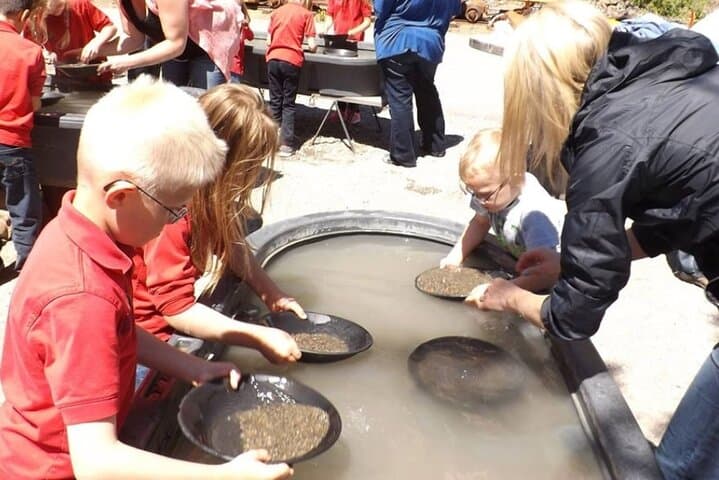
Descend into a cool, well-lit hard-rock mine in Wallace, Idaho, where guides demonstrate hand-steeling and you try 30 minutes of gold panning. This family-friendly combo pairs mining history with hands-on prospector activities.
Descend into a cool, well-lit hard-rock mine in Wallace, Idaho, where guides demonstrate hand-steeling and you try 30 minutes of gold panning. This family-friendly combo pairs mining history with hands-on prospector activities.
You step off the wooden boardwalk and into a cool, fifty-degree tunnel where the rock seems to close in with purpose. Light from your mini-flashlight slides over quartz veins and a faint metallic gleam — the same streaks that drew prospectors into these hills a century ago. The guide's voice is low but precise, pointing out hand-steeling marks and the method behind hard-rock mining as water from the adit hisses just beyond earshot.
Verified experiences and guided adventures in the surrounding area.
Operated by Crystal Gold Mine · Wallace, Idaho
You step off the wooden boardwalk and into a cool, fifty-degree tunnel where the rock seems to close in with purpose. Light from your mini-flashlight slides over quartz veins and a faint metallic gleam — the same streaks that drew prospectors into these hills a century ago. The guide's voice is low but precise, pointing out hand-steeling marks and the method behind hard-rock mining as water from the adit hisses just beyond earshot.
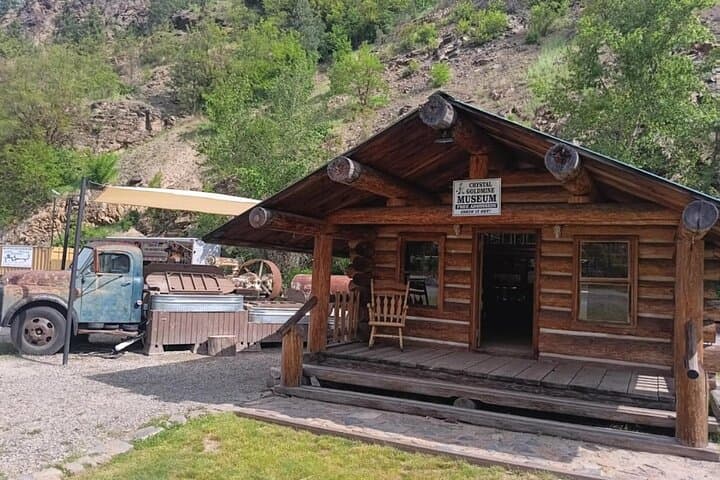
The Crystal Gold Mine sits in Idaho's Silver Valley, a landscape carved by mining booms, labor stories, and rich geology: metamorphic bedrock laced with quartz and sulfides that host native gold. The Miner’s Museum on site outlines local labor history and the technological shift from panning to mechanized extraction; the tour explains how veins were followed and how miners stayed warm in this constant cool.
Expect a family-friendly, well-lit experience: concrete walkways, no crawling, and a steady interpretive rhythm that alternates demonstration with hands-on panning. The prospector combo adds gemstone mining and a shooting gallery for a turn-of-the-century fairground feel. Practical notes: wear closed-toe shoes, bring a jacket for the steady 50°F interior, and budget 90–120 minutes for the full visit. Guides provide hard hats and flashlights, and the site is wheelchair accessible but uneven surfaces exist at outdoor exhibits. For photographers, low light favors a fast lens and steady hand.
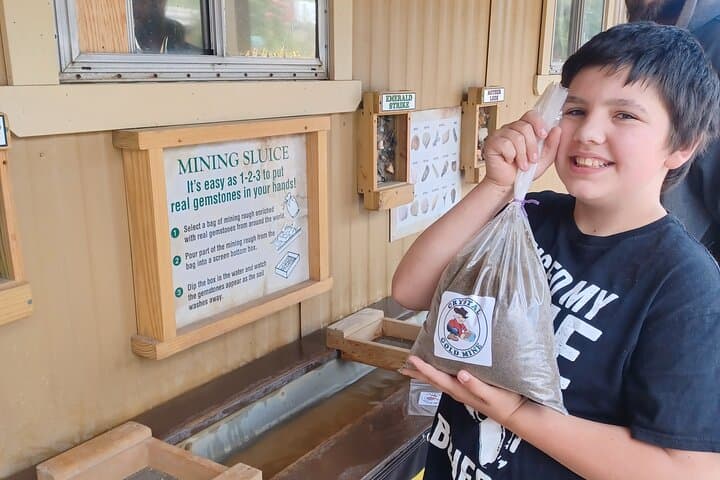
This is a tactile history lesson as much as an adventure — you leave with a bag of gemstones, the grit of pan-sorted sand in your pockets, and a clearer sense of how geology and human ambition shaped this corner of Idaho.
easy.
2 hours.
Accessible to most visitors; minimal mobility required but expect short standing and walking periods
Yes — the mine tour uses well-lit concrete walkways and is listed as wheelchair accessible; check with staff on arrival for the best route.
The full experience is about 90–120 minutes, including a 45-minute guided mine tour and up to 30 minutes of gold panning.
Yes — the tour is family-friendly with no climbing or crawling; strollers are accommodated and children can participate in gemstone mining and panning.
Card payments are commonly accepted, but bringing a small amount of cash can be useful for snacks, souvenirs, or additional panning mixes.
The mine is part of Idaho’s Silver Valley mining district — hard-rock extraction intensified here in the late 19th and early 20th centuries, shaping local economy and settlement.
Respect displayed artifacts and avoid removing geological samples outside authorized panning; the site manages foot traffic to protect both exhibits and nearby historic features.
Crystal Gold Mine operates guided outdoor trips and adventures with an emphasis on safety, stewardship, and memorable experiences.
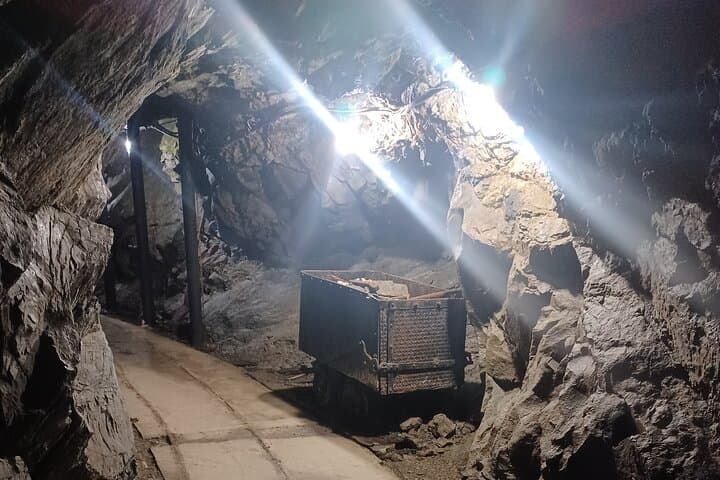
You step off the wooden boardwalk and into a cool, fifty-degree tunnel where the rock seems to close in with purpose. Light from your mini-flashlight slides over quartz veins and a faint metallic gleam — the same streaks that drew prospectors into these hills a century ago. The guide's voice is low but precise, pointing out hand-steeling marks and the method behind hard-rock mining as water from the adit hisses just beyond earshot.
You step off the wooden boardwalk and into a cool, fifty-degree tunnel where the rock seems to close in with purpose. Light from your mini-flashlight slides over quartz veins and a faint metallic gleam — the same streaks that drew prospectors into these hills a century ago. The guide's voice is low but precise, pointing out hand-steeling marks and the method behind hard-rock mining as water from the adit hisses just beyond earshot.
The Crystal Gold Mine sits in Idaho's Silver Valley, a landscape carved by mining booms, labor stories, and rich geology: metamorphic bedrock laced with quartz and sulfides that host native gold. The Miner’s Museum on site outlines local labor history and the technological shift from panning to mechanized extraction; the tour explains how veins were followed and how miners stayed warm in this constant cool.
Expect a family-friendly, well-lit experience: concrete walkways, no crawling, and a steady interpretive rhythm that alternates demonstration with hands-on panning. The prospector combo adds gemstone mining and a shooting gallery for a turn-of-the-century fairground feel. Practical notes: wear closed-toe shoes, bring a jacket for the steady 50°F interior, and budget 90–120 minutes for the full visit. Guides provide hard hats and flashlights, and the site is wheelchair accessible but uneven surfaces exist at outdoor exhibits. For photographers, low light favors a fast lens and steady hand.
This is a tactile history lesson as much as an adventure — you leave with a bag of gemstones, the grit of pan-sorted sand in your pockets, and a clearer sense of how geology and human ambition shaped this corner of Idaho.