THE ADVENTURE COLLECTIVE® · Independent discovery and booking for outdoor travel

Head underground in Belize on a full-day from San Ignacio to Crystal Cave and the inland Blue Hole. Expect strenuous, guided spelunking through limestone caverns rich with crystalline formations and Maya artifacts, followed by a refreshing swim.
Head underground in Belize on a full-day from San Ignacio to Crystal Cave and the inland Blue Hole. Expect strenuous, guided spelunking through limestone caverns rich with crystalline formations and Maya artifacts, followed by a refreshing swim.
You step off the shuttle into humid green; the forest breathes around a narrow trail of exposed limestone and leaf litter. The guide checks your harness and headlamp, and the trail pushes through low karst ridges toward a shadowed sinkhole. Inside the cave, light from your lamp picks out glittering calcite and flowstone—crystals that give the system its name—while the air grows cooler and the river’s distant drip becomes the trip’s steady metronome.
Verified experiences and guided adventures in the surrounding area.
Operated by Belize Family Adventure · San Ignacio, Cayo District
You step off the shuttle into humid green; the forest breathes around a narrow trail of exposed limestone and leaf litter. The guide checks your harness and headlamp, and the trail pushes through low karst ridges toward a shadowed sinkhole. Inside the cave, light from your lamp picks out glittering calcite and flowstone—crystals that give the system its name—while the air grows cooler and the river’s distant drip becomes the trip’s steady metronome.
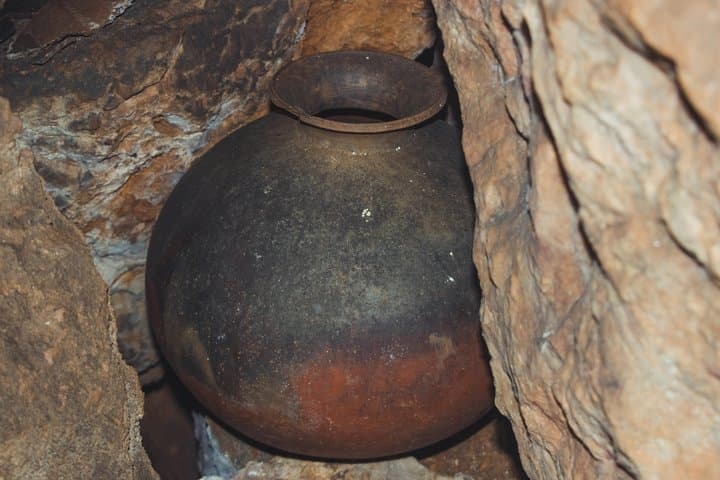
This corner of the Cayo District records millennia: Maya offerings of pottery, beads and obsidian blades have been recovered here, affirming caves’ role as portals to Xibalba. Geologically the site is classic tropical karst—limestone dissolved into chambers, narrow crawls, and swimming passages—carved by underground rivers since the Pleistocene. Culturally, the cave is both an archaeological deposit and an active ecosystem, where bats and invertebrates navigate a world without sunlight.
Practically, expect a full-day outing (roughly nine hours door-to-door) that includes a strenuous 3–5 hour guided cave exploration plus a cooling swim in the inland Blue Hole. Terrain is uneven, wet and slippery; low ceilings and occasional shallow pools are common. Guides provide necessary gear, but you should bring a reusable water bottle, quick-dry layers, long pants and sturdy closed-toe shoes. Cameras are welcome but protect them from moisture and mud. The tour suits fit, sure-footed travelers who can scramble, crouch and hike on rough trails. Time your visit for morning pickup to avoid late-day heat and heavier insects; follow your guide’s instructions closely to protect fragile formations and archaeological finds.
difficult.
9 hours.
High level of fitness required; participants should be comfortable hiking uneven terrain, crouching, scrambling and wading.
The tour is strenuous—participants should be able to hike uneven trails, crouch and scramble for several hours; the operator advises a high level of fitness.
Children 8 and older may join, but the cave environment and physical demands mean it’s best for older, adventurous kids; infants must sit on an adult’s lap during transport.
Yes—there is a supervised swim stop at the inland Blue Hole; bring swimwear and be prepared for a quick change after muddy cave sections.
Guides often point out pottery shards, beads and other artifacts discovered in the cave; these are culturally sensitive and must not be touched or removed.
Caves in Belize were sacred to the Maya and used for ritual offerings; excavations have recovered pottery, beads and obsidian that attest to ceremonial use.
Cave microclimates and archaeological deposits are fragile—follow guides, avoid touching formations, and use reusable bottles to reduce waste around park areas.
Belize Family Adventure operates guided outdoor trips and adventures with an emphasis on safety, stewardship, and memorable experiences.
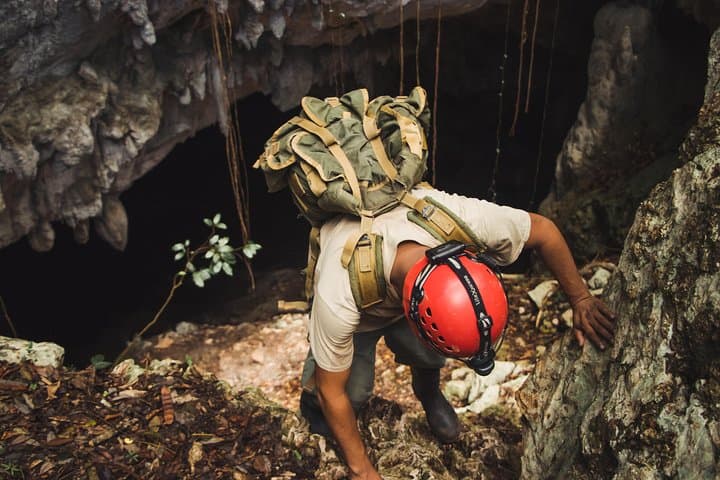
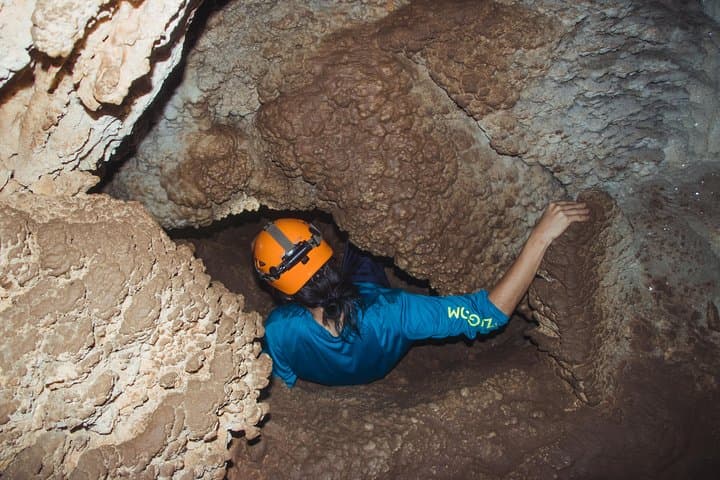
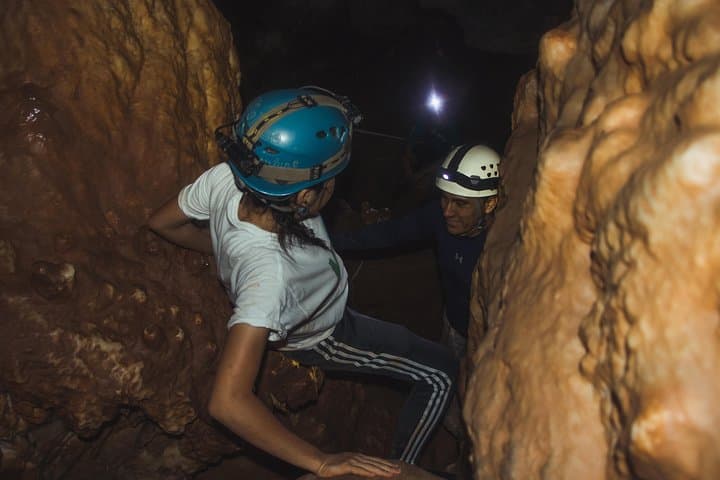
You step off the shuttle into humid green; the forest breathes around a narrow trail of exposed limestone and leaf litter. The guide checks your harness and headlamp, and the trail pushes through low karst ridges toward a shadowed sinkhole. Inside the cave, light from your lamp picks out glittering calcite and flowstone—crystals that give the system its name—while the air grows cooler and the river’s distant drip becomes the trip’s steady metronome.
You step off the shuttle into humid green; the forest breathes around a narrow trail of exposed limestone and leaf litter. The guide checks your harness and headlamp, and the trail pushes through low karst ridges toward a shadowed sinkhole. Inside the cave, light from your lamp picks out glittering calcite and flowstone—crystals that give the system its name—while the air grows cooler and the river’s distant drip becomes the trip’s steady metronome.
This corner of the Cayo District records millennia: Maya offerings of pottery, beads and obsidian blades have been recovered here, affirming caves’ role as portals to Xibalba. Geologically the site is classic tropical karst—limestone dissolved into chambers, narrow crawls, and swimming passages—carved by underground rivers since the Pleistocene. Culturally, the cave is both an archaeological deposit and an active ecosystem, where bats and invertebrates navigate a world without sunlight.
Practically, expect a full-day outing (roughly nine hours door-to-door) that includes a strenuous 3–5 hour guided cave exploration plus a cooling swim in the inland Blue Hole. Terrain is uneven, wet and slippery; low ceilings and occasional shallow pools are common. Guides provide necessary gear, but you should bring a reusable water bottle, quick-dry layers, long pants and sturdy closed-toe shoes. Cameras are welcome but protect them from moisture and mud. The tour suits fit, sure-footed travelers who can scramble, crouch and hike on rough trails. Time your visit for morning pickup to avoid late-day heat and heavier insects; follow your guide’s instructions closely to protect fragile formations and archaeological finds.