THE ADVENTURE COLLECTIVE® · Independent discovery and booking for outdoor travel

A compact shore excursion that stitches Lanzarote’s volcanic drama with its surprising vineyards and the emerald crater lake at El Golfo. Perfect for cruise passengers who want geology, culture and quick, guided access.
A compact shore excursion that stitches Lanzarote’s volcanic drama with its surprising vineyards and the emerald crater lake at El Golfo. Perfect for cruise passengers who want geology, culture and quick, guided access.
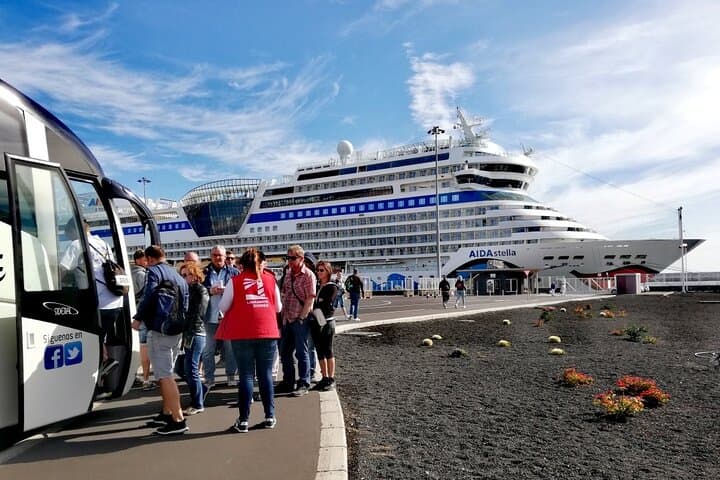
You step off the ship and the air is dry and mineral — Lanzarote announces itself in ochre and basalt. A short transfer pushes through low volcanic ridges and vineyards grown in hollows; soon the bus spills you onto a moonscape where heat still seems to rise from the ground and the world narrows to red craters and black lava.
Verified experiences and guided adventures in the surrounding area.
Operated by Lanzaroteguides · Yaiza, Canary Islands
You step off the ship and the air is dry and mineral — Lanzarote announces itself in ochre and basalt. A short transfer pushes through low volcanic ridges and vineyards grown in hollows; soon the bus spills you onto a moonscape where heat still seems to rise from the ground and the world narrows to red craters and black lava.
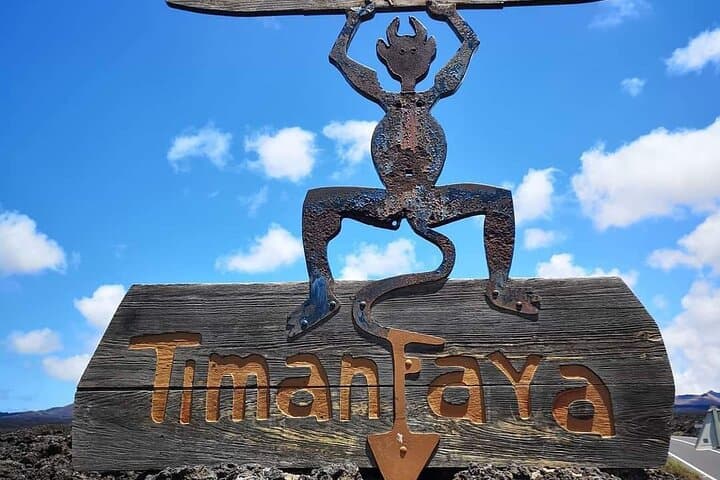
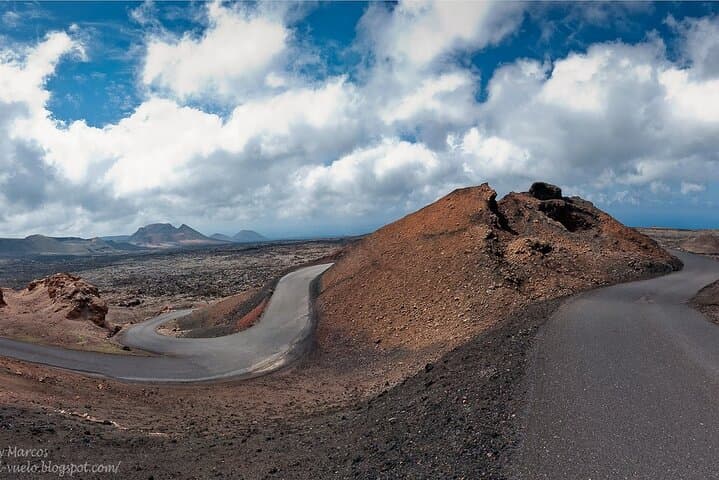
The route maps a simple story: agriculture carved into lava at La Geria, avant‑garde interventions by César Manrique, a short camel market and then the raw spectacle of Timanfaya’s Fire Mountains. Timanfaya records the island’s largest eruption (1730–1736) in fields of pahoehoe and ʻaʻā, and park demonstrations still use geothermal vents to cook food and roast cactus. El Golfo closes the loop — a green lagoon formed in a volcanic crater, rimmed by cliffs and the smashed remains of coastal lava.
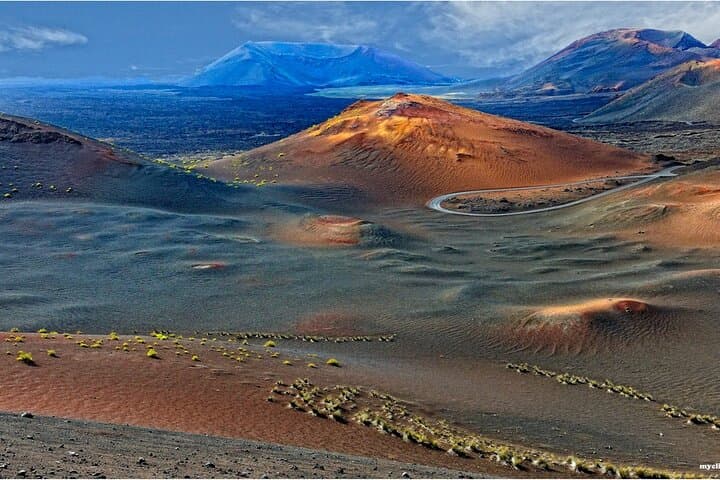
Culturally you’ll see Manrique’s influence at the Peasant Monument and taste vins produced in volcanic ash. Geology dominates: black flows, scoria cones and soil engineered into semicircular pits for vines. Wildlife is subtle — seabirds wheel over cliffs, and lizards dart across heated rock.
Practical edge: this is a guided, low‑impact shore excursion with mostly short stops and short walks on uneven ground. Wear sturdy shoes, sun protection and layers for wind off the coast. Bring water and a camera with polarizing filter for glare at El Golfo. Timings are tight on a cruise schedule — plan for quick photo stops if your ship’s itinerary is strict. With a local guide you skip lines and gain context: the island’s uneasy balance of tourism, viticulture and volcanic power is clear on every horizon.
easy.
5 hours.
Minimal fitness required; involves short walks (5–20 minutes) on uneven surfaces and brief standing periods.
Meeting occurs at the police checkpoint at the cruise port; guides will meet passengers there with a branded sign—this is the arranged pickup point for the tour.
Yes — the tour includes the ticket to Timanfaya National Park as part of the booking.
Camel rides are offered during the stop listed as optional; the ride is not included in the main admission and may incur an extra charge.
The tour is listed as easy and suitable for most fitness levels; infants must sit on an adult’s lap and participants should be able to manage short walks over uneven ground.
The Fire Mountains reflect the island’s most extensive eruptions (1730–1736); César Manrique later shaped how Lanzarote presents its landscape and culture to visitors.
Timanfaya’s soils are fragile and erosion‑prone — stay on marked paths, avoid collecting volcanic rock and respect park zoning to protect endemic plant life.
Lanzaroteguides operates guided outdoor trips and adventures with an emphasis on safety, stewardship, and memorable experiences.
You step off the ship and the air is dry and mineral — Lanzarote announces itself in ochre and basalt. A short transfer pushes through low volcanic ridges and vineyards grown in hollows; soon the bus spills you onto a moonscape where heat still seems to rise from the ground and the world narrows to red craters and black lava.
You step off the ship and the air is dry and mineral — Lanzarote announces itself in ochre and basalt. A short transfer pushes through low volcanic ridges and vineyards grown in hollows; soon the bus spills you onto a moonscape where heat still seems to rise from the ground and the world narrows to red craters and black lava.
The route maps a simple story: agriculture carved into lava at La Geria, avant‑garde interventions by César Manrique, a short camel market and then the raw spectacle of Timanfaya’s Fire Mountains. Timanfaya records the island’s largest eruption (1730–1736) in fields of pahoehoe and ʻaʻā, and park demonstrations still use geothermal vents to cook food and roast cactus. El Golfo closes the loop — a green lagoon formed in a volcanic crater, rimmed by cliffs and the smashed remains of coastal lava.
Culturally you’ll see Manrique’s influence at the Peasant Monument and taste vins produced in volcanic ash. Geology dominates: black flows, scoria cones and soil engineered into semicircular pits for vines. Wildlife is subtle — seabirds wheel over cliffs, and lizards dart across heated rock.
Practical edge: this is a guided, low‑impact shore excursion with mostly short stops and short walks on uneven ground. Wear sturdy shoes, sun protection and layers for wind off the coast. Bring water and a camera with polarizing filter for glare at El Golfo. Timings are tight on a cruise schedule — plan for quick photo stops if your ship’s itinerary is strict. With a local guide you skip lines and gain context: the island’s uneasy balance of tourism, viticulture and volcanic power is clear on every horizon.