THE ADVENTURE COLLECTIVE® · Independent discovery and booking for outdoor travel

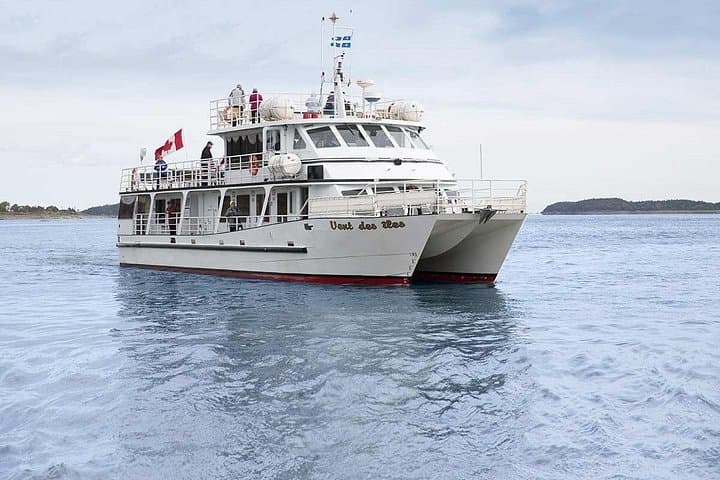
Board the Vent des Îles for a two-hour cruise across the St. Lawrence, then spend four hours exploring Grosse-Île’s quarantine station with Parks Canada guides. Expect wind, history-rich paths and the chance to find ancestral names on the memorial.
Board the Vent des Îles for a two-hour cruise across the St. Lawrence, then spend four hours exploring Grosse-Île’s quarantine station with Parks Canada guides. Expect wind, history-rich paths and the chance to find ancestral names on the memorial.
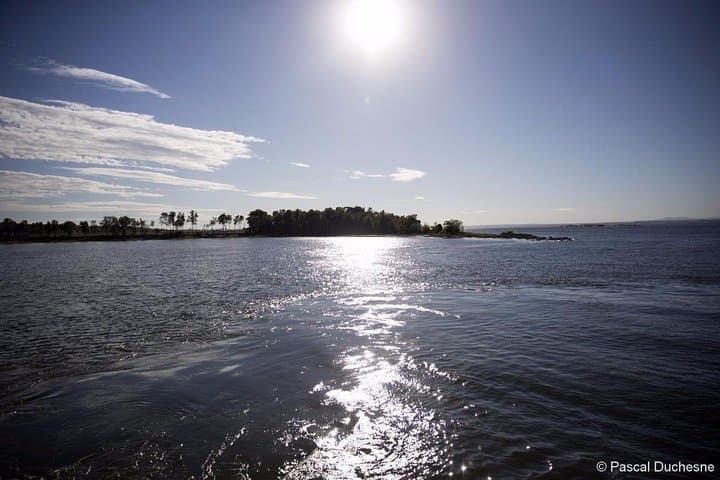
The boat eases away from the Quebec City dock and the St. Lawrence opens around you — cool spray, a low, steady swell and the long silhouette of Grosse-Île drawing near. On arrival, the island’s brick buildings and shaded paths feel like an outdoor museum: ward buildings, a relocated hospital, and a quiet cemetery where names of 19th-century immigrants sit like punctuation in the grass.
Verified experiences and guided adventures in the surrounding area.
Operated by Croisieres AML · Quebec City, Quebec
The boat eases away from the Quebec City dock and the St. Lawrence opens around you — cool spray, a low, steady swell and the long silhouette of Grosse-Île drawing near. On arrival, the island’s brick buildings and shaded paths feel like an outdoor museum: ward buildings, a relocated hospital, and a quiet cemetery where names of 19th-century immigrants sit like punctuation in the grass.
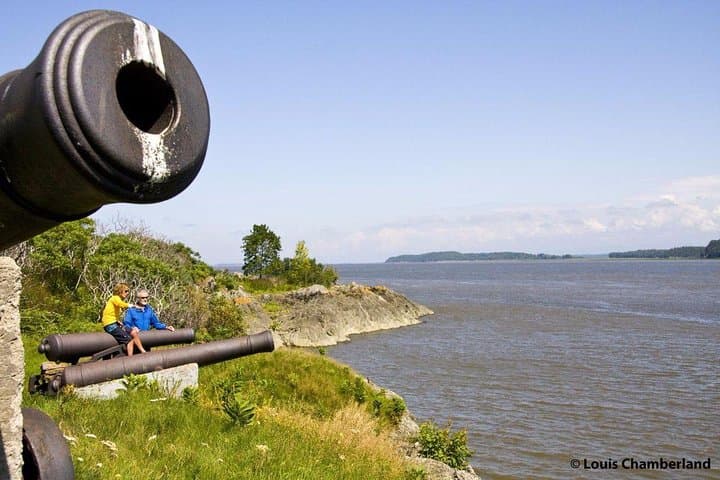
Grosse-Île was a quarantine and immigration inspection station from 1832–1937, screening people arriving in Canada during repeated epidemics. The island’s limestone and glacially-scoured bedrock are part of the wider St. Lawrence corridor that steered centuries of travel and trade. Parks Canada interpreters bring the past to life — you’ll meet “Nurse Sarah Wade,” visit memorial inscriptions and learn the clinical procedures that once governed this point of entry.
The experience mixes a sheltered, two-deck cruise aboard the Vent des Îles with roughly four hours onshore for guided tours of the quarantine areas. Expect breezy exposed decks, packed gravel paths and short stairs into restored buildings; the itinerary suits most fitness levels but rewards sensible footwear and wind layers. Plan for changing weather on the river, binoculars for migrating birds, and time at the memorial to search for family names.
Practical notes: arrive early to collect your ticket at the AML desk, carry water and a light pack, and follow Parks Canada guidance on preserving graves and historic fabric. The cruise pairs natural scenery and human history — a clear, practical way to connect with the island’s difficult, compelling stories.
easy.
6 hours.
Suitable for most people who can walk on uneven, short gravel paths and climb a few stairs; not strenuous.
Most departures leave from the AML dock in Quebec City; instructions say to meet at the AML ticket office on the dock 30 minutes before departure.
Paths are generally compacted gravel and some areas have steps; the tour notes stroller accessibility but visitors with mobility concerns should contact Parks Canada or the operator ahead of time.
Yes — the memorial and Parks Canada records let visitors search names of those who passed through Grosse-Île; guides can point you to resources during the visit.
The operator may cancel for bad weather; the cancellation policy typically allows refunds if canceled at least 24 hours prior, but check your booking terms for specifics.
Grosse-Île served as the main federal quarantine and inspection station from 1832 to 1937, processing millions of immigrants and managing epidemics such as cholera and typhus.
Parks Canada manages the site to protect fragile historic fabric and burial sites; visitors are asked to stay on trails, avoid disturbing markers and follow Leave No Trace principles.
Croisieres AML operates guided outdoor trips and adventures with an emphasis on safety, stewardship, and memorable experiences.
The boat eases away from the Quebec City dock and the St. Lawrence opens around you — cool spray, a low, steady swell and the long silhouette of Grosse-Île drawing near. On arrival, the island’s brick buildings and shaded paths feel like an outdoor museum: ward buildings, a relocated hospital, and a quiet cemetery where names of 19th-century immigrants sit like punctuation in the grass.
The boat eases away from the Quebec City dock and the St. Lawrence opens around you — cool spray, a low, steady swell and the long silhouette of Grosse-Île drawing near. On arrival, the island’s brick buildings and shaded paths feel like an outdoor museum: ward buildings, a relocated hospital, and a quiet cemetery where names of 19th-century immigrants sit like punctuation in the grass.
Grosse-Île was a quarantine and immigration inspection station from 1832–1937, screening people arriving in Canada during repeated epidemics. The island’s limestone and glacially-scoured bedrock are part of the wider St. Lawrence corridor that steered centuries of travel and trade. Parks Canada interpreters bring the past to life — you’ll meet “Nurse Sarah Wade,” visit memorial inscriptions and learn the clinical procedures that once governed this point of entry.
The experience mixes a sheltered, two-deck cruise aboard the Vent des Îles with roughly four hours onshore for guided tours of the quarantine areas. Expect breezy exposed decks, packed gravel paths and short stairs into restored buildings; the itinerary suits most fitness levels but rewards sensible footwear and wind layers. Plan for changing weather on the river, binoculars for migrating birds, and time at the memorial to search for family names.
Practical notes: arrive early to collect your ticket at the AML desk, carry water and a light pack, and follow Parks Canada guidance on preserving graves and historic fabric. The cruise pairs natural scenery and human history — a clear, practical way to connect with the island’s difficult, compelling stories.