THE ADVENTURE COLLECTIVE® · Independent discovery and booking for outdoor travel

Descend from the stone village of Monodendri into Vikos Gorge and trace the Voidomatis River through dramatic limestone walls. This full-day hike combines cobbled mule tracks, shaded plane-tree tunnels, and cold spring swims.
Descend from the stone village of Monodendri into Vikos Gorge and trace the Voidomatis River through dramatic limestone walls. This full-day hike combines cobbled mule tracks, shaded plane-tree tunnels, and cold spring swims.
The path drops into shade and silence, then opens onto a ribbon of water so blue it seems to push the light back. Crossing Vikos Gorge from Monodendri places you between limestone walls that climb hundreds of meters; the Voidomatis River threads the floor and dares you to pause and listen.
Verified experiences and guided adventures in the surrounding area.
Operated by Epirus Traveller · Monodendri, Epirus
The path drops into shade and silence, then opens onto a ribbon of water so blue it seems to push the light back. Crossing Vikos Gorge from Monodendri places you between limestone walls that climb hundreds of meters; the Voidomatis River threads the floor and dares you to pause and listen.
This route follows trails that local shepherds and monks have used for centuries. Geologically, Vikos is a steep karst gorge carved by fluvial action and glacial sculpting; its narrowest sections reveal layered cliffs and scree slopes, while the broader benches hold plane trees and dense undergrowth. Culturally, Zagori villages like Monodendri and Vikos preserve stone bridges, small monasteries and a rural Epirus way of life—expect signed trails that cross cobbled mule tracks and old spring houses.
On the ground, the classic route descends from Monodendri toward Klima spring, moves along mixed dirt and cobblestone paths, and drops steeply to the riverbed where you can refill with cold spring water and, in summer, swim in Voidomatis. The trail is non-technical but long—there are uphill and downhill pitches, loose scree in sections, and shaded stretches beneath plane trees. Wildlife includes abundant birds and diverse flora; spring brings a floral surge and active songbirds.
Practical guidance: carry at least 2–3 liters of water, use grippy hiking shoes for steep descents, and bring a lightweight layer for river breezes. Start early to avoid midday heat and to catch the quiet of the gorge; if you prefer less walking, arrange the optional transfer from Ioannina. Respect springs and follow Leave No Trace—this limestone landscape is fragile and easily altered by erosion and off-trail traffic.
moderate.
8 hours.
Suitable for hikers with moderate fitness; long distance and sustained elevation changes require endurance
The guided crossing runs about 8 hours with uphill and downhill segments; it’s non-technical but requires steady fitness and good footwear.
Yes—near the end there are cold blue pools suitable for a brief swim in summer; water is very cold year-round.
Transfers from Ioannina can be arranged as an option, otherwise the route starts and ends in Monodendri.
Local springs like Klima are traditionally potable; filter if you have concerns, especially after heavy rain.
The Zagori villages developed around pastoral and monastic routes; many cobbled paths and bridges date to Ottoman-era local construction and older shepherd trails.
Vikos–Aoös National Park protects unique karst landscapes and rich flora—stay on trails, avoid disturbing springs, and pack out all waste to limit erosion and pollution.
Epirus Traveller operates guided outdoor trips and adventures with an emphasis on safety, stewardship, and memorable experiences.
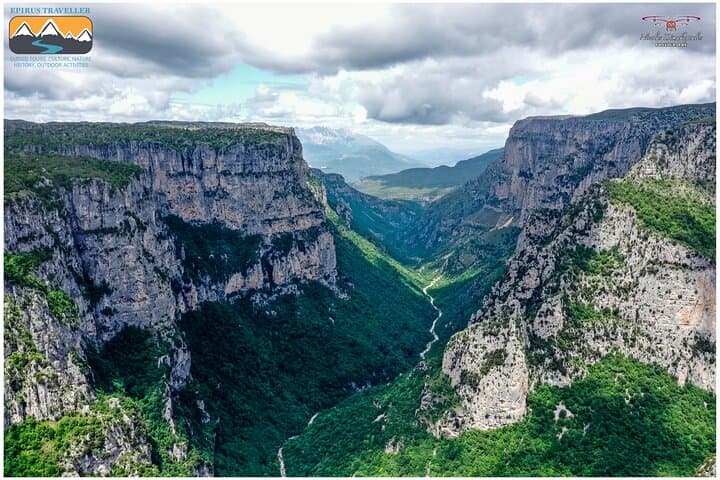
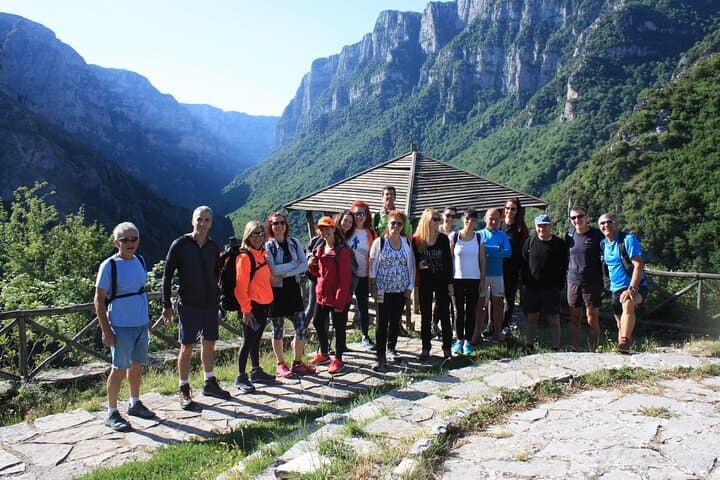
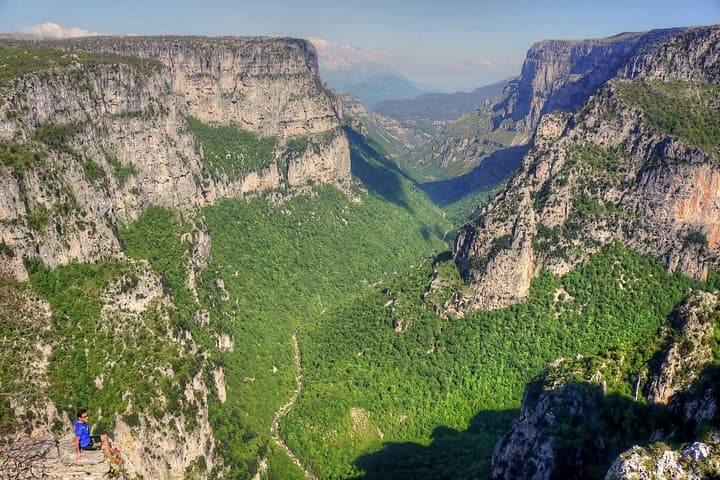
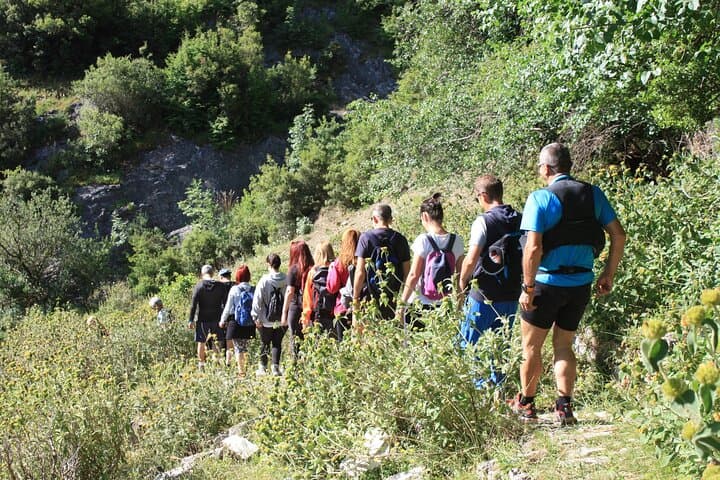
The path drops into shade and silence, then opens onto a ribbon of water so blue it seems to push the light back. Crossing Vikos Gorge from Monodendri places you between limestone walls that climb hundreds of meters; the Voidomatis River threads the floor and dares you to pause and listen.
The path drops into shade and silence, then opens onto a ribbon of water so blue it seems to push the light back. Crossing Vikos Gorge from Monodendri places you between limestone walls that climb hundreds of meters; the Voidomatis River threads the floor and dares you to pause and listen.
This route follows trails that local shepherds and monks have used for centuries. Geologically, Vikos is a steep karst gorge carved by fluvial action and glacial sculpting; its narrowest sections reveal layered cliffs and scree slopes, while the broader benches hold plane trees and dense undergrowth. Culturally, Zagori villages like Monodendri and Vikos preserve stone bridges, small monasteries and a rural Epirus way of life—expect signed trails that cross cobbled mule tracks and old spring houses.
On the ground, the classic route descends from Monodendri toward Klima spring, moves along mixed dirt and cobblestone paths, and drops steeply to the riverbed where you can refill with cold spring water and, in summer, swim in Voidomatis. The trail is non-technical but long—there are uphill and downhill pitches, loose scree in sections, and shaded stretches beneath plane trees. Wildlife includes abundant birds and diverse flora; spring brings a floral surge and active songbirds.
Practical guidance: carry at least 2–3 liters of water, use grippy hiking shoes for steep descents, and bring a lightweight layer for river breezes. Start early to avoid midday heat and to catch the quiet of the gorge; if you prefer less walking, arrange the optional transfer from Ioannina. Respect springs and follow Leave No Trace—this limestone landscape is fragile and easily altered by erosion and off-trail traffic.