THE ADVENTURE COLLECTIVE® · Independent discovery and booking for outdoor travel

A three-day crossing of Serra dos Órgãos that links Petrópolis and Teresópolis via steep ridgelines, granite towers, and Atlantic Forest. This guided trek includes park entry, shelter nights, and transfers from Rio.
A three-day crossing of Serra dos Órgãos that links Petrópolis and Teresópolis via steep ridgelines, granite towers, and Atlantic Forest. This guided trek includes park entry, shelter nights, and transfers from Rio.
The trail begins on a cool, forested slope and soon opens onto knife-edged ridges where wind pulls at your jacket and the rock formations loom like silent guards. On day one the group moves from the park entrance uphill for 7–8 km, threading Atlantic Forest paths into the Abrigo dos Castelos do Açu shelter; the air changes from humid understory to thin, fragrant heights.
Verified experiences and guided adventures in the surrounding area.
Operated by Rio Running Tour · Teresópolis, Rio de Janeiro
The trail begins on a cool, forested slope and soon opens onto knife-edged ridges where wind pulls at your jacket and the rock formations loom like silent guards. On day one the group moves from the park entrance uphill for 7–8 km, threading Atlantic Forest paths into the Abrigo dos Castelos do Açu shelter; the air changes from humid understory to thin, fragrant heights.
Serra dos Órgãos is geologically dramatic—granite spires carved by erosion and tectonic uplift that created the iconic Dedo de Deus and the sheltered amphitheaters hikers pass. The park, one of Brazil’s early national preserves, has long been a cultural crossroads between Petrópolis and Teresópolis; trails here were used by muleteers before becoming marked routes for explorers and climbers.
Expect sustained climbs and technical footwork on exposed slabs; day two covers about 11 km with repeated ups and downs and wide panoramas that reward the effort. The final descent to Teresópolis runs 11–13 km and relaxes into steadier footing before a two-hour return transfer to Rio if you began there.
Practically: the trip includes park entry and shelter stays, but bring a sleeping bag or rent one, carry 2–3 L of water, and use sturdy, broken-in boots. Weather turns fast—afternoon showers are common—so pack a rain shell and layers. The route suits hikers with multi-day experience and good cardiovascular fitness; guides keep groups small and pace conservative. Stick to marked paths, respect shelter rules, and plan for limited cell service—nature here moves deliberately, and the trail will demand your full attention.
challenging.
3 days.
Good cardiovascular fitness and experience with sustained climbs; comfortable with 4–7 hours of hiking per day.
Hikers should have regular long-day hiking experience and good cardiovascular fitness—expect sustained climbs of 4–6 hours on days one and two.
Yes—this tour includes park entrance fees and private transfers between Rio de Janeiro and the park, as well as shelter accommodations and kitchen equipment.
Sleeping bags and walking poles can be rented or reserved with the operator; confirm availability before departure.
Weather can make exposed sections slippery and visibility poor; guides monitor conditions and may alter the itinerary for safety, but all sales are final per operator policy.
Serra dos Órgãos National Park was created early in Brazil’s national park history to protect dramatic granite formations and the Atlantic Forest corridor between mountain towns.
The park is protected but sensitive—use established campsites, pack out waste, and avoid disturbing wildlife to minimize trail impact.
Rio Running Tour operates guided outdoor trips and adventures with an emphasis on safety, stewardship, and memorable experiences.
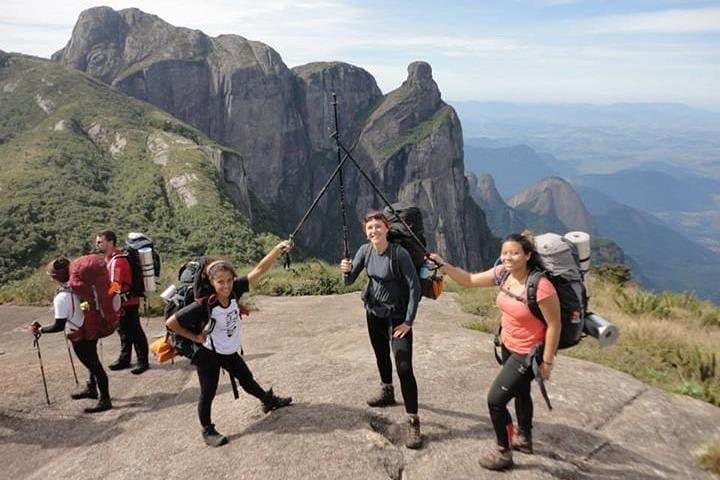


The trail begins on a cool, forested slope and soon opens onto knife-edged ridges where wind pulls at your jacket and the rock formations loom like silent guards. On day one the group moves from the park entrance uphill for 7–8 km, threading Atlantic Forest paths into the Abrigo dos Castelos do Açu shelter; the air changes from humid understory to thin, fragrant heights.
The trail begins on a cool, forested slope and soon opens onto knife-edged ridges where wind pulls at your jacket and the rock formations loom like silent guards. On day one the group moves from the park entrance uphill for 7–8 km, threading Atlantic Forest paths into the Abrigo dos Castelos do Açu shelter; the air changes from humid understory to thin, fragrant heights.
Serra dos Órgãos is geologically dramatic—granite spires carved by erosion and tectonic uplift that created the iconic Dedo de Deus and the sheltered amphitheaters hikers pass. The park, one of Brazil’s early national preserves, has long been a cultural crossroads between Petrópolis and Teresópolis; trails here were used by muleteers before becoming marked routes for explorers and climbers.
Expect sustained climbs and technical footwork on exposed slabs; day two covers about 11 km with repeated ups and downs and wide panoramas that reward the effort. The final descent to Teresópolis runs 11–13 km and relaxes into steadier footing before a two-hour return transfer to Rio if you began there.
Practically: the trip includes park entry and shelter stays, but bring a sleeping bag or rent one, carry 2–3 L of water, and use sturdy, broken-in boots. Weather turns fast—afternoon showers are common—so pack a rain shell and layers. The route suits hikers with multi-day experience and good cardiovascular fitness; guides keep groups small and pace conservative. Stick to marked paths, respect shelter rules, and plan for limited cell service—nature here moves deliberately, and the trail will demand your full attention.