THE ADVENTURE COLLECTIVE® · Independent discovery and booking for outdoor travel

Cross the High Atlas on a full-day guided drive from Marrakech to the UNESCO ksar of Ait Ben Haddou. This one-day trip combines mountain scenery, historic kasbahs, a traditional lunch, and a stop at Atlas Film Studios.
Cross the High Atlas on a full-day guided drive from Marrakech to the UNESCO ksar of Ait Ben Haddou. This one-day trip combines mountain scenery, historic kasbahs, a traditional lunch, and a stop at Atlas Film Studios.
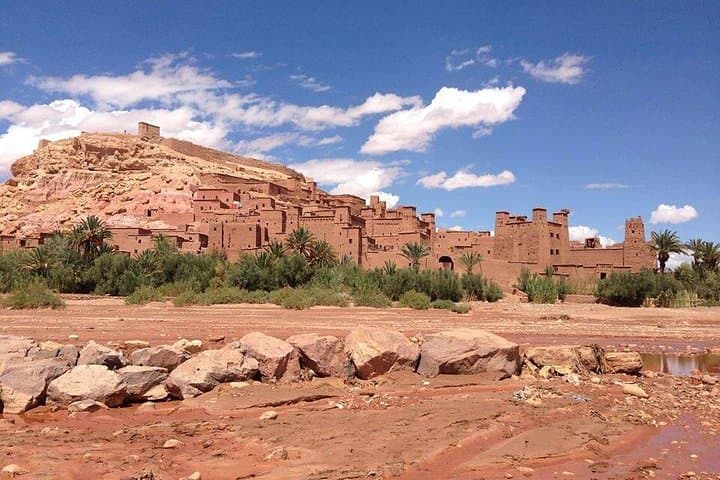
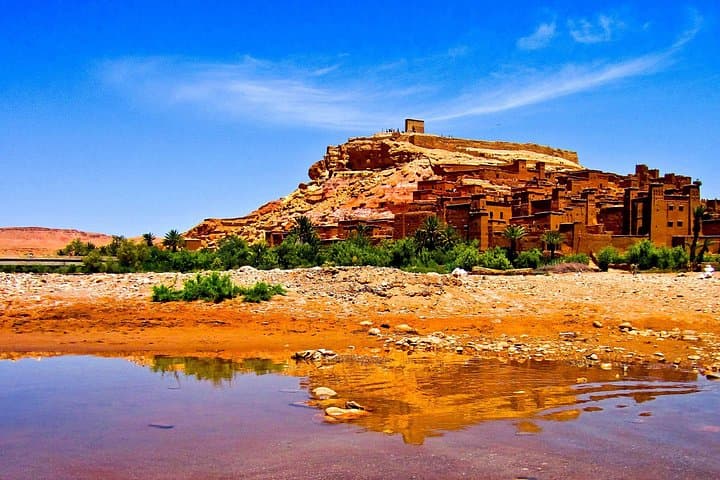
You leave Marrakech at 8:00 a.m., the city shrinking behind low sandstone walls as the road climbs toward the Tizi n Tichka pass. The Atlas Mountains open like a changing stage — barren slabs of red rock, sudden tufts of juniper, and villages stacked into hillsides. The drive is long but cinematic: breakfast stops and photo pulls break the rhythm until the ochre kasbah of Ait Ben Haddou appears across a shallow river, its earthen towers catching afternoon light.
Verified experiences and guided adventures in the surrounding area.
Operated by Discover Morocco Tours · Ait Ben Haddou, Drâa-Tafilalet
You leave Marrakech at 8:00 a.m., the city shrinking behind low sandstone walls as the road climbs toward the Tizi n Tichka pass. The Atlas Mountains open like a changing stage — barren slabs of red rock, sudden tufts of juniper, and villages stacked into hillsides. The drive is long but cinematic: breakfast stops and photo pulls break the rhythm until the ochre kasbah of Ait Ben Haddou appears across a shallow river, its earthen towers catching afternoon light.
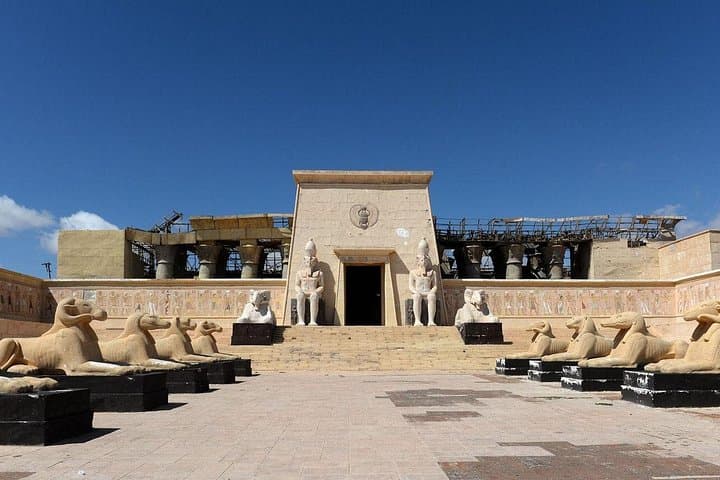
Ait Ben Haddou is a UNESCO-protected ksar where mud-brick architecture records centuries of desert trade and tribal power. Nearby Telouet’s 17th-century kasbah speaks to the region’s Pasha-era wealth; Ouarzazate hosts Atlas Film Studios where modern sets sit beside older adobe walls. Geologically the route follows uplifted sedimentary layers carved by seasonal torrents — valleys that shape villages and the roads that connect them.
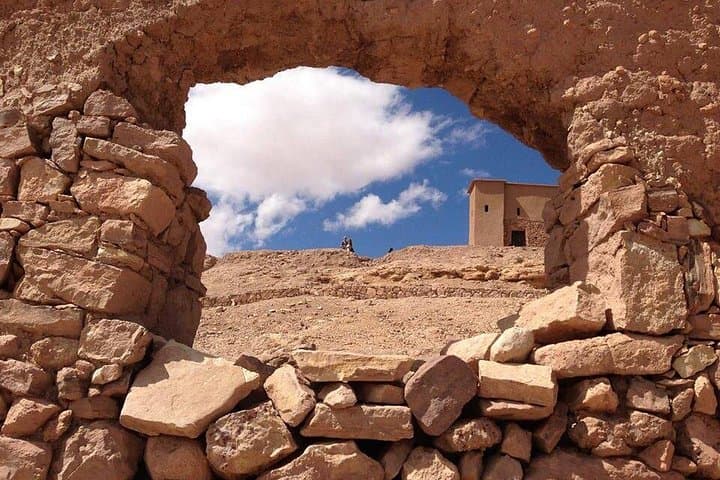
Expect guided walks up narrow alleys and steep stairs to a hilltop viewpoint, a traditional Moroccan lunch in the village, and a short stop at film studios. Practicalities: wear grippy shoes for uneven clay surfaces, bring at least 1.5–2 L of water, and layer for sun and sudden mountain wind. Photography is a highlight but be respectful of private homes and local customs; tipping your local guide supports conservation efforts and village livelihoods.
The day returns to Marrakech in the evening; plan a relaxed evening after a full day of driving and walking through some of Morocco’s most cinematic landscapes.
moderate.
10–11 hours.
Moderate; must handle several climbs, uneven surfaces, and a full day of travel.
The drive covers roughly 190 km each way and takes about 3–3.5 hours one way, depending on stops and traffic via the Tizi n Tichka pass.
Walking involves uneven clay alleys and stair climbs to a hilltop viewpoint; reasonable mobility and steady footing are required but no technical climbing is needed.
A traditional Moroccan lunch in Ait Ben Haddou is included; vegetarian options are available but request them at booking time.
This tour is not recommended for people with significant spinal, heart, or pregnancy-related concerns due to the long day and some uneven walking.
Ait Ben Haddou is a fortified ksar that grew as a trade post on trans-Saharan routes; its earthen architecture reflects centuries of local building techniques and has been preserved as a UNESCO site.
UNESCO protection and local restoration projects aim to stabilize fragile earthen walls; visitors should stick to paths, avoid touching fragile façades, and support local guides and businesses.
Discover Morocco Tours operates guided outdoor trips and adventures with an emphasis on safety, stewardship, and memorable experiences.
You leave Marrakech at 8:00 a.m., the city shrinking behind low sandstone walls as the road climbs toward the Tizi n Tichka pass. The Atlas Mountains open like a changing stage — barren slabs of red rock, sudden tufts of juniper, and villages stacked into hillsides. The drive is long but cinematic: breakfast stops and photo pulls break the rhythm until the ochre kasbah of Ait Ben Haddou appears across a shallow river, its earthen towers catching afternoon light.
You leave Marrakech at 8:00 a.m., the city shrinking behind low sandstone walls as the road climbs toward the Tizi n Tichka pass. The Atlas Mountains open like a changing stage — barren slabs of red rock, sudden tufts of juniper, and villages stacked into hillsides. The drive is long but cinematic: breakfast stops and photo pulls break the rhythm until the ochre kasbah of Ait Ben Haddou appears across a shallow river, its earthen towers catching afternoon light.
Ait Ben Haddou is a UNESCO-protected ksar where mud-brick architecture records centuries of desert trade and tribal power. Nearby Telouet’s 17th-century kasbah speaks to the region’s Pasha-era wealth; Ouarzazate hosts Atlas Film Studios where modern sets sit beside older adobe walls. Geologically the route follows uplifted sedimentary layers carved by seasonal torrents — valleys that shape villages and the roads that connect them.
Expect guided walks up narrow alleys and steep stairs to a hilltop viewpoint, a traditional Moroccan lunch in the village, and a short stop at film studios. Practicalities: wear grippy shoes for uneven clay surfaces, bring at least 1.5–2 L of water, and layer for sun and sudden mountain wind. Photography is a highlight but be respectful of private homes and local customs; tipping your local guide supports conservation efforts and village livelihoods.
The day returns to Marrakech in the evening; plan a relaxed evening after a full day of driving and walking through some of Morocco’s most cinematic landscapes.