THE ADVENTURE COLLECTIVE® · Independent discovery and booking for outdoor travel

Step with one foot in each hemisphere on a guided day tour from Kampala to the Kayabwe Equator. Enjoy hands-on Coriolis demos, local crafts, and easy roadside views on this 6–8 hour cultural stop along the Kampala–Masaka highway.
Step with one foot in each hemisphere on a guided day tour from Kampala to the Kayabwe Equator. Enjoy hands-on Coriolis demos, local crafts, and easy roadside views on this 6–8 hour cultural stop along the Kampala–Masaka highway.
A dust-edged highway opens into a roadside square where a painted line runs clean across concrete and visitors slow to make a small, deliberate step between hemispheres. Morning light slides over banana groves and low hills as an air-conditioned vehicle delivers you to Kayabwe; guides hand out water, invite a photo with one foot north and one foot south, and set up the classic Coriolis demonstration that always pulls a crowd.
Verified experiences and guided adventures in the surrounding area.
We couldn't find other adventures in this immediate radius right now. Browse our directory for more options.
Browse all experiencesOperated by Kitenji Uganda Safaris and Tours · Kayabwe, Central Region
A dust-edged highway opens into a roadside square where a painted line runs clean across concrete and visitors slow to make a small, deliberate step between hemispheres. Morning light slides over banana groves and low hills as an air-conditioned vehicle delivers you to Kayabwe; guides hand out water, invite a photo with one foot north and one foot south, and set up the classic Coriolis demonstration that always pulls a crowd.
The Equator at Kayabwe marks one of the few easily accessible places on Earth where the 0° latitude is interpreted for visitors. The marker itself is a modern, human-made monument on Uganda’s central plateau — geology here is gentle: rolling, fertile terrain carved by ancient rivers rather than dramatic peaks.
Culturally the site hums with informal commerce: craft stalls, carved souvenirs, and roadside cafés serving matoke and grilled fish. The spot grew into a tourist stop during the 20th century as road access improved; today the experience blends quick science theater with direct contact with local artisans.
Practically: expect a 6–8 hour round trip from Kampala with pickup and drop-off, limited walking on paved surfaces, and strong photo opportunities. Bring bottled water, a light rain layer during wet months, and small bills for purchases and tips. The Coriolis demonstration is performative — scientifically instructive but staged for visibility — so treat it as a fun primer rather than a rigorous lab.
Plan for a dry-morning visit to avoid heavy rains and crowded afternoons. Respect vendors’ wares, haggle politely, and leave no litter: the simplest actions keep this single-line monument a memorable, low-effort way to stand on both halves of the planet at once.
easy.
6–8 hours.
Suitable for all fitness levels; minimal walking and mostly roadside stops
Expect a 6–8 hour round trip including pickup, transit, time at the Equator site, and a short stop for lunch.
Yes—straddling the painted line is the signature photo; guides often help arrange safe, clear shots.
The demonstration is a staged visual to illustrate the Coriolis effect; it’s an engaging primer rather than a controlled experiment.
Yes—small cafés and roadside vendors sell local dishes and snacks; the tour usually includes bottled water and lunch.
Markers at Kayabwe became a popular roadside attraction as vehicular travel increased in the 20th century; the site highlights a simple geographic truth—0° latitude—made accessible for travelers.
Keep purchases local and avoid single-use plastics; supporting artisan stalls and carrying out waste helps preserve the roadside environment.
Kitenji Uganda Safaris and Tours operates guided outdoor trips and adventures with an emphasis on safety, stewardship, and memorable experiences.

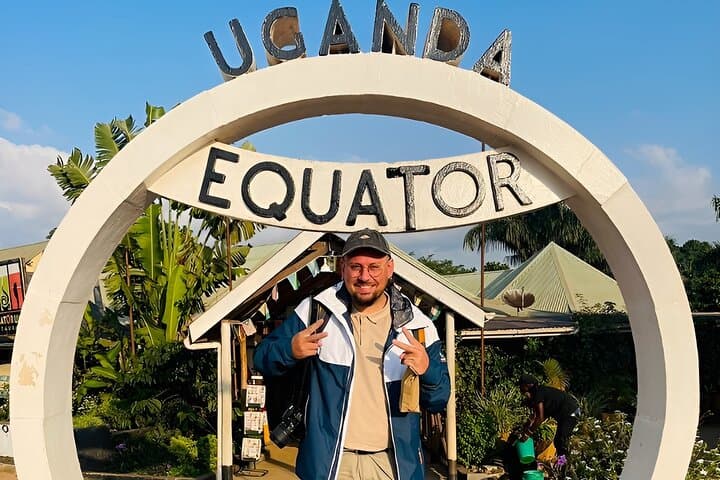
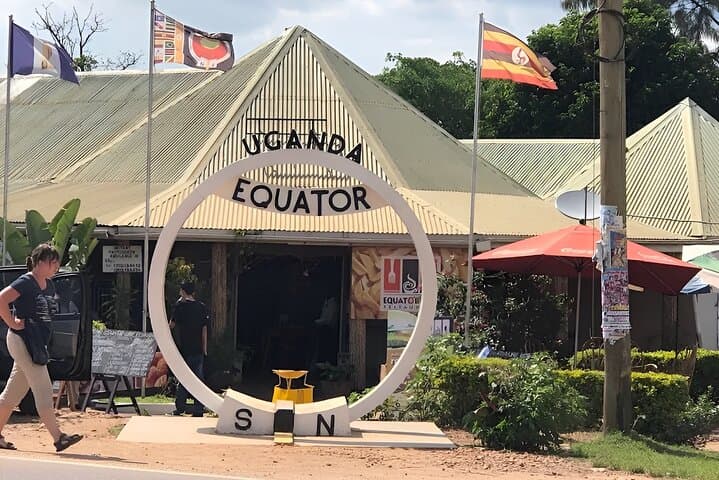
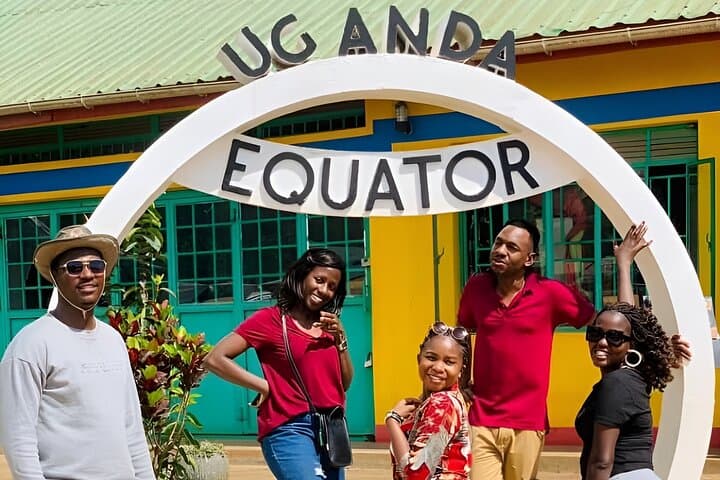
A dust-edged highway opens into a roadside square where a painted line runs clean across concrete and visitors slow to make a small, deliberate step between hemispheres. Morning light slides over banana groves and low hills as an air-conditioned vehicle delivers you to Kayabwe; guides hand out water, invite a photo with one foot north and one foot south, and set up the classic Coriolis demonstration that always pulls a crowd.
A dust-edged highway opens into a roadside square where a painted line runs clean across concrete and visitors slow to make a small, deliberate step between hemispheres. Morning light slides over banana groves and low hills as an air-conditioned vehicle delivers you to Kayabwe; guides hand out water, invite a photo with one foot north and one foot south, and set up the classic Coriolis demonstration that always pulls a crowd.
The Equator at Kayabwe marks one of the few easily accessible places on Earth where the 0° latitude is interpreted for visitors. The marker itself is a modern, human-made monument on Uganda’s central plateau — geology here is gentle: rolling, fertile terrain carved by ancient rivers rather than dramatic peaks.
Culturally the site hums with informal commerce: craft stalls, carved souvenirs, and roadside cafés serving matoke and grilled fish. The spot grew into a tourist stop during the 20th century as road access improved; today the experience blends quick science theater with direct contact with local artisans.
Practically: expect a 6–8 hour round trip from Kampala with pickup and drop-off, limited walking on paved surfaces, and strong photo opportunities. Bring bottled water, a light rain layer during wet months, and small bills for purchases and tips. The Coriolis demonstration is performative — scientifically instructive but staged for visibility — so treat it as a fun primer rather than a rigorous lab.
Plan for a dry-morning visit to avoid heavy rains and crowded afternoons. Respect vendors’ wares, haggle politely, and leave no litter: the simplest actions keep this single-line monument a memorable, low-effort way to stand on both halves of the planet at once.