THE ADVENTURE COLLECTIVE® · Independent discovery and booking for outdoor travel

Stand with a foot in each hemisphere on a short, accessible day trip from Kampala. This Kayabwe equator tour mixes hands-on science demonstrations with roadside culture, local snacks and easy logistics for a half-day escape.
Stand with a foot in each hemisphere on a short, accessible day trip from Kampala. This Kayabwe equator tour mixes hands-on science demonstrations with roadside culture, local snacks and easy logistics for a half-day escape.
The road eases out of Kampala, trading the city’s honk for the low, steady hum of the Masaka Highway. After about two hours of roadside banana plantations and small trading centres you arrive at Kayabwe, where a painted line on the ground marks the point the world splits in half. Guides gather near the equator monument to demonstrate simple physics — water spiraling one way north of the line, the other way to the south — and to hand you the small, satisfying thrill of standing with one foot in each hemisphere.
Verified experiences and guided adventures in the surrounding area.
We couldn't find other adventures in this immediate radius right now. Browse our directory for more options.
Browse all experiencesOperated by Ultimate Wild Safaris · Kayabwe, Mpigi District
The road eases out of Kampala, trading the city’s honk for the low, steady hum of the Masaka Highway. After about two hours of roadside banana plantations and small trading centres you arrive at Kayabwe, where a painted line on the ground marks the point the world splits in half. Guides gather near the equator monument to demonstrate simple physics — water spiraling one way north of the line, the other way to the south — and to hand you the small, satisfying thrill of standing with one foot in each hemisphere.
The marker at Kayabwe sits where colonial surveyors charted Uganda’s position; geologically the region is part of the shallow basin leading to Lake Victoria, with soils that support productive small-scale agriculture. Culturally, the equator is a local meeting place: vendors sell roasted maize, carved wooden souvenirs and cold sodas, and guides blend science with folklore when explaining day length and climate.
Practicalities are straightforward. Tours run as half- to full-day trips from Kampala; expect 4–6 hours door-to-door. The site is wheelchair accessible and suitable for most fitness levels, but surfaces can be sunbaked or muddy after rain. Bring sun protection, a refillable water bottle and small local currency for snacks and crafts. Morning visits avoid mid-day heat and the busiest crowds; afternoons catch warmer light for photos. Respect vendor pricing, take litter with you, and ask permission before photographing people. The Kayabwe stop pairs well with nearby markets or a detour to lakeside viewpoints for a fuller day beyond the painted line.
easy.
5–6 hours.
Suitable for all fitness levels; involves short, flat walks and standing for demonstrations
Yes — the painted marker is open to the public and accessible; guides will assist and demonstrate water experiments for groups.
Expect roughly 1.5–2.5 hours each way depending on traffic; plan a half- to full-day for transit and time at the site.
Duplicate removed
Basic restroom facilities and small food stalls are available; bring cash for snacks and bottled drinks as options are limited.
The Kayabwe marker sits on a line noted by colonial-era surveyors and has since become a cultural landmark where science demonstrations meet local commerce.
Visitors should avoid single-use plastics, buy from local vendors to support the economy, and follow guides’ instructions to minimize trampling of roadside vegetation.
Ultimate Wild Safaris operates guided outdoor trips and adventures with an emphasis on safety, stewardship, and memorable experiences.
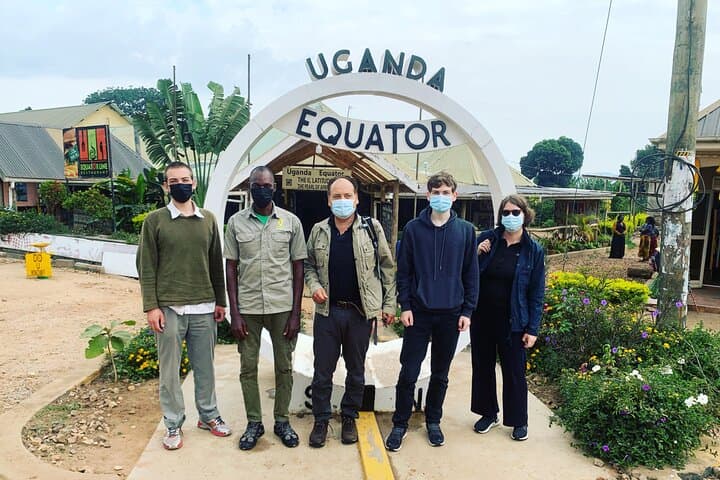

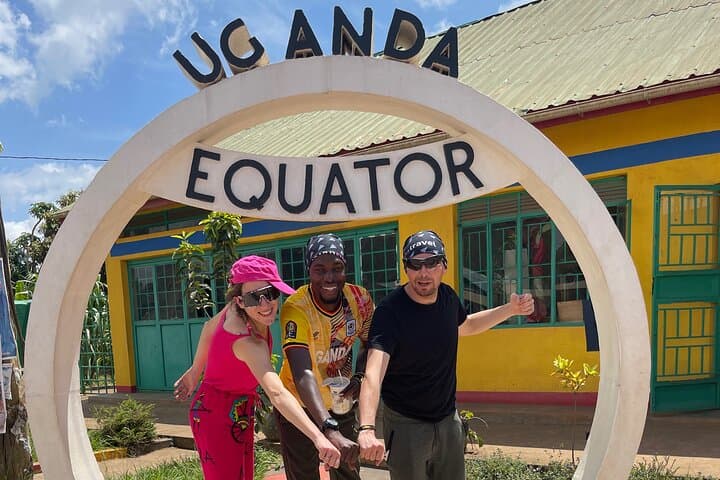
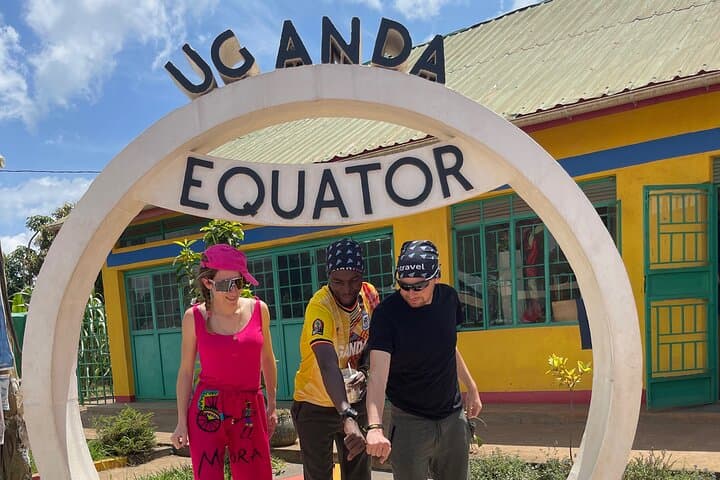
The road eases out of Kampala, trading the city’s honk for the low, steady hum of the Masaka Highway. After about two hours of roadside banana plantations and small trading centres you arrive at Kayabwe, where a painted line on the ground marks the point the world splits in half. Guides gather near the equator monument to demonstrate simple physics — water spiraling one way north of the line, the other way to the south — and to hand you the small, satisfying thrill of standing with one foot in each hemisphere.
The road eases out of Kampala, trading the city’s honk for the low, steady hum of the Masaka Highway. After about two hours of roadside banana plantations and small trading centres you arrive at Kayabwe, where a painted line on the ground marks the point the world splits in half. Guides gather near the equator monument to demonstrate simple physics — water spiraling one way north of the line, the other way to the south — and to hand you the small, satisfying thrill of standing with one foot in each hemisphere.
The marker at Kayabwe sits where colonial surveyors charted Uganda’s position; geologically the region is part of the shallow basin leading to Lake Victoria, with soils that support productive small-scale agriculture. Culturally, the equator is a local meeting place: vendors sell roasted maize, carved wooden souvenirs and cold sodas, and guides blend science with folklore when explaining day length and climate.
Practicalities are straightforward. Tours run as half- to full-day trips from Kampala; expect 4–6 hours door-to-door. The site is wheelchair accessible and suitable for most fitness levels, but surfaces can be sunbaked or muddy after rain. Bring sun protection, a refillable water bottle and small local currency for snacks and crafts. Morning visits avoid mid-day heat and the busiest crowds; afternoons catch warmer light for photos. Respect vendor pricing, take litter with you, and ask permission before photographing people. The Kayabwe stop pairs well with nearby markets or a detour to lakeside viewpoints for a fuller day beyond the painted line.