THE ADVENTURE COLLECTIVE® · Independent discovery and booking for outdoor travel

Cross the Tyrolean ridge for a private day at Neuschwanstein: dramatic mountain views, an optional walk over Highline179, and timed castle entry. This full-day tour from Innsbruck packs cinematic scenery with practical logistics—tickets, seasonal access, and a 30-minute uphill approach to the castle.
Cross the Tyrolean ridge for a private day at Neuschwanstein: dramatic mountain views, an optional walk over Highline179, and timed castle entry. This full-day tour from Innsbruck packs cinematic scenery with practical logistics—tickets, seasonal access, and a 30-minute uphill approach to the castle.
You leave Innsbruck before morning light and the road climbs, trading city roofs for serrated ridgelines. The vehicle threads Alpine hairpins and the windows frame glaciers and green bowls; occasionally the Zugspitze juts into view while Blindsee’s glassy surface dares you to pause for a photograph.
Verified experiences and guided adventures in the surrounding area.
Operated by Anna Tirol · Schwangau, Bavaria
You leave Innsbruck before morning light and the road climbs, trading city roofs for serrated ridgelines. The vehicle threads Alpine hairpins and the windows frame glaciers and green bowls; occasionally the Zugspitze juts into view while Blindsee’s glassy surface dares you to pause for a photograph.
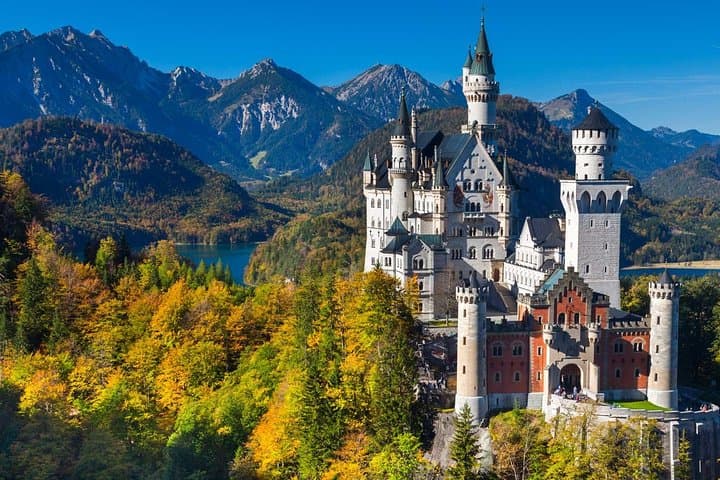
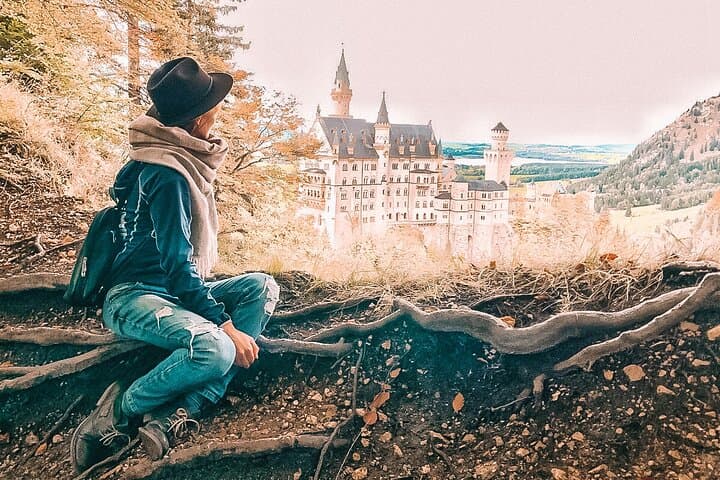
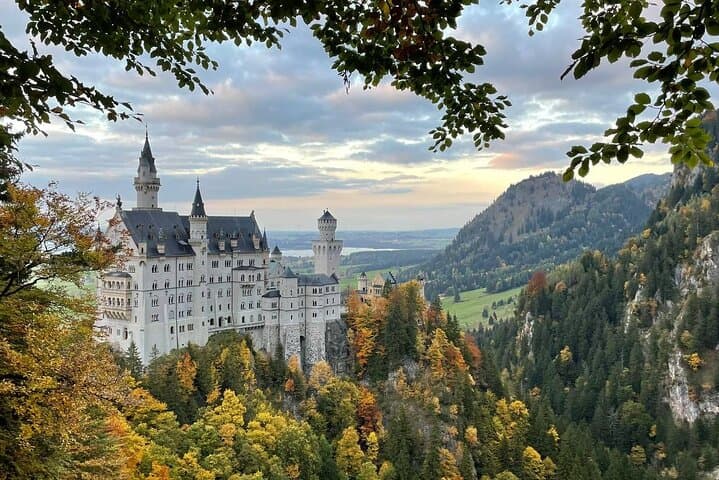
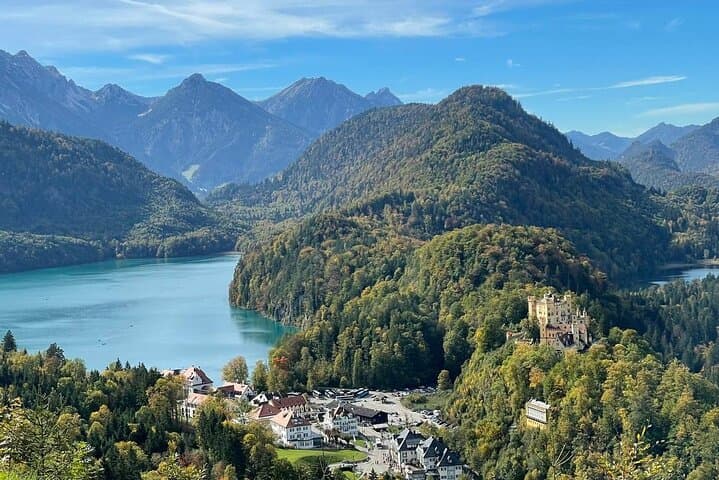
The tour centers on Neuschwanstein, King Ludwig II’s 19th-century fantasy of turrets and theatrical interiors built as an escape from public life. Geologically, the route moves from Tyrolean crystalline rock into the softer limestone valleys of Bavaria — a shift you feel underfoot at riverside stops. Cultural details arrive in fragments: Bavarian brewery culture for a late meal, the echo of royal patronage in Hohenschwangau, and the modern logistics of mass tourism — timed castle entries, buses, and seasonal bridge closures.
Practically, expect 6–8 hours with multiple short stops: a panoramic halt near Zugspitze and Blindsee, the option to cross Highline179, and a 20–30 minute walk to viewpoints or a 30-minute uphill approach to the castle entrance. Tickets for Neuschwanstein and optional sites are paid on-site; advance booking through the operator helps but is not guaranteed for late bookings.
Bring layered clothing, sturdy shoes for icy winter approaches, and cash for castle admissions and optional cable cars. Mobility-accessible options exist but can require extra time and effort. The day balances cinematic scenery with the realities of alpine weather and crowds — a short, intense window into Bavaria’s alpine heart.
easy.
6–8 hours.
Light fitness required: able to walk 20–40 minutes uphill and stand during viewpoint visits; suitable for most travelers.
No; tickets are paid on-site in cash. The operator can reserve tickets in advance but cannot guarantee availability if booked late.
Yes. This tour crosses the Austria–Germany border; bring valid travel documents (and visas if required).
You can take a shuttle bus or horse-drawn carriage (both paid locally) to reduce walking, but shuttle drop-offs may still require short uphill walks.
Yes with caveats: Mary’s Bridge is often closed, some paths are snowy or icy, and cable cars may be suspended in poor weather—dress appropriately and allow extra time.
Neuschwanstein was begun by Ludwig II in the late 19th century as a private romanticized retreat inspired by medieval architecture and Wagnerian aesthetics.
High visitation requires strict visitor management; stick to marked paths, pack out litter, and respect seasonal closures to protect fragile alpine vegetation.
Anna Tirol operates guided outdoor trips and adventures with an emphasis on safety, stewardship, and memorable experiences.
You leave Innsbruck before morning light and the road climbs, trading city roofs for serrated ridgelines. The vehicle threads Alpine hairpins and the windows frame glaciers and green bowls; occasionally the Zugspitze juts into view while Blindsee’s glassy surface dares you to pause for a photograph.
You leave Innsbruck before morning light and the road climbs, trading city roofs for serrated ridgelines. The vehicle threads Alpine hairpins and the windows frame glaciers and green bowls; occasionally the Zugspitze juts into view while Blindsee’s glassy surface dares you to pause for a photograph.
The tour centers on Neuschwanstein, King Ludwig II’s 19th-century fantasy of turrets and theatrical interiors built as an escape from public life. Geologically, the route moves from Tyrolean crystalline rock into the softer limestone valleys of Bavaria — a shift you feel underfoot at riverside stops. Cultural details arrive in fragments: Bavarian brewery culture for a late meal, the echo of royal patronage in Hohenschwangau, and the modern logistics of mass tourism — timed castle entries, buses, and seasonal bridge closures.
Practically, expect 6–8 hours with multiple short stops: a panoramic halt near Zugspitze and Blindsee, the option to cross Highline179, and a 20–30 minute walk to viewpoints or a 30-minute uphill approach to the castle entrance. Tickets for Neuschwanstein and optional sites are paid on-site; advance booking through the operator helps but is not guaranteed for late bookings.
Bring layered clothing, sturdy shoes for icy winter approaches, and cash for castle admissions and optional cable cars. Mobility-accessible options exist but can require extra time and effort. The day balances cinematic scenery with the realities of alpine weather and crowds — a short, intense window into Bavaria’s alpine heart.