THE ADVENTURE COLLECTIVE® · Independent discovery and booking for outdoor travel

A full-day cross-border drive from Ohrid to Albania that links Lake Ohrid, Pogradec, Korça and the quiet Prespa shore at Pustec. Expect lakeside viewpoints, small-town architecture and a village lunch, with border formalities between Macedonia and Albania.
A full-day cross-border drive from Ohrid to Albania that links Lake Ohrid, Pogradec, Korça and the quiet Prespa shore at Pustec. Expect lakeside viewpoints, small-town architecture and a village lunch, with border formalities between Macedonia and Albania.
You step into a morning that smells of cold water and warmed asphalt — the road unspools south from Ohrid, Lake Ohrid on one side, mountains on the other. The guide eases the minivan toward the border; in the rearview the two lakes split the sky, each pushing its own quiet. Pogradec appears first: a compact Albanian lakeside town where cafés press to the promenade and the water dares you closer.
Verified experiences and guided adventures in the surrounding area.
Operated by Experience Balkan · Ohrid, Ohrid Municipality
You step into a morning that smells of cold water and warmed asphalt — the road unspools south from Ohrid, Lake Ohrid on one side, mountains on the other. The guide eases the minivan toward the border; in the rearview the two lakes split the sky, each pushing its own quiet. Pogradec appears first: a compact Albanian lakeside town where cafés press to the promenade and the water dares you closer.
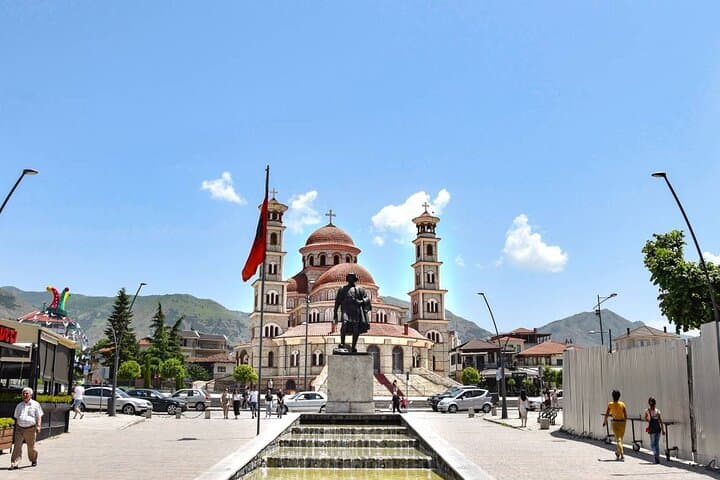
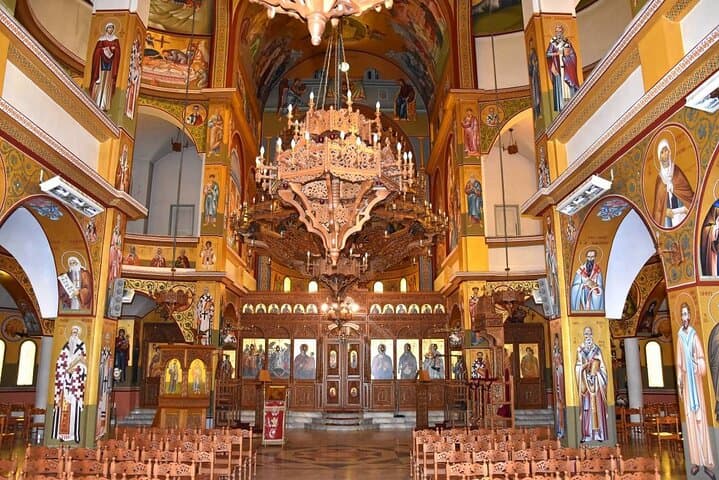
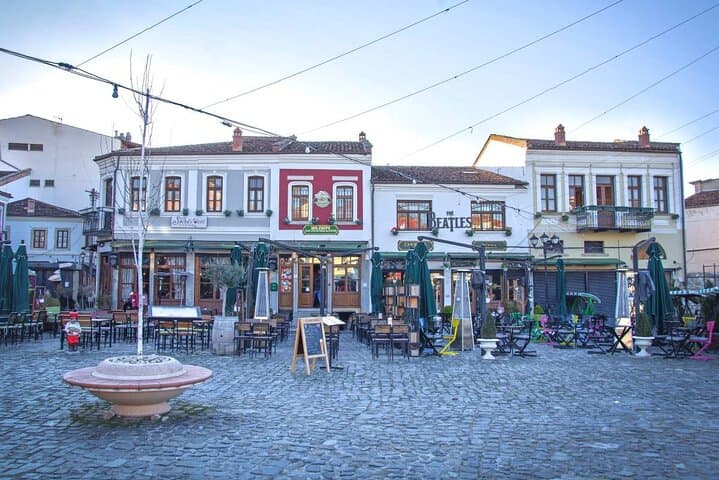
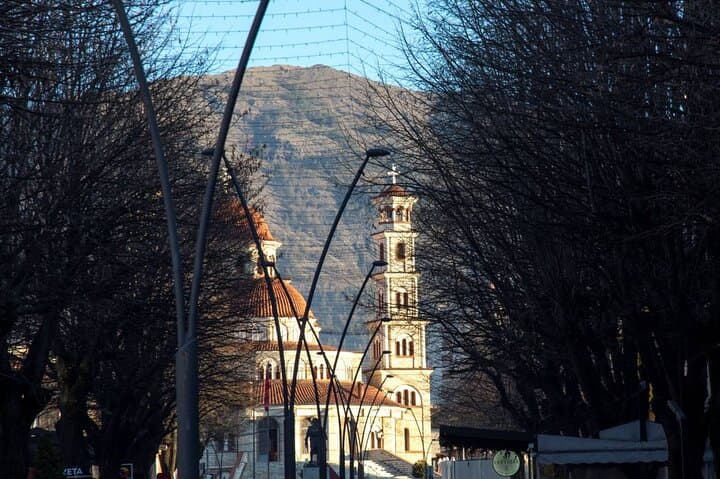
The route tracks centuries of shifting frontiers. Korça offers Ottoman-era architecture, later Austro-Hungarian influence and a civic pride visible in its central square and Orthodox churches. Pustec and the Prespa shore feel older still — villages that resisted rapid development and keep stone houses, reed fringes and fields where shepherds still move with the seasons.
Geology here is readable: karst ridges feed twin basins, water held in deep basins carved by ice and fault. Birdlife follows the shallows; in the parklands you’ll encounter reedbeds and small coves that remember quieter tides of trade and migration.
Practically: this is a long day of border formalities, short walks, viewpoints and a lakeside lunch in a village like Zrnosko. Dress in layers, expect some unpaved village streets, and carry cash for small purchases. Be prepared to show passports and any necessary visas at the border; timings depend on customs. The tour is crafted for travelers who want a cultural sweep of two lakes in one efficient, scenic day — equal parts landscape and history, with practical stops to stretch legs and taste local food.
moderate.
9–10 hours.
Suitable for travelers with average fitness; mostly short walks and standing at viewpoints with long periods in a vehicle
Visa requirements depend on your nationality; confirm with your embassy before travel and carry any needed documents—border procedures are part of the tour.
Lunch in a village like Zrnosko is usually arranged but specifics vary; check the tour details or ask the operator about included meals and dietary needs.
Walking is light to moderate—short strolls around towns, viewpoints and museum stops rather than long hikes; comfortable shoes are recommended.
The tour runs in most weather conditions but dress accordingly; severe weather or border restrictions can affect the itinerary and timing.
The route crosses regions shaped by Ottoman governance, Balkan nation-building and 20th-century border adjustments; Korça developed as a regional cultural and educational center.
Prespa and Galichica are part of transboundary conservation efforts; visitors should stick to marked viewpoints and avoid disturbing reedbeds and nesting birds.
Experience Balkan operates guided outdoor trips and adventures with an emphasis on safety, stewardship, and memorable experiences.
You step into a morning that smells of cold water and warmed asphalt — the road unspools south from Ohrid, Lake Ohrid on one side, mountains on the other. The guide eases the minivan toward the border; in the rearview the two lakes split the sky, each pushing its own quiet. Pogradec appears first: a compact Albanian lakeside town where cafés press to the promenade and the water dares you closer.
You step into a morning that smells of cold water and warmed asphalt — the road unspools south from Ohrid, Lake Ohrid on one side, mountains on the other. The guide eases the minivan toward the border; in the rearview the two lakes split the sky, each pushing its own quiet. Pogradec appears first: a compact Albanian lakeside town where cafés press to the promenade and the water dares you closer.
The route tracks centuries of shifting frontiers. Korça offers Ottoman-era architecture, later Austro-Hungarian influence and a civic pride visible in its central square and Orthodox churches. Pustec and the Prespa shore feel older still — villages that resisted rapid development and keep stone houses, reed fringes and fields where shepherds still move with the seasons.
Geology here is readable: karst ridges feed twin basins, water held in deep basins carved by ice and fault. Birdlife follows the shallows; in the parklands you’ll encounter reedbeds and small coves that remember quieter tides of trade and migration.
Practically: this is a long day of border formalities, short walks, viewpoints and a lakeside lunch in a village like Zrnosko. Dress in layers, expect some unpaved village streets, and carry cash for small purchases. Be prepared to show passports and any necessary visas at the border; timings depend on customs. The tour is crafted for travelers who want a cultural sweep of two lakes in one efficient, scenic day — equal parts landscape and history, with practical stops to stretch legs and taste local food.