THE ADVENTURE COLLECTIVE® · Independent discovery and booking for outdoor travel

A full-day private chauffeur trip from Singapore that packs Kuala Lumpur’s skyline and Malacca’s colonial streets into one long, immersive day of temples, towers and riverside history. Prepare for a border crossing, tight timing, and rich photographic opportunities.
A full-day private chauffeur trip from Singapore that packs Kuala Lumpur’s skyline and Malacca’s colonial streets into one long, immersive day of temples, towers and riverside history. Prepare for a border crossing, tight timing, and rich photographic opportunities.
You step into an air‑conditioned vehicle before dawn and watch Singapore’s glass towers shrink in the rearview as the driver eases toward the causeway. The road hums; the day stretches long. By midmorning you are at Batu Caves — sunlight prying into limestone chambers where macaques hop among shrines — and later you stand beneath the steel lattice of the Petronas Towers, the city’s vertical pulse.
Verified experiences and guided adventures in the surrounding area.
Operated by Travelvago · Singapore, Singapore
You step into an air‑conditioned vehicle before dawn and watch Singapore’s glass towers shrink in the rearview as the driver eases toward the causeway. The road hums; the day stretches long. By midmorning you are at Batu Caves — sunlight prying into limestone chambers where macaques hop among shrines — and later you stand beneath the steel lattice of the Petronas Towers, the city’s vertical pulse.
Kuala Lumpur grew from tin and teak, its skyline layered with Mughal‑inspired colonial facades and modern high rises. Malacca, a two‑hour drive further south, carries Portuguese bricks and Dutch canals: its UNESCO listing reflects centuries of spice trade, missionary missions, and multicultural neighborhood life. Geologically, the rapid climb to Batu Caves exposes Ordovician limestone formations; culturally, the region folds Malay, Chinese, Indian, and Eurasian stories into food, festivals and architecture.
Expect bustling plazas, narrow temple stairways, and a riverside in Malacca where boats and tideline trade whisper the city’s mercantile past. The rhythm of the day is brisk — photographic stops, short walks, and time‑boxed monuments — so plan for mobility and quick transitions.
Practical guidance: carry valid travel documents and vaccine proof for cross‑border entry, bring local currency for small purchases, wear breathable shoes for temple steps and uneven pathways, and hydrate — tropical heat can sap energy fast. Schedule permits little slack: prioritize what you want to see, and treat the trip as an intensive cultural sprint rather than a relaxed overnight. With preparation, this long day delivers dense history, dramatic urban contrasts, and a compact tour of two of Peninsular Malaysia’s most compelling cities.
challenging.
10–12 hours (up to 24 hours in heavy traffic).
Moderate fitness; you should be able to move quickly between stops, climb short staircases (e.g., Batu Caves) and endure a long day seated in transit.
Yes — all travelers must present passports and any required visas; Malaysian entry requirements depend on nationality, so check ahead and carry vaccine certificates if requested.
Expect about 4–5 hours to Kuala Lumpur (including border time) and another 2–2.5 hours to Malacca; traffic and immigration checks can extend these times.
The itinerary lists breakfast, lunch and dinner inclusions, but you should still carry snacks and water for flexibility between scheduled stops.
The tour involves stairs (Batu Caves) and walking on uneven surfaces; it’s not recommended for travelers with serious spinal, heart or mobility conditions.
Malacca was a strategic 15th‑century port that later fell under Portuguese, Dutch and British influence; Kuala Lumpur’s modern growth traces back to 19th‑century tin mining and colonial administration.
High visitor volumes strain historic streets and limestone sites; stick to marked paths, avoid feeding wildlife, and minimize single‑use plastics to reduce local impact.
Travelvago operates guided outdoor trips and adventures with an emphasis on safety, stewardship, and memorable experiences.
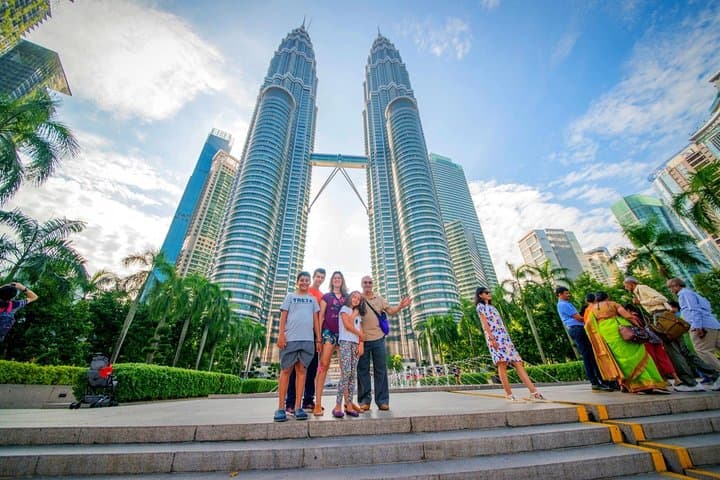
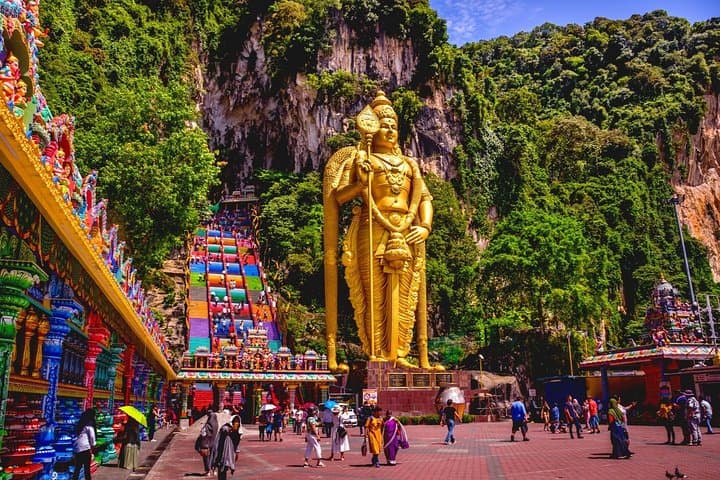
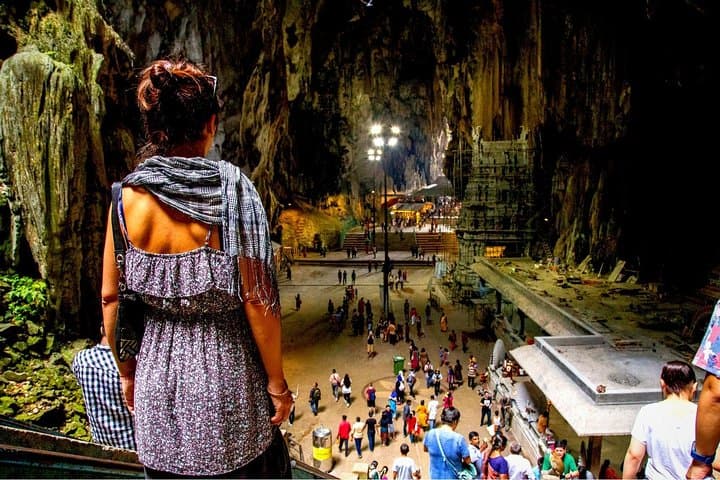
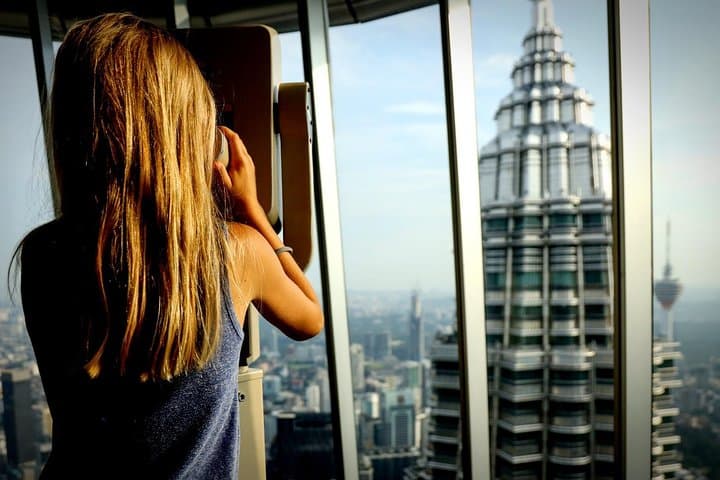
You step into an air‑conditioned vehicle before dawn and watch Singapore’s glass towers shrink in the rearview as the driver eases toward the causeway. The road hums; the day stretches long. By midmorning you are at Batu Caves — sunlight prying into limestone chambers where macaques hop among shrines — and later you stand beneath the steel lattice of the Petronas Towers, the city’s vertical pulse.
You step into an air‑conditioned vehicle before dawn and watch Singapore’s glass towers shrink in the rearview as the driver eases toward the causeway. The road hums; the day stretches long. By midmorning you are at Batu Caves — sunlight prying into limestone chambers where macaques hop among shrines — and later you stand beneath the steel lattice of the Petronas Towers, the city’s vertical pulse.
Kuala Lumpur grew from tin and teak, its skyline layered with Mughal‑inspired colonial facades and modern high rises. Malacca, a two‑hour drive further south, carries Portuguese bricks and Dutch canals: its UNESCO listing reflects centuries of spice trade, missionary missions, and multicultural neighborhood life. Geologically, the rapid climb to Batu Caves exposes Ordovician limestone formations; culturally, the region folds Malay, Chinese, Indian, and Eurasian stories into food, festivals and architecture.
Expect bustling plazas, narrow temple stairways, and a riverside in Malacca where boats and tideline trade whisper the city’s mercantile past. The rhythm of the day is brisk — photographic stops, short walks, and time‑boxed monuments — so plan for mobility and quick transitions.
Practical guidance: carry valid travel documents and vaccine proof for cross‑border entry, bring local currency for small purchases, wear breathable shoes for temple steps and uneven pathways, and hydrate — tropical heat can sap energy fast. Schedule permits little slack: prioritize what you want to see, and treat the trip as an intensive cultural sprint rather than a relaxed overnight. With preparation, this long day delivers dense history, dramatic urban contrasts, and a compact tour of two of Peninsular Malaysia’s most compelling cities.