THE ADVENTURE COLLECTIVE® · Independent discovery and booking for outdoor travel

Cross the San Ysidro border to shop a bustling Mexican market, learn knife and ceviche technique, and share the meal you prepare. This four-hour hands-on tour blends coastal culinary history with practical, market-to-table instruction.
Cross the San Ysidro border to shop a bustling Mexican market, learn knife and ceviche technique, and share the meal you prepare. This four-hour hands-on tour blends coastal culinary history with practical, market-to-table instruction.
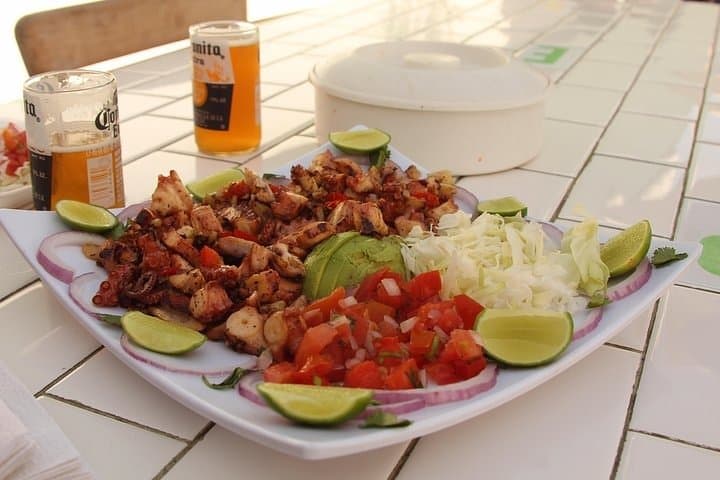
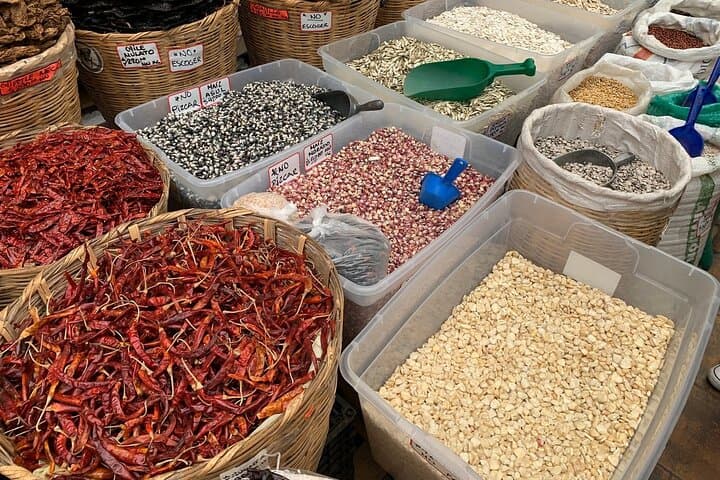
You meet at the San Ysidro crossing as morning light slants across the pavement, then step into a world where seafood counters call your name and stalls stack chiles and citrus like tools of a trade. The rhythm here is brisk: vendors shout, fishermen haul the day’s catch, and the market becomes your classroom before the knives, tostadas and citrus take over.
Verified experiences and guided adventures in the surrounding area.
Operated by Border Tours · San Diego, California
You meet at the San Ysidro crossing as morning light slants across the pavement, then step into a world where seafood counters call your name and stalls stack chiles and citrus like tools of a trade. The rhythm here is brisk: vendors shout, fishermen haul the day’s catch, and the market becomes your classroom before the knives, tostadas and citrus take over.
This tour traces the practical history of Baja coastal cooking—ceviche’s simple chemistry of acid and fish comes from the Pacific coast, while tacos and salsas reflect Spanish, Indigenous and coastal fishing traditions. Geology matters here: ocean-borne currents shape the fish varieties on offer and the local salt—tiny details that change texture and flavor when you squeeze lime into a ceviche bowl.
Culturally, the lesson is communal; families buy whole fish, tortillas are still pressed by hand at neighborhood tortillerías, and the market’s pace educates your timing in the kitchen. Expect hands-on prep: you shop for ingredients with guidance, then learn knife technique, acid balance for ceviche, and simple plating.
Practical guidance: bring a valid passport, wear closed-toe shoes for market lanes, and budget four hours for border crossing, shopping, instruction and a shared meal. Hydrate before you go and leave room for spice—the salsas will be assertive. This is as much about flavor as it is about moving through a working food economy; be ready to taste, learn, and carry home techniques you can repeat in your own kitchen.
easy.
4 hours.
Moderate—requires walking through busy market aisles and standing during food prep for several hours
Yes—this experience crosses the U.S.–Mexico border, so a valid passport or approved travel document is required.
Yes—ingredients are purchased during the market visit and included as part of the hands-on cooking and meal.
Expect moderate walking through market aisles and standing for several hours during shopping and cooking; comfortable shoes are recommended.
Most operators can accommodate common dietary needs if notified in advance—use the booking’s special requirements field to specify allergies or preferences.
Ceviche and many Baja coastal dishes trace back to Indigenous and Afro-Pacific fish preservation methods, adapted by Spanish influence into the street foods common today.
Opting for sustainably caught seafood and reducing single-use plastics supports local fishery health and the market’s long-term viability.
Border Tours operates guided outdoor trips and adventures with an emphasis on safety, stewardship, and memorable experiences.
You meet at the San Ysidro crossing as morning light slants across the pavement, then step into a world where seafood counters call your name and stalls stack chiles and citrus like tools of a trade. The rhythm here is brisk: vendors shout, fishermen haul the day’s catch, and the market becomes your classroom before the knives, tostadas and citrus take over.
You meet at the San Ysidro crossing as morning light slants across the pavement, then step into a world where seafood counters call your name and stalls stack chiles and citrus like tools of a trade. The rhythm here is brisk: vendors shout, fishermen haul the day’s catch, and the market becomes your classroom before the knives, tostadas and citrus take over.
This tour traces the practical history of Baja coastal cooking—ceviche’s simple chemistry of acid and fish comes from the Pacific coast, while tacos and salsas reflect Spanish, Indigenous and coastal fishing traditions. Geology matters here: ocean-borne currents shape the fish varieties on offer and the local salt—tiny details that change texture and flavor when you squeeze lime into a ceviche bowl.
Culturally, the lesson is communal; families buy whole fish, tortillas are still pressed by hand at neighborhood tortillerías, and the market’s pace educates your timing in the kitchen. Expect hands-on prep: you shop for ingredients with guidance, then learn knife technique, acid balance for ceviche, and simple plating.
Practical guidance: bring a valid passport, wear closed-toe shoes for market lanes, and budget four hours for border crossing, shopping, instruction and a shared meal. Hydrate before you go and leave room for spice—the salsas will be assertive. This is as much about flavor as it is about moving through a working food economy; be ready to taste, learn, and carry home techniques you can repeat in your own kitchen.