THE ADVENTURE COLLECTIVE® · Independent discovery and booking for outdoor travel

Three days that trade between high-adrenaline close encounters with Nile crocodiles and slow, sunlit wine tastings on the Cape Peninsula. Expect dramatic coastal drives, penguin colonies, and guided cellar tours paired with practical day-by-day logistics.
Three days that trade between high-adrenaline close encounters with Nile crocodiles and slow, sunlit wine tastings on the Cape Peninsula. Expect dramatic coastal drives, penguin colonies, and guided cellar tours paired with practical day-by-day logistics.
The day opens with salt and wind: the Atlantic pushes at the cliffs while the road curls like a ribbon along Chapman’s Peak. You move from high coastal light to a quieter inland valley where vineyards hold the late-afternoon sun. Between those extremes lies one unmistakable pulse—adrenaline in a steel cage, submerged among adult Nile crocodiles, then the slow, cultured rhythm of cellar tastings.
Verified experiences and guided adventures in the surrounding area.
Operated by Matadi Africa And Travel Tours · Cape Town, Western Cape
The day opens with salt and wind: the Atlantic pushes at the cliffs while the road curls like a ribbon along Chapman’s Peak. You move from high coastal light to a quieter inland valley where vineyards hold the late-afternoon sun. Between those extremes lies one unmistakable pulse—adrenaline in a steel cage, submerged among adult Nile crocodiles, then the slow, cultured rhythm of cellar tastings.
This three-day loop threads through the Cape Peninsula’s layered geology—Cape granite and Table Mountain sandstone shaped by ocean and time—and the cultural imprint of Huguenot settlers who planted vines in Franschhoek and Stellenbosch two centuries ago. Simon’s Town offers encounters with African penguins; Cape Point marks where two great oceans seem to argue with one another. The crocodile encounter itself takes place in a managed pond with decades of South African reptile-handling experience, combining close observation with strict safety protocols.
Practical notes: the croc cage includes a safety briefing and basic diving equipment; expect about 20 minutes inside the water habitat per dive. Daily peninsula drives require long stretches in a vehicle and short walks to viewpoints; wine visits include cellar tours and tastings that can be 45–90 minutes each.
Pack layers for wind and sun, bring a small waterproof camera or housing, and plan your wine tastings around the croc day—adrenaline and alcohol don’t pair well. Allow buffer time for traffic on the peninsula and prioritize respectful wildlife viewing: keep distance from penguins and do not feed animals. With sensible planning, this mix of thrill, coastline, and wine becomes a vivid, rounded Cape experience.
moderate.
3 days (approx. 18–20 hours total).
Light to moderate fitness required: able to board vehicles, manage short walks and steps, and enter/exit the crocodile cage with assistance.
The experience is supervised by trained staff with a solid safety briefing; the cage and equipment are designed to keep guests separated from the animals while allowing close observation.
Operators typically allow ages 9 and up for the crocodile cage dive; parents should check specific medical or consent requirements when booking.
It’s advisable to separate high-adrenaline activities and alcohol—plan tastings on a different day or later in the itinerary after the croc experience to stay alert and safe.
Transport, entrance fees for listed sites, and scheduled tastings are usually included; bring sun protection, sturdy shoes, swimwear, and any personal medications or motion-sickness remedies.
The Cape of Good Hope has been a maritime landmark since the Age of Sail; Stellenbosch and Franschhoek retain strong Huguenot wine-making traditions introduced in the 17th–18th centuries.
Boulders Beach penguin colony is managed to limit disturbance—stay on boardwalks and avoid flash photography; the crocodile facility operates within regulated welfare and monitoring frameworks, and visitors are asked to minimize single-use plastics.
Matadi Africa And Travel Tours operates guided outdoor trips and adventures with an emphasis on safety, stewardship, and memorable experiences.


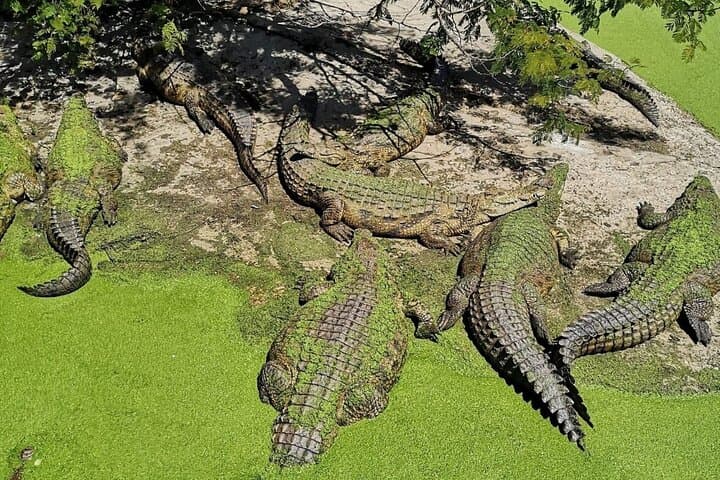

The day opens with salt and wind: the Atlantic pushes at the cliffs while the road curls like a ribbon along Chapman’s Peak. You move from high coastal light to a quieter inland valley where vineyards hold the late-afternoon sun. Between those extremes lies one unmistakable pulse—adrenaline in a steel cage, submerged among adult Nile crocodiles, then the slow, cultured rhythm of cellar tastings.
The day opens with salt and wind: the Atlantic pushes at the cliffs while the road curls like a ribbon along Chapman’s Peak. You move from high coastal light to a quieter inland valley where vineyards hold the late-afternoon sun. Between those extremes lies one unmistakable pulse—adrenaline in a steel cage, submerged among adult Nile crocodiles, then the slow, cultured rhythm of cellar tastings.
This three-day loop threads through the Cape Peninsula’s layered geology—Cape granite and Table Mountain sandstone shaped by ocean and time—and the cultural imprint of Huguenot settlers who planted vines in Franschhoek and Stellenbosch two centuries ago. Simon’s Town offers encounters with African penguins; Cape Point marks where two great oceans seem to argue with one another. The crocodile encounter itself takes place in a managed pond with decades of South African reptile-handling experience, combining close observation with strict safety protocols.
Practical notes: the croc cage includes a safety briefing and basic diving equipment; expect about 20 minutes inside the water habitat per dive. Daily peninsula drives require long stretches in a vehicle and short walks to viewpoints; wine visits include cellar tours and tastings that can be 45–90 minutes each.
Pack layers for wind and sun, bring a small waterproof camera or housing, and plan your wine tastings around the croc day—adrenaline and alcohol don’t pair well. Allow buffer time for traffic on the peninsula and prioritize respectful wildlife viewing: keep distance from penguins and do not feed animals. With sensible planning, this mix of thrill, coastline, and wine becomes a vivid, rounded Cape experience.